
Free in-home measure and quote - PGT, CGI and CWS impact lines compared on your actual openings, style by style
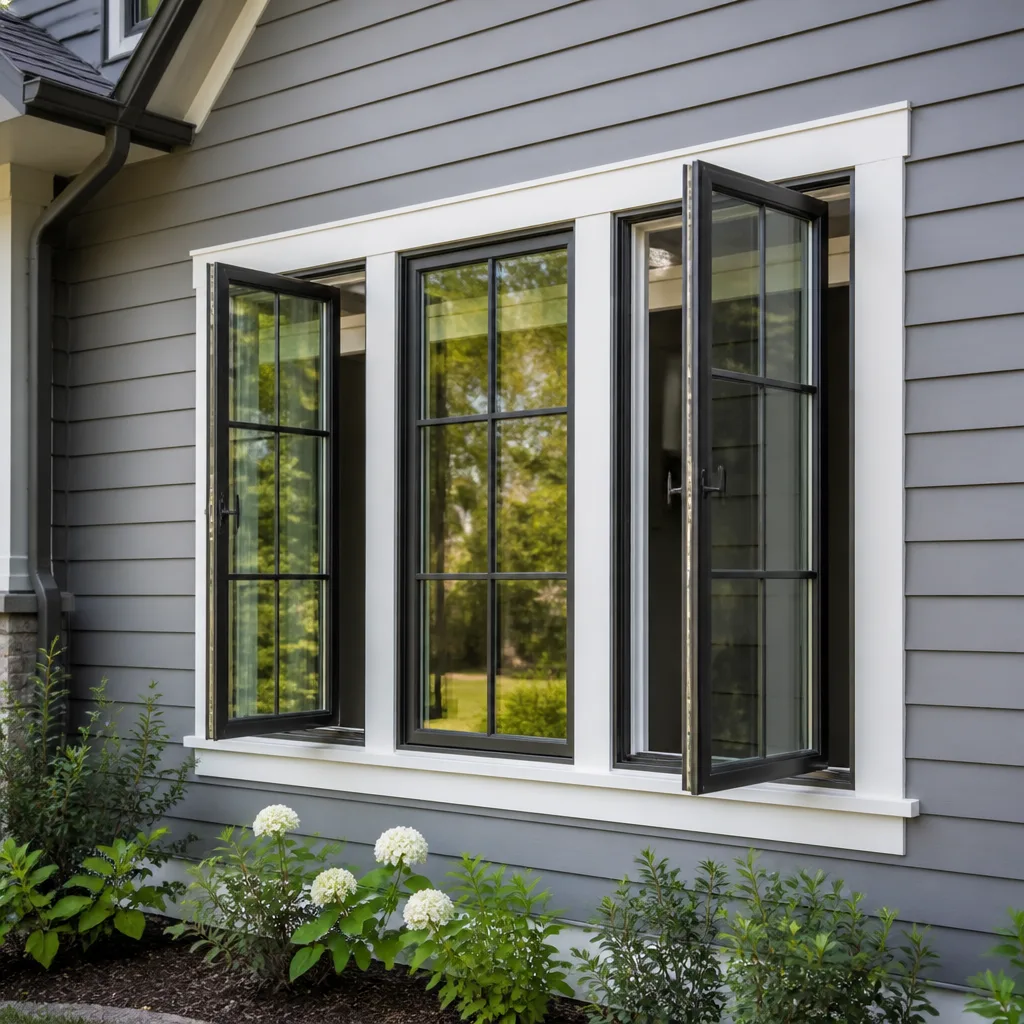
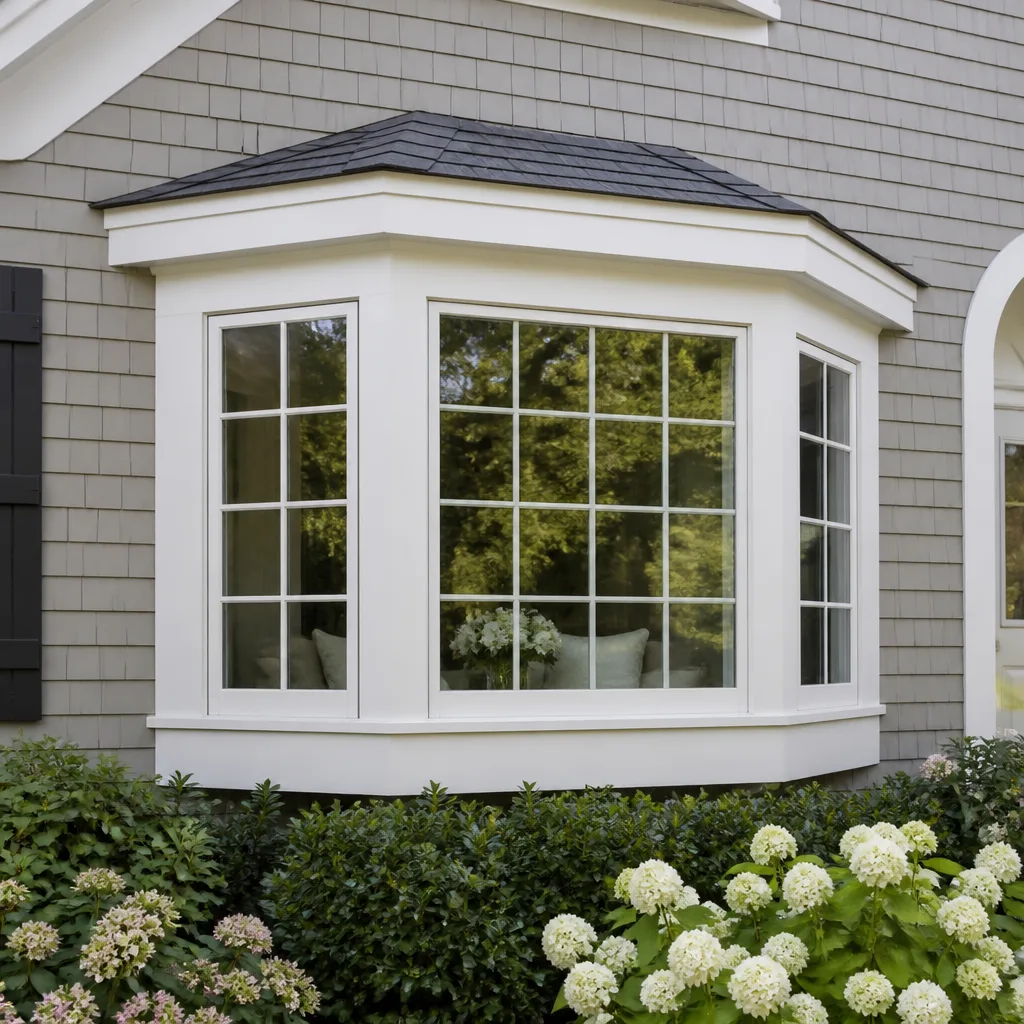
Sliding glass doors
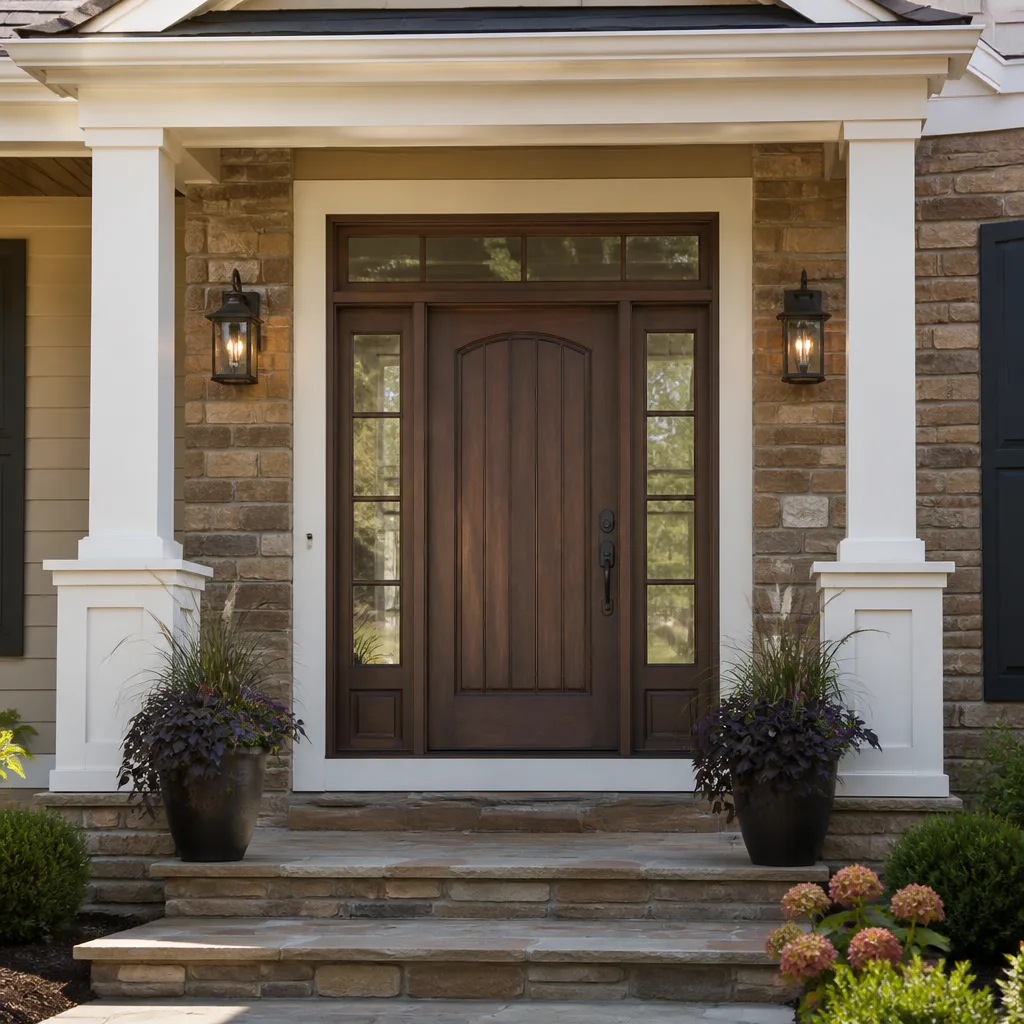
Impact garage doorsPGTCGI
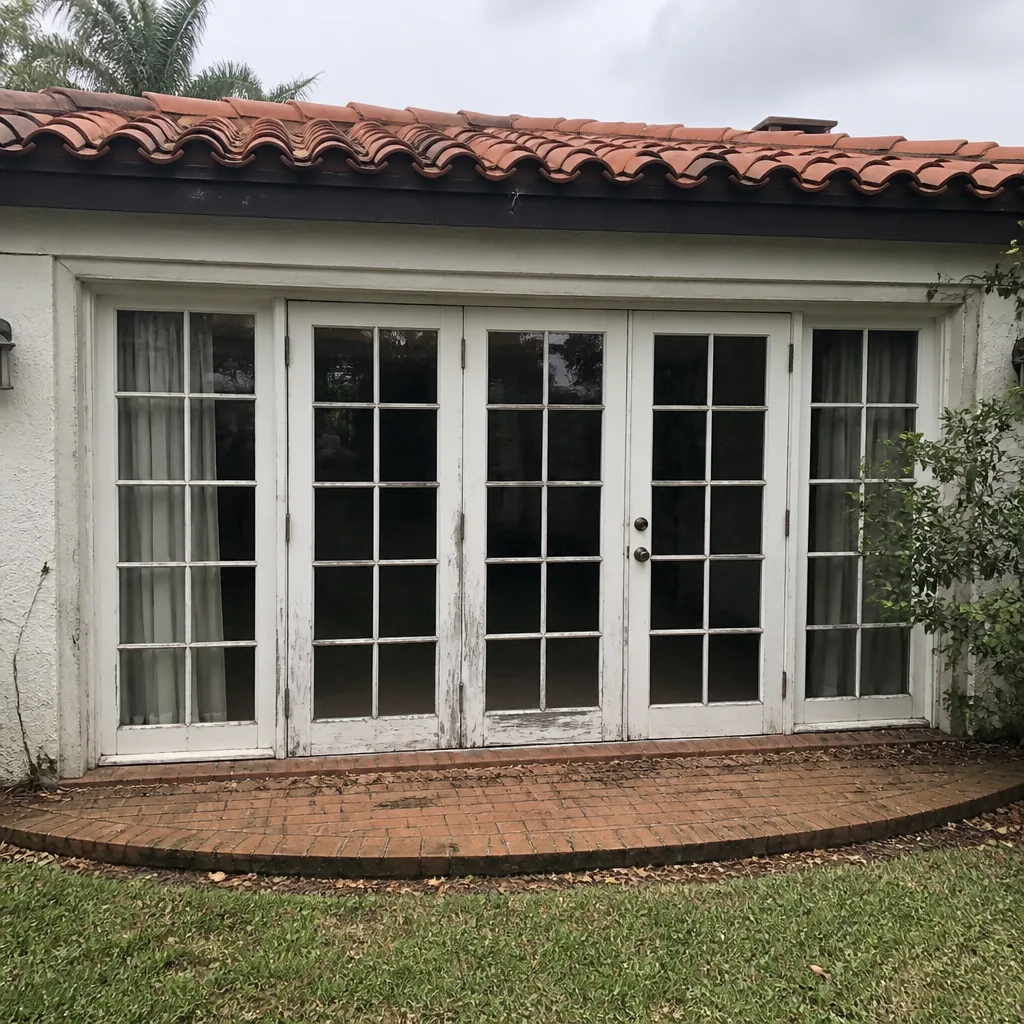 Before
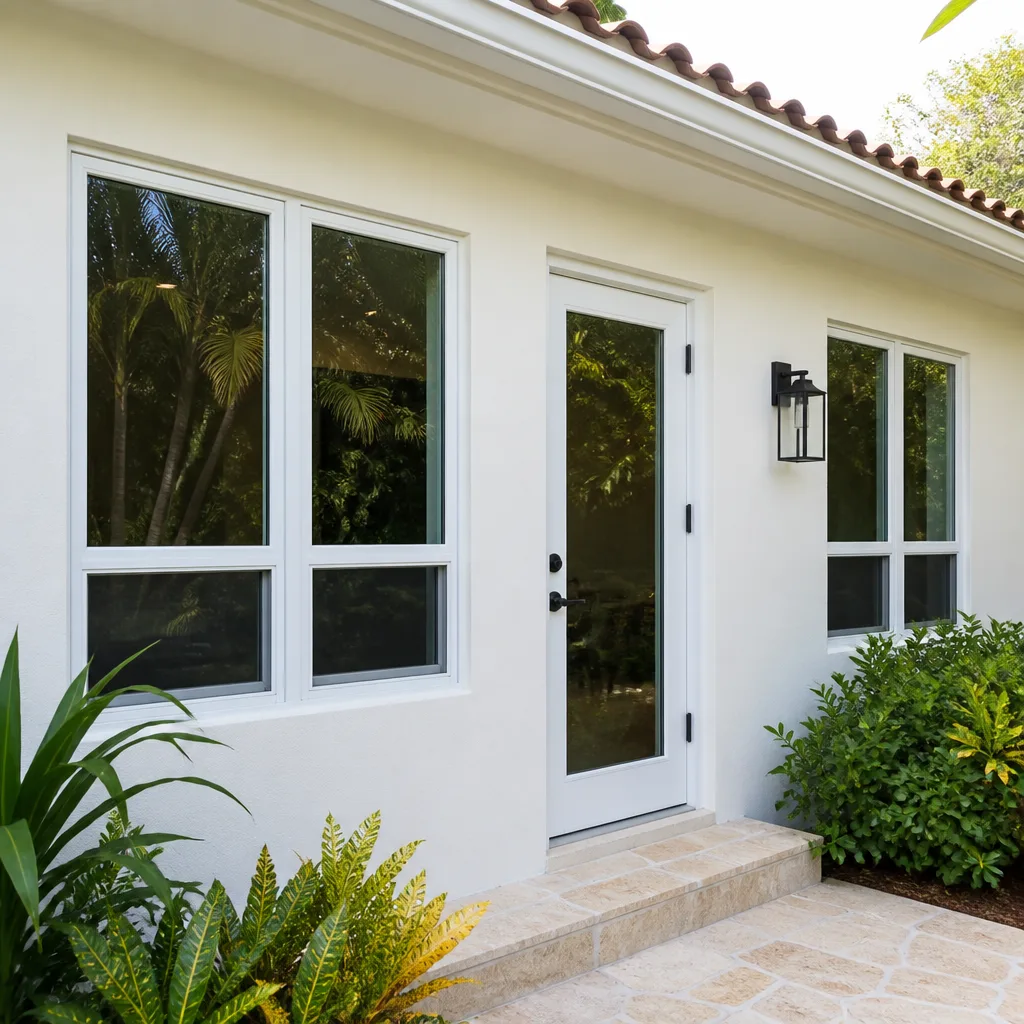 After
After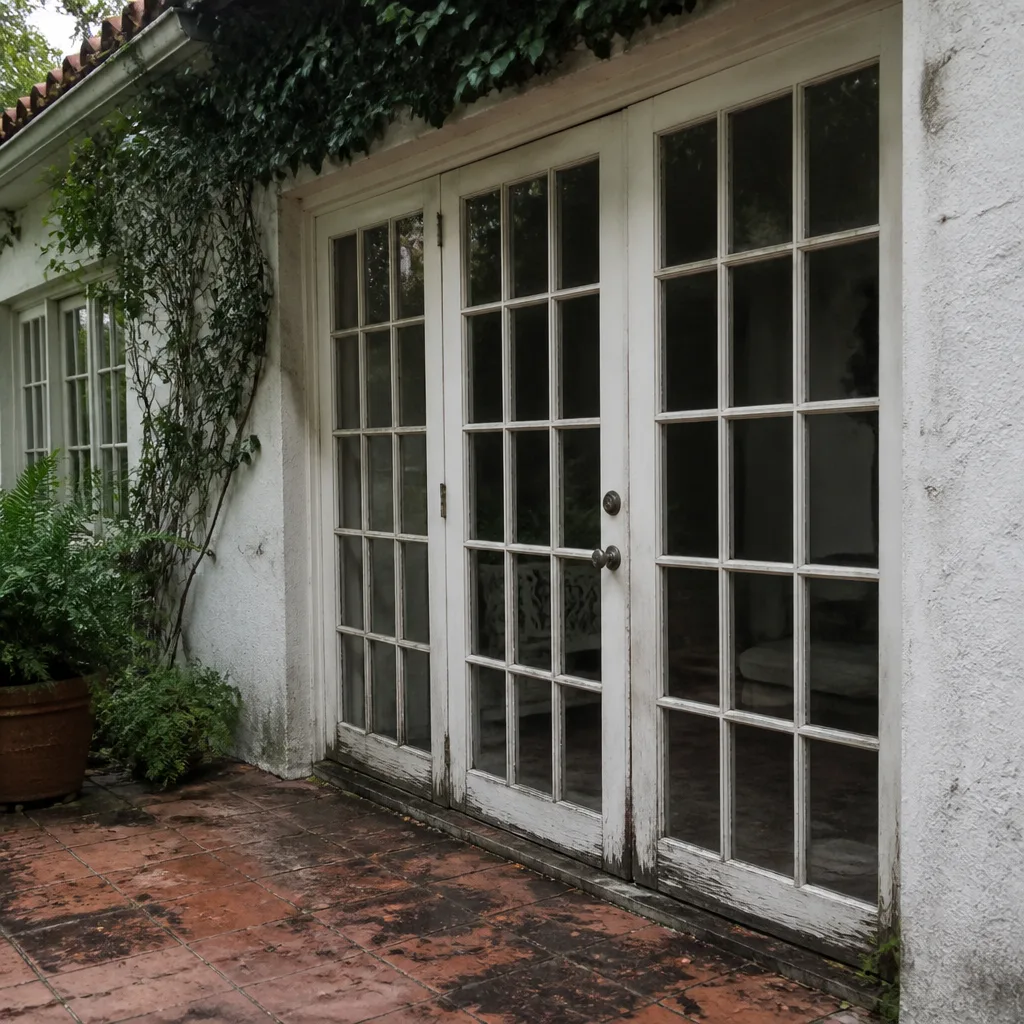 Before
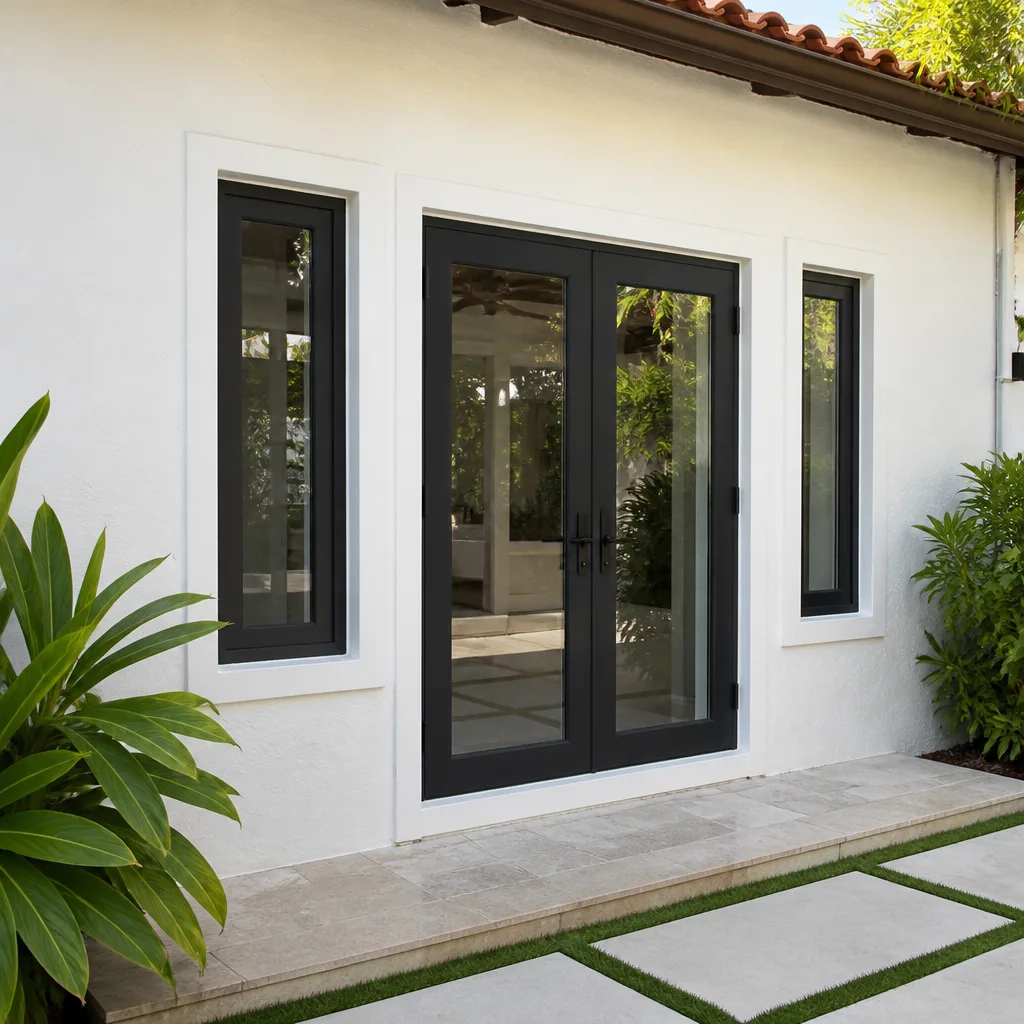 After
After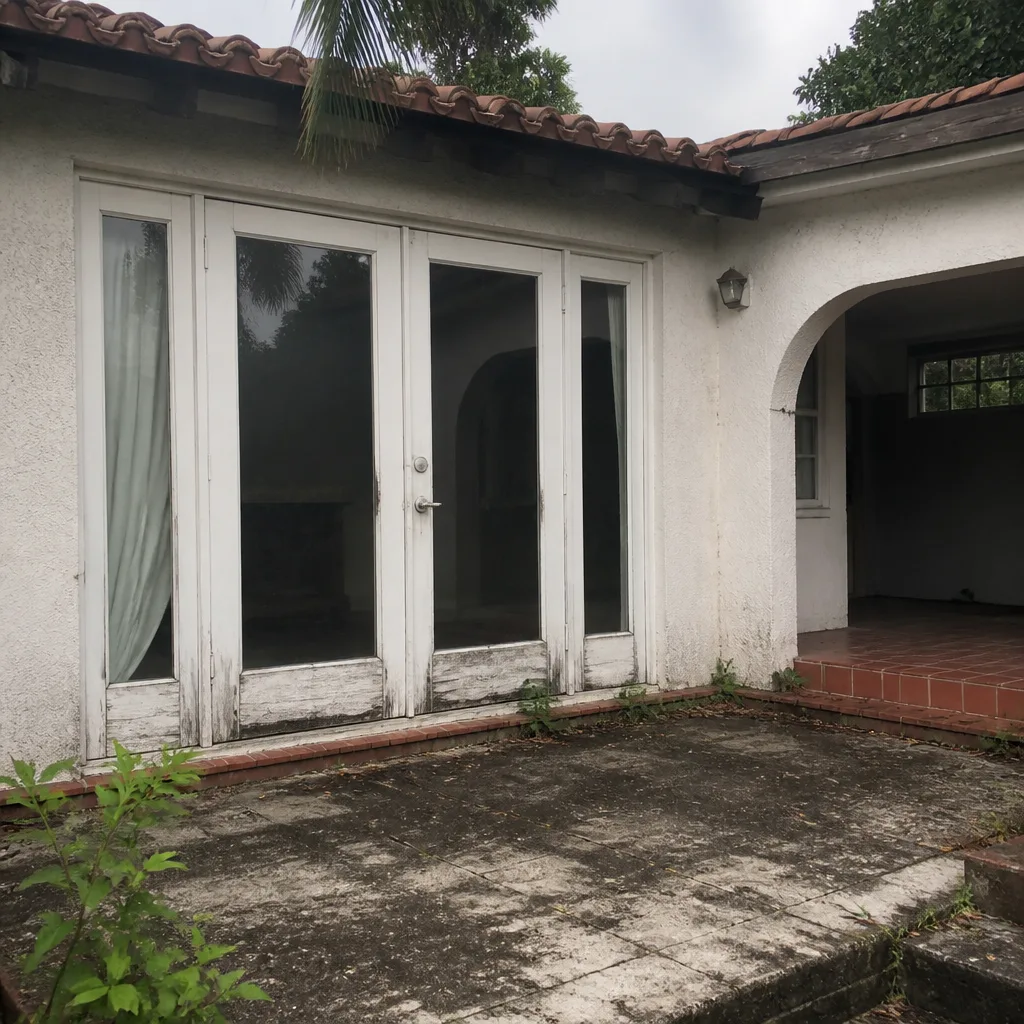 Before
 After
AfterYes, New Windows Save Energy in Coral Gables - But the Numbers Change Drastically Depending on Your House and Your Glass Package
Yes, new windows save energy. In Coral Gables specifically, most homeowners see a 15% to 30% drop in cooling costs after replacing original 1920s-1940s windows with properly rated units - provided the glass package, frame material, and installation are matched to Miami-Dade’s High-Velocity Hurricane Zone requirements. But the honest answer is more complicated than a percentage: how much you save depends on what’s in your openings right now, which direction your walls face, and whether the old windows are actually the weakest point in your wall assembly. If you’d like a straight read on your own house, call (954) 507-3613 and we’ll walk through it.
What Actually Drives Energy Loss in a Coral Gables Window
Most people assume a window leaks energy through the glass. That’s only part of it. In the homes we work on across Coral Gables, the real losses come from four places: the pane itself, the frame, the seal between frame and wall, and the way the window was set relative to the deep masonry reveals common in Mediterranean Revival construction.
These houses were built solid, for the most part. Coral rock, concrete block, and thick stucco walls hold temperature better than wood-frame construction, which means the window opening becomes the path of least resistance for heat gain in the afternoon. The original steel casements and wood windows installed when these homes were built rarely had any meaningful thermal break. Sunload pours through single-pane glass, heats the frame, and radiates into the room. It’s why a west-facing sunroom in the Riviera section can feel like a greenhouse by 2 p.m. in August, even with the air handler running.
New windows don’t eliminate that. But a properly selected unit changes the physics enough that you feel it, and your electric bill shows it.
How Much Can You Actually Expect to Save? Real Numbers, Not Sales Numbers
The Energy Information Administration and Florida building science studies routinely identify windows as a major contributor to cooling load in South Florida homes. But flipping replacement windows into a house that still has uninsulated walls, a 1998 air handler, and attic dust an inch thick won’t move your FPL bill much. Windows fix the window problem. They don’t fix the house.
We tell customers in Coral Gables to think of it this way:
- Original 1920s-1940s wood or steel windows, single pane, no storm panel: Replacing these with new impact-rated insulated glass units typically cuts the window-driven portion of cooling load by roughly half. In practical terms, that’s often a 15% to 25% total reduction on the air conditioning bill.
- 1950s-1970s aluminum windows, single pane, original seals: These leak through the frame as much as the glass. Depending on how many openings you replace, total cooling savings of 10% to 20% are realistic.
- 1990s or later double-pane windows that are fogging or failing: If the seal is gone and the insulating gas has leaked out, you’re paying for a window that’s already dead. Replacement usually restores the original performance, and you may only see a modest 5% to 10% gain - unless you step up to a better glass package.
The biggest variable in Coral Gables is orientation. A row of eight-foot arched windows on a south elevation gets hammered by sun from mid-morning onward. Replacing those with low-e, spectrally selective glass that blocks solar heat without turning the room into a cave will move the meter more than replacing a shaded north-facing side light. We measure and spec accordingly - every opening gets its own look, not one generic package slapped onto the whole house.
Why Coral Gables Windows Are Not Like Windows Anywhere Else in Florida
This is the part most national window websites get wrong, because they’ve never sat through a Board of Architects review. Coral Gables is the only city in South Florida where every exterior window replacement has to satisfy two separate gatekeepers: Miami-Dade County’s High-Velocity Hurricane Zone product approval, and the City of Coral Gables Board of Architects, which enforces the city’s 1920s Mediterranean Revival aesthetic. Standard white vinyl impact windows that are perfectly legal down in Cutler Bay or Kendall are effectively a non-starter here.
Why that matters for energy savings is straightforward: the products that meet HVHZ code and satisfy the Board of Architects are not the mass-market vinyl units you see advertised on billboards. They’re typically aluminum or custom-fabricated windows with marine-grade finishes and narrower profiles, built to replicate the original slender casement look. Aluminum conducts heat far more readily than vinyl, which means the only way you get real energy performance is through a proper thermal break in the frame and the right glass package. Cut corners on either one and you’ve spent Coral Gables money for Miami Gardens performance.
That’s a hard lesson some homeowners learn after the fact. We’ve been called to re-spec jobs where a contractor installed an NOA-certified impact window that met code, passed final inspection, and then got flagged by the Board of Architects for a muntin pattern or frame width that didn’t match the house. The homeowner had two choices: rip out compliant windows or live in a house where nothing was to drawings. A pre-permit architectural review on the front end costs a few days. Re-doing a window package costs thousands.
What to Look For in an Energy-Efficient Window, Specific to Coral Gables
If you’re shopping, don’t get hypnotized by the NFRC sticker alone. The numbers matter, but they only matter in context. Here’s what we look for:
- Low-E coated glass with a low Solar Heat Gain Coefficient. In Coral Gables you want the SHGC down around 0.25 or lower on east and west elevations. North windows can take a little more light. South windows need the biggest reduction.
- A real thermal break in the frame. If the frame is aluminum and the break is an afterthought, the whole assembly underperforms. This is where brands like ES Windows and ECO Window Systems earn their keep - the thermal break is engineered into the extrusion, not bolted on as a marketing feature.
- Marine-grade or anodized finishes. We’re close enough to Biscayne Bay that salt air eats hardware, seals, and finishes. A window that saves you 15% on cooling in year one and corrodes by year four is a bad investment. Coral Gables humidity and salt exposure means you need materials that were selected for coastal service.
- Installation that respects the opening. Those deep masonry reveals in Coral Gables homes aren’t an accident - they shade the glass and reduce heat gain. Setting a window too proud of the wall or stuffing the gap with foam that doesn’t breathe right changes how the assembly performs. Installation only matters on a day when it goes wrong, which is why we measure every opening twice and set every unit to hold plumb through a water test before we call it done.
We quote manufacturer lines side by side on paper - brands like ES Windows, CWS, and ECO Window Systems among them - because a homeowner should see exactly what a premium thermal break costs in dollars, not in adjectives. You shouldn’t have to trust a sales pitch; you should be able to read the spec sheet.
Honest Talk About Payback Periods
If a company tells you new windows pay for themselves in three years, ask to see the math. In a Coral Gables home with original 1930s windows, the energy savings can be substantial - but the full replacement package on a three-bedroom Mediterranean Revival house, done with impact-rated units that pass architectural review, runs well into five figures. The energy savings alone might take eight to twelve years to recover the full cost.
That’s not an argument against replacing windows. It’s an argument for understanding why you’re doing it. Most Coral Gables homeowners we serve are replacing windows because the originals are failing - seals fogged, frames pitted, sashes painted shut for twenty years - not because they have a spreadsheet showing a 4.1-year payback. The energy savings are real and they compound over the life of the window. But if the only reason you’re signing a contract is to cut your FPL bill, you’ll be disappointed. If the reason is that your windows are dead and you’d rather replace them with something that performs, then the efficiency is the bonus that keeps paying.
That’s the way we talk about it. Dale Kessler, our owner, has spent the better part of two decades measuring, setting, and sealing windows across Coral Gables, and he’s known for not moving on to the next job until the one in front of him holds plumb and passes a water test. He grew up near the Miracle Mile watching his father re-glaze storefronts, and he learned early that a window that doesn’t shed water and block heat isn’t much of a window. That’s the founding rule on the whiteboard: if the pane is not true, the job is not done.
Key Takeaways
- New windows in Coral Gables typically cut cooling costs 15% to 30%, with more aggressive savings on west and south elevations.
- Material choice matters more here than in most of Florida because coral rock and masonry construction make window openings the weak point in the wall assembly.
- Coral Gables requires both Miami-Dade HVHZ product approval and Board of Architects approval, and the products that pass both are rarely the cheap vinyl units advertised elsewhere.
- Salt air from Biscayne Bay makes marine-grade finishes and proper thermal breaks essential; inland rules don’t apply here.
- Energy savings alone rarely justify the full replacement cost in fewer than eight years - but replacing failed windows with efficient, properly installed units pays back over time.
- Installation quality determines whether the rated performance ever materializes in your actual house. A bad set can erase a good window’s performance.
If you’re weighing replacement, the most useful thing you can do is find out what’s actually in your openings and what a realistic package would cost. Our Window Installation work in Coral Gables always starts with measurements and a straight conversation, not a pitch. You can also see how our process works by reviewing our Window Installation in Coral Gables page.
FAQs
Yes, new windows lower electric bills in Coral Gables - most homeowners see a 15% to 30% reduction in cooling costs after replacing original single-pane windows from the 1920s through 1940s, with the biggest savings on south and west elevations. The exact amount depends on your current windows’ condition, your wall construction, and whether you install a low-e glass package with a proper thermal break. Call (954) 507-3613 for a straight assessment of your house.
Energy-efficient replacement windows in Coral Gables typically run higher than standard Florida pricing because the city’s Board of Architects requires windows that match the Mediterranean Revival aesthetic, which usually means aluminum or custom-fabricated units rather than vinyl. Most full-home replacements here land in the $25,000 to $60,000 range depending on the number of openings and glass package. For an exact quote on your house, call (954) 507-3613 - estimates are free and we show you manufacturer lines side by side on paper.
The best glass for Coral Gables is low-e coated impact glass with a Solar Heat Gain Coefficient of 0.25 or lower on east and west elevations, set in a frame with a real thermal break. You also need a Miami-Dade Notice of Acceptance on every unit, and the frame finish must hold up to Biscayne Bay salt air. Brands like ES Windows, CWS, and ECO Window Systems offer products that meet both the structural and architectural requirements here.
Window film reduces solar heat gain through the glass, but it doesn’t fix failed seals, warped frames, air leaks around the opening, or the lack of a thermal break in old aluminum frames. In Coral Gables, film can buy you a few degrees of comfort for a few hundred dollars, but it won’t solve the underlying problems in 1920s and 1930s windows. If your windows are structurally sound and the seals are intact, film is a bridge; if they’re failing, replacement is the permanent fix. If you’re not sure which situation you’re in, call (954) 507-3613 and we’ll give you an honest read.
If you’d rather have someone look at your house than keep reading, TruePane Windows & Doors offers a no-pressure assessment in Coral Gables - call (954) 507-3613 and we’ll talk through what you have, what it would cost to fix, and whether it’s worth doing now.
Written by Dale Kessler, Owner, TruePane Windows & Doors at TruePane Windows & Doors, serving Coral Gables, FL.
Six Reasons Homeowners Choose TruePane Windows & Doors
Impact systems engineered to design pressures up to +/-100, matched to your wind zone - your openings hold when the storm arrives.
Low-E insulated impact glass from our manufacturer lines commonly cuts monthly cooling bills 20-30%.
Laminated impact glass shuts out up to 40% of outside noise - traffic, neighbors, weather.
Monitoring services run $30-90 a month. Laminated impact glass resists forced entry around the clock, with no subscription.
Florida homeowners average around 25% savings on the windstorm portion of their policy after protecting every opening - some homes qualify for more.
A full impact package upgrades curb appeal, buyer confidence and appraised value in one project.