
Last updated August 27, 2026
Free in-home measure and quote - PGT, CGI and CWS impact lines compared on your actual openings, style by style
Sliding glass doors
Impact garage doorsPGTCGI
 Before
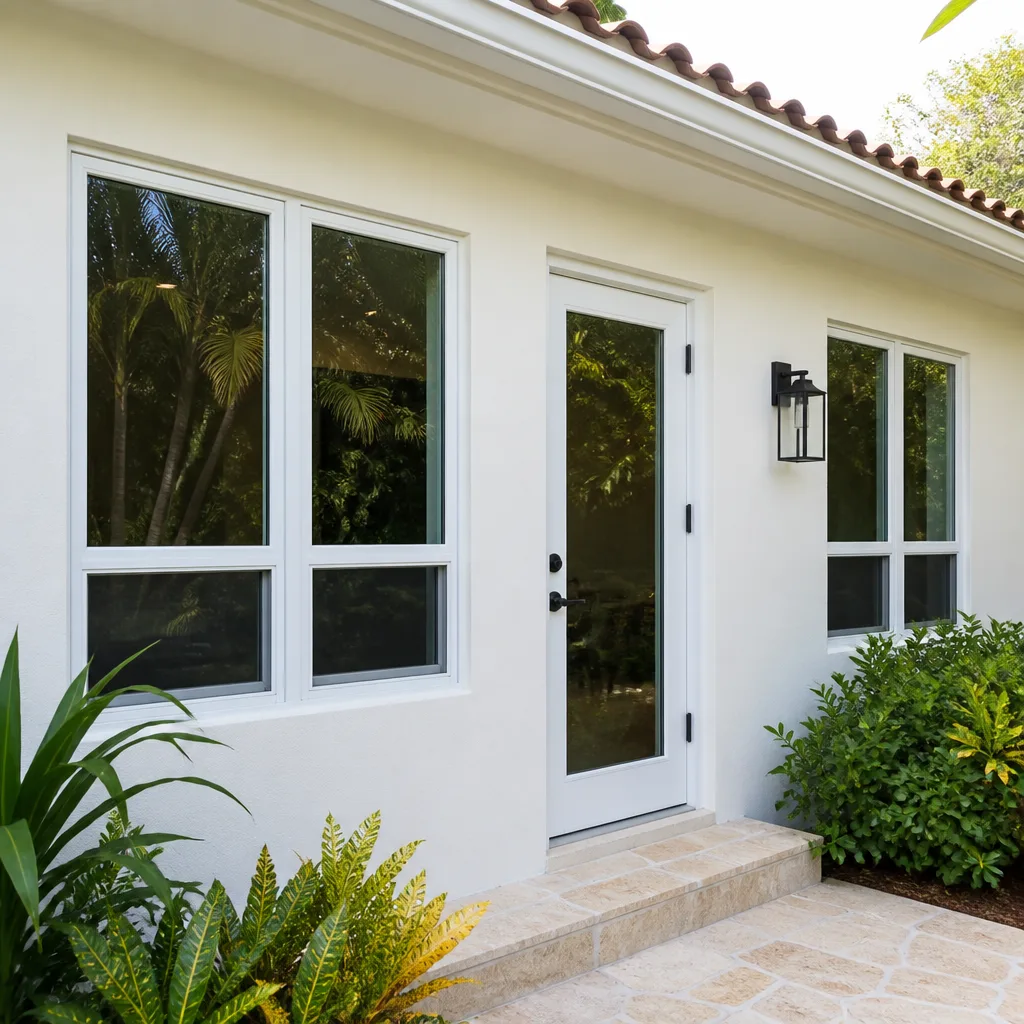 After
After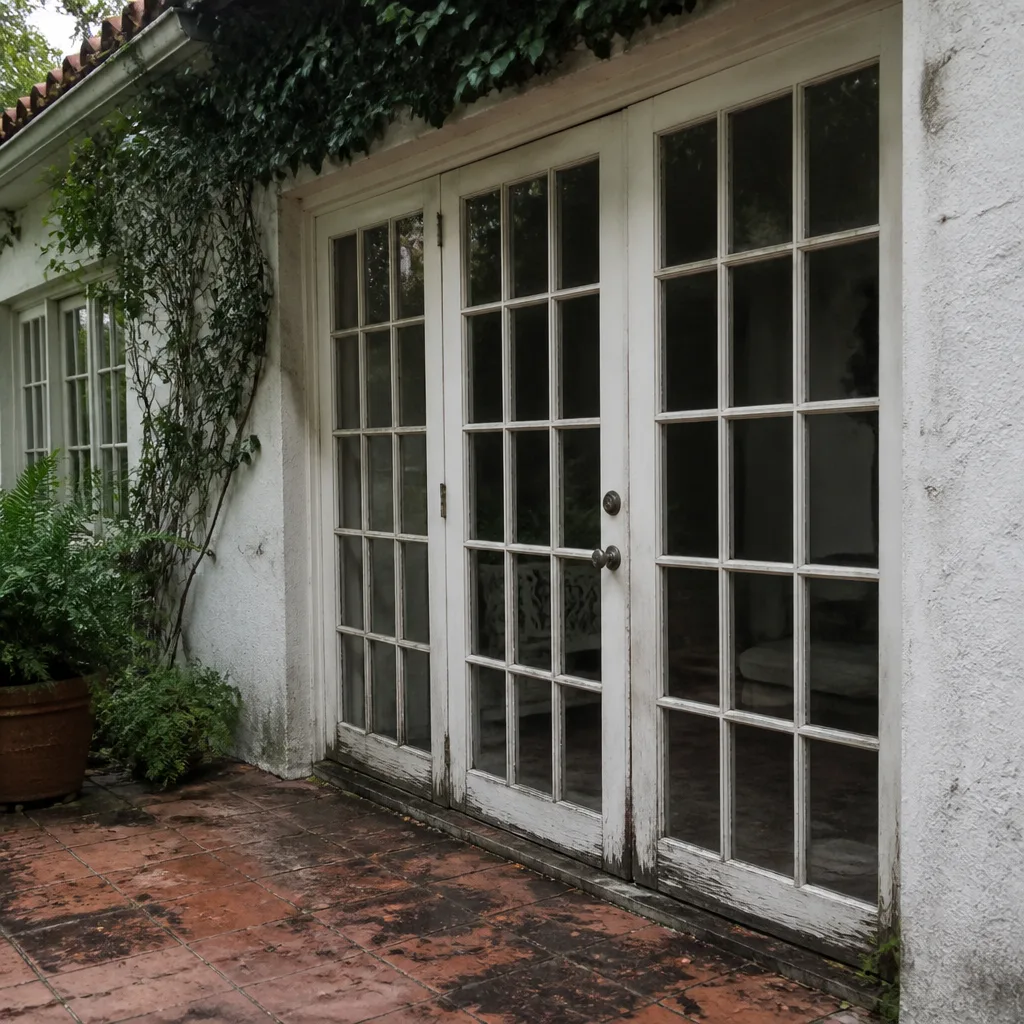 Before
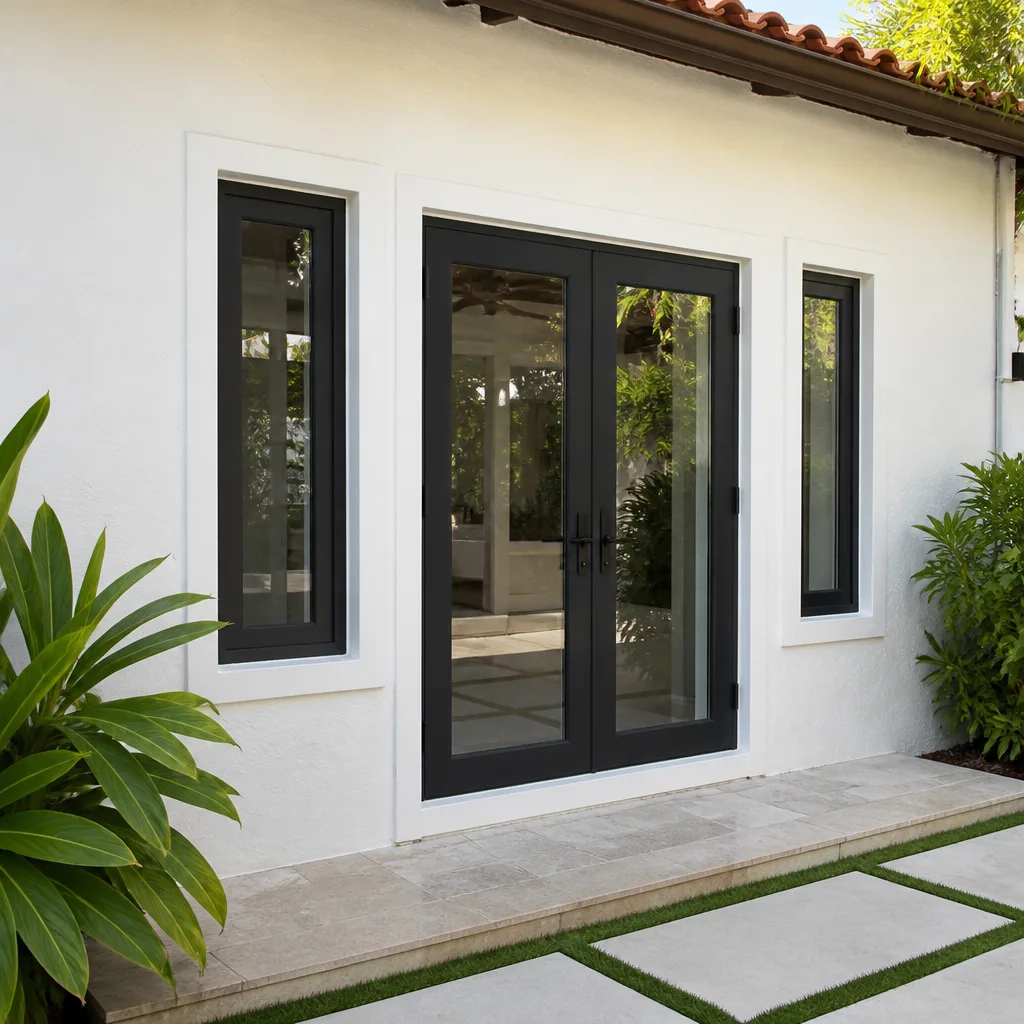 After
After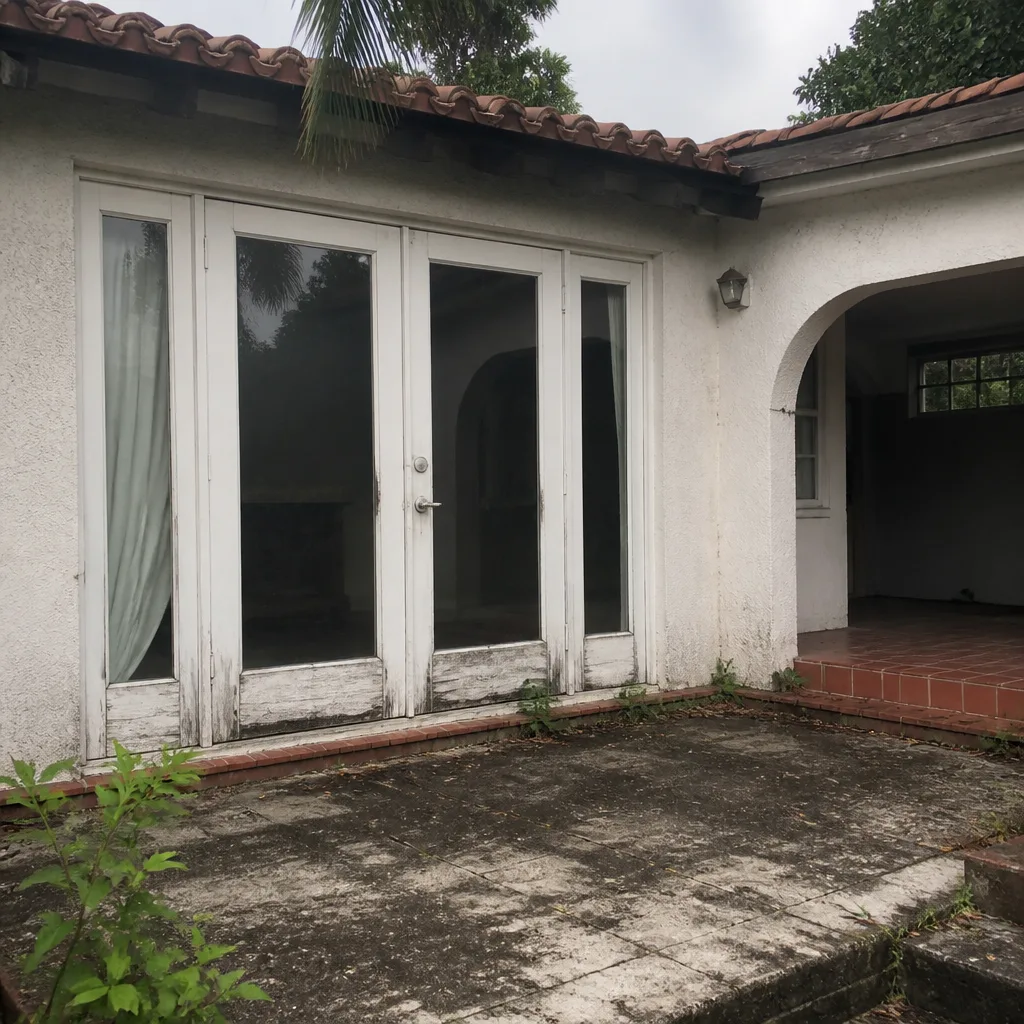 Before
 After
AfterWindow Installation Maintenance Checklist for Coral Gables Homeowners
Most homeowners in Coral Gables don’t lose windows to hurricanes. They lose them to neglect, salt air, and the slow creep of humidity that works its way into every seal, track, and frame joint. A window that survives twenty South Florida summers without maintenance hasn’t been lucky. It’s been quietly failing in ways that cost more to fix later than a simple tune-up would have cost now. This guide walks through exactly what to check, when to check it, and what’s normal wear versus what needs a glazier’s attention. We’ve put it together from years of working on Coral Gables homes, from the 1920s Mediterranean revivals off Coral Way to the mid-century ranches in the Riviera section.
Quick Answer
A Coral Gables window installation should be inspected twice a year, once before hurricane season in May and once after the rainy season ends in November, with specific checks on caulking, weep holes, rollers, weatherstripping, and impact glass lamination. Most maintenance takes under an hour for the average home, and the most important habit is clearing drainage paths so water never pools against a frame. If a window is fogged between panes, binding in its track, or showing salt crust at the corners, that’s not a maintenance item. That’s a replacement signal.
Table of Contents
- Why Coral Gables Weather Demands a Different Maintenance Routine
- The Tools You’ll Actually Need
- The Pre-Hurricane Season Checklist (May)
- The Post-Rainy Season Checklist (November)
- Signs a Window Has Failed, Not Just Aged
- Maintaining Impact Windows and Doors Specifically
- Track, Roller, and Weatherstripping Care That Extends Life
- Common Mistakes to Avoid
- When to Call a Professional
- Frequently Asked Questions
- The Bottom Line
Why Coral Gables Weather Demands a Different Maintenance Routine
Window maintenance advice written for Minneapolis or Phoenix doesn’t survive contact with Coral Gables reality. We’re dealing with three forces at once: salt-laden Atlantic air, nine months of high humidity, and a hurricane season that turns every window into a structural question. The salt is the sneaky one. It settles into aluminum tracks, eats at uncoated hardware, and accelerates corrosion on screens within a few years if left alone. The humidity is the slower killer. It keeps wood frames swelling and shrinking in cycles that crack old caulk and loosen glazing putty. And the storm pressure isn’t just about the glass. It’s about the fasteners, the anchoring, and whether the flashing still sheds water the way it did on install day.
In our experience across TruePane Windows & Doors home service calls, homes within two miles of the bay need roughly twice as much track cleaning as homes in the interior sections around the Biltmore or Country Club Pines. The salt accumulation is visible. The difference in window longevity between a maintained home and an ignored one in Coral Gables runs about seven to ten years on standard aluminum frames, and closer to twelve on quality impact-rated units from manufacturers like PGT or Simonton. The maintenance isn’t optional. It’s the difference between replacing windows at year fifteen and year twenty-five.
The Tools You’ll Actually Need
You don’t need a contractor’s van full of gear. A bucket, a soft brush, a shop vacuum, a flathead screwdriver, a tube of marine-grade silicone, and a spray bottle of mild soap solution will handle ninety percent of what this checklist asks for. Add a roll of painter’s tape to mark anything you find that needs follow-up. That’s it. We’re not going to tell you to buy a moisture meter or a thermal camera. Those are for diagnostics, and if you reach the point of needing them, you’re past maintenance and into replacement territory.
Keep the tools in one place. A five-gallon bucket with a handle works. The whole point of a maintenance routine is that it’s fast enough to actually happen twice a year. If every session starts with a scavenger hunt through the garage, the routine dies by March.
The Pre-Hurricane Season Checklist (May)
Run through this list in order, top to bottom. It’s built to catch the failures that matter most before storm season starts. Total time for a typical Coral Gables home with twenty windows: about ninety minutes.
- Inspect exterior caulking around every frame. Look for hairline cracks, gaps where the caulk has pulled away from the stucco or brick, and any area where you can slide a fingernail under the bead. Coral Gables stucco expands and contracts hard through the wet-dry cycle. Caulk fails from the outside in.
- Clear every weep hole. Weep holes are the small slots on the exterior bottom edge of the frame. They’re the window’s drainage system. Blocked weep holes in a Coral Gables downpour mean water backs up into the track, overflows, and runs down the interior wall. Use a thin wire or a can of compressed air. Don’t skip this one.
- Test every locking mechanism. Open the window, close it, lock it. The lock should engage without force. If you’re fighting it, the sash has shifted or the hardware is corroded. Forced locks break. A broken lock on an impact window is a security and storm-readiness failure.
- Check window and door screens for tears and frame warping. Screens aren’t structural, but a torn screen in Coral Gables is an open invitation to mosquitoes, and nobody needs that in May. Replace or re-screen now, not in August.
- Run a hand along the interior drywall under each window. You’re feeling for soft spots, bubbling paint, or a chalky residue. Any of those means water has been getting in, even if you never saw a puddle. This is how slow leaks announce themselves in South Florida.
- Confirm impact windows have their lamination intact. For impact-rated glass, look at the edges. The laminated interlayer should be flush and clear. Delamination, where the layers start to separate and show a milky edge, means the window won’t perform to its Miami-Dade NOA rating when it matters.
- Photograph everything you find. Serial numbers, damage, weird wear patterns. This becomes your record for warranty claims and for knowing what changed year over year.
The Post-Rainy Season Checklist (November)
November is the audit. The storms have passed, the humidity is finally dropping, and every problem from the wet season is sitting there waiting to be found. This pass takes longer than the spring one. Budget two hours.
- Re-inspect all caulking with fresh eyes. The summer sun and rain have done their work. What looked fine in May may be cracked and lifting by October. Pay special attention to south-facing and west-facing windows. They take the worst UV load and the caulk fails there first.
- Clean the tracks and rollers thoroughly. Remove the sashes if they’re removable. Vacuum out every bit of sand and grit. Wipe the tracks down, then apply a thin coat of dry silicone spray to the rollers and the track channel. Don’t use grease. Grease holds grit and turns into grinding paste within a month.
- Check weatherstripping for compression and tears. Close the window on a strip of paper. If the paper pulls out without resistance, the weatherstripping has lost its spring and the window is leaking conditioned air. Coral Gables electric bills don’t care about your window’s feelings. Replace the stripping.
- Look for salt crust at the bottom corners of exterior frames. White, powdery buildup is corrosion of the aluminum. A little is cleanable. A lot means the anodized finish has failed and the frame is pitting. Once pitting starts, the window’s clock has started running.
- Test drainage by running water along the outside of a closed window. Watch the weep holes. Water should run out of them, not pool inside the track. If it pools, something’s blocked or the frame was pitched wrong at install.
- Check for condensation between double or triple panes. A fogged unit in November is a failed seal. The desiccant inside the unit is saturated. Nothing you spray, wipe, or drill will fix it. The glass unit is done. Mark it for replacement.
- Write down every finding and date it. This is the list you’ll reference next May, and it’s the list you’d hand to a contractor if you decide to make repairs. It changes a vague worry into a specific work order.
Signs a Window Has Failed, Not Just Aged
Here’s the line we draw after four decades of looking at Coral Gables windows. Cosmetic wear is scratches on the frame, faded paint, a screen that needs replacing. Those are maintenance items. Failure is anything that means the window no longer does its job, which is keeping water out, air in or out as intended, and glass intact when it matters.
- Fog between panes. The seal is dead. The insulating gas is gone. The window is now a single pane with an R-value approaching zero. Replacement is the only fix.
- Visible daylight around a closed sash. If you can see light, air and water can move through the same gap. The window is no longer sealed, and in Coral Gables humidity, that means your AC is conditioning the outdoors.
- A sash that drops when you open it. That’s a broken or worn balance. Don’t prop it open with a stick. A dropped sash can fall hard enough to break glass or hurt someone.
- Water stains on the interior drywall or floor below a window. The leak is active, not historical. Ignoring it in Coral Gables means mold, and mold remediation costs more than a window replacement.
- Rattling when the wind blows. A properly installed window doesn’t rattle. Rattling means loose fasteners, worn weatherstripping, or a frame that’s pulling loose from the opening. In a storm, that window becomes a structural liability.
- Condensation on the interior side of the glass, not between the panes. This is usually a humidity problem in the house, not a window failure. But if it’s localized to one window, suspect a failing seal or poor air circulation. Improve the room’s ventilation before assuming the glass is bad.
What we’ve learned serving Coral Gables homes is that one failed window rarely stays alone. Frames from the same install date, exposed to the same weather, tend to fail in a cluster. If you’ve found two failed units this year, you can reasonably expect the rest of that original installation to follow within two to four years. Budget for it now rather than getting surprised later.
Maintaining Impact Windows and Doors Specifically
Impact windows don’t need less maintenance than standard windows. They need different maintenance, and the stakes are higher. A standard window that fails quietly is an inconvenience. An impact window that fails quietly is a liability you don’t discover until a Category 3 storm is offshore and the manufacturer won’t honor a warranty on an unmaintained unit.
Start with the lamination. Impact glass is two pieces of glass bonded by a plastic interlayer, typically PVB or SGP. The bond can deteriorate at the edges. Look for clouding, yellowing, or any visual separation at the very edge of the glass unit. That’s the interlayer failing. If the edge looks milky or the layers have started to peel like old laminate countertop, the window’s impact rating is compromised and you need a professional evaluation, not a cleaning cloth.
Second, check the frame anchoring. Impact windows are only as strong as the attachment between the frame and the building. In Coral Gables, where many homes are older masonry construction, the anchors are set into concrete or block. Look for cracking in the stucco radiating from the window corners. Hairline stucco cracks are normal in South Florida. Cracks that run diagonally from the corner of the window frame outward suggest the frame is moving under load, which means the anchors are compromised.
Third, verify the hardware is original. Impact-rated hardware from PGT, Jeld-Wen, or Simonton windows is engineered to the specific unit. Swapping in a generic latch from a hardware store because it fits the screw holes voids the product approval and leaves you with a window that looks right and performs wrong. Keep the paperwork. That Miami-Dade NOA number printed on the frame is the whole reason the window is rated.
Finally, if the home has impact-rated sliding glass doors, the track maintenance matters double. A sliding door that binds means the rollers are shot, and a shot roller means the panel sits heavy in the track, which wears the weatherstripping, which lets water run to the threshold. In Coral Gables, a failing threshold on a sliding door rots the subfloor from inside, where you can’t see it until the tile is soft.
Track, Roller, and Weatherstripping Care That Extends Life
This is the unglamorous section, and it’s the one that saves real money. Tracks, rollers, and weatherstripping are the working parts of a window, and Coral Gables is rough on all three. Sand from beach trips and construction sites grits up the tracks. Salt air corrodes the rollers. Humidity rots and compresses the weatherstripping. The window glass can be perfect while all three of these quietly fail around it.
Track Cleaning, Step by Step
- Vacuum first. Remove loose sand, dead bugs, and general debris from the track channel with the shop vac. Do this before anything gets wet. Wet sand is abrasive and harder to remove.
- Scrub with mild soap. A few drops of dish soap in warm water, a soft brush, and patience. Scrub the track channel and the bottom edge of the sash. Rinse with clean water.
- Dry thoroughly. A rolled-up cloth run through the channel. Water left sitting in a Coral Gables aluminum track starts the corrosion clock immediately.
- Lubricate with dry silicone spray. Spray onto a cloth and wipe the track. Spray a small amount directly onto the rollers if you can reach them. Do not use WD-40, do not use grease, do not use cooking spray. Any of those will attract grit and create a grinding compound that destroys the track.
Weatherstripping Check
Weatherstripping is the foam, felt, vinyl, or rubber gasket running along the frame where the sash meets it. It’s your air seal. In Coral Gables, it usually wears out in five to seven years on high-use windows and eight to ten on windows that stay closed. If the strip looks compressed flat, has tears, or no longer bounces back when pressed, it’s done. Replacing weatherstripping is one of the highest-return maintenance items in terms of AC savings and comfort, and it’s a job most homeowners can handle with a utility knife, a tape measure, and the correct replacement profile from the original manufacturer.
If you can’t identify the window manufacturer or the original weatherstripping profile, a universal compression strip works as a stopgap but will need re-checking every few months. For impact windows, always match the manufacturer profile. The air and water resistance ratings on the original unit assumed that exact gasket.
Common Mistakes to Avoid
- Sealing weep holes shut with caulk. We see this on Coral Gables homes every year, usually after a painter’s crew goes around the house sealing every gap they find. Weep holes exist to drain water. Seal them and the next heavy rain runs down your interior walls. Painters should be told explicitly to leave them clear.
- Using power washers on window frames or glass. High pressure blasts water past the seals, forces its way into the track, and damages weatherstripping. Use a garden hose with a spray nozzle, not a power washer. This is one of the most common causes of mystery window leaks in South Florida.
- Painting over moving hardware. Locks, latches, rollers, and hinges don’t need paint. Paint gunks up the mechanism, and then homeowners force the hardware, which breaks it. If the hardware is ugly, replace it. Don’t paint it.
- Ignoring one fogged window because the others look fine. A fogged pane means a failed seal, and a failed seal means the window has stopped insulating. Replacing just that glass unit is almost always cheaper when caught early than waiting until the frame also deteriorates.
- Using the wrong lubricant on tracks and rollers. Grease, oil, or silicone-based wet lubricants collect sand and grit. In Coral Gables, sand is always present. Dry silicone spray only, or nothing at all.
- Shoving a sash open when it binds. A binding window is telling you something: the roller is worn, the track is dirty, or the frame has shifted. Forcing it just bends something or breaks the sash. Stop and find the cause.
- Replacing impact glass with standard glass after a break. This one comes up after a storm, when insurers are processing claims and homeowners just want the hole closed. Installing standard glass in a frame that’s rated for impact voids the product approval, may violate Coral Gables building code, and gets flagged on resale inspection. Always replace impact glass with the same impact rating.
When to Call a Professional
Some of this checklist is homeowner work. Some of it is not. The line to cross into professional territory is when the issue involves glass, anchoring, or water that’s already inside the house. A fogged pane means the glass unit is dead. A cracked anchor or failing frame-to-wall bond means the window’s structural connection is compromised. Water staining inside the home means the leak is no longer outside. These are not maintenance items and no amount of caulk or track cleaning will fix them. Attempting to address these yourself risks voiding warranties, making the damage worse, and, in the case of impact-rated assemblies, leaving a window that won’t perform when a storm comes. TruePane Windows & Doors offers free estimates in Coral Gables. Call (954) 507-3613 and we’ll tell you honestly whether the window has life left in it or whether it’s time to plan a replacement. No charge for looking, and we’d rather talk you out of a purchase than into a bad one.
Frequently Asked Questions
Twice a year, once in May before hurricane season and once in November after the wet season ends. Each pass takes one to two hours for a typical home. Between those passes, clear visible debris from tracks and weep holes monthly.
If you’re doing the basic checklist yourself, under $50 a year for cleaner, silicone spray, and the occasional replacement weatherstripping. If you hire a professional tune-up, TruePane Windows & Doors offers a maintenance check that covers the full checklist, hardware inspection, track cleaning and lubrication, and a written report of any findings. Call (954) 507-3613 to schedule.
No. A fogged window is a failed seal, and once the desiccant inside the insulated glass unit is saturated, no cleaning, drilling, or venting will restore it. The glass unit needs replacement. The frame may be reusable depending on its condition and age.
Yes. Impact windows need all the same track, roller, and weatherstripping care as standard windows, plus an annual check of the lamination edges for delamination and the frame anchoring for movement. Impact hardware must stay original to preserve the product approval rating.
With regular maintenance, quality aluminum-framed windows from manufacturers like PGT or Simonton typically last 20 to 25 years in the Coral Gables climate. Impact-rated units can last 25 to 30. Without maintenance, especially under salt exposure within two miles of the bay, expect 12 to 18 years. The difference is the maintenance.
Interior condensation on the room side is usually a household humidity issue, not a window failure. If it’s localized to one window and persistent, suspect a failing seal or poor air circulation around that window. Wipe it dry, check the window’s drainage, and improve ventilation. If it persists, schedule a professional evaluation. Call (954) 507-3613 for a free estimate.
The Bottom Line
The windows in your Coral Gables home are doing real work every day against salt, humidity, sun, and storm pressure. They’ll do that work for decades if you do the maintenance. Two passes a year, clear weep holes, clean tracks, honest assessment of what’s wearing out. The checklist in this guide covers the essentials. The money in your pocket comes from catching a fogged seal, a salt-corroded track, or a failing impact laminate early, while the repair is cheap and before the damage spreads. If you find something you’re not sure about, don’t guess. Call (954) 507-3613 for a free estimate from TruePane Windows & Doors. We’ve been serving Coral Gables since 2008, and we still answer the phone.
Written by Dale Kessler, Owner at TruePane Windows & Doors, serving Coral Gables since 2008.
Six Reasons Homeowners Choose TruePane Windows & Doors
Impact systems engineered to design pressures up to +/-100, matched to your wind zone - your openings hold when the storm arrives.
Low-E insulated impact glass from our manufacturer lines commonly cuts monthly cooling bills 20-30%.
Laminated impact glass shuts out up to 40% of outside noise - traffic, neighbors, weather.
Monitoring services run $30-90 a month. Laminated impact glass resists forced entry around the clock, with no subscription.
Florida homeowners average around 25% savings on the windstorm portion of their policy after protecting every opening - some homes qualify for more.
A full impact package upgrades curb appeal, buyer confidence and appraised value in one project.