
Last updated August 25, 2026
Free in-home measure and quote - PGT, CGI and CWS impact lines compared on your actual openings, style by style
Sliding glass doors
Impact garage doorsPGTCGI
 Before
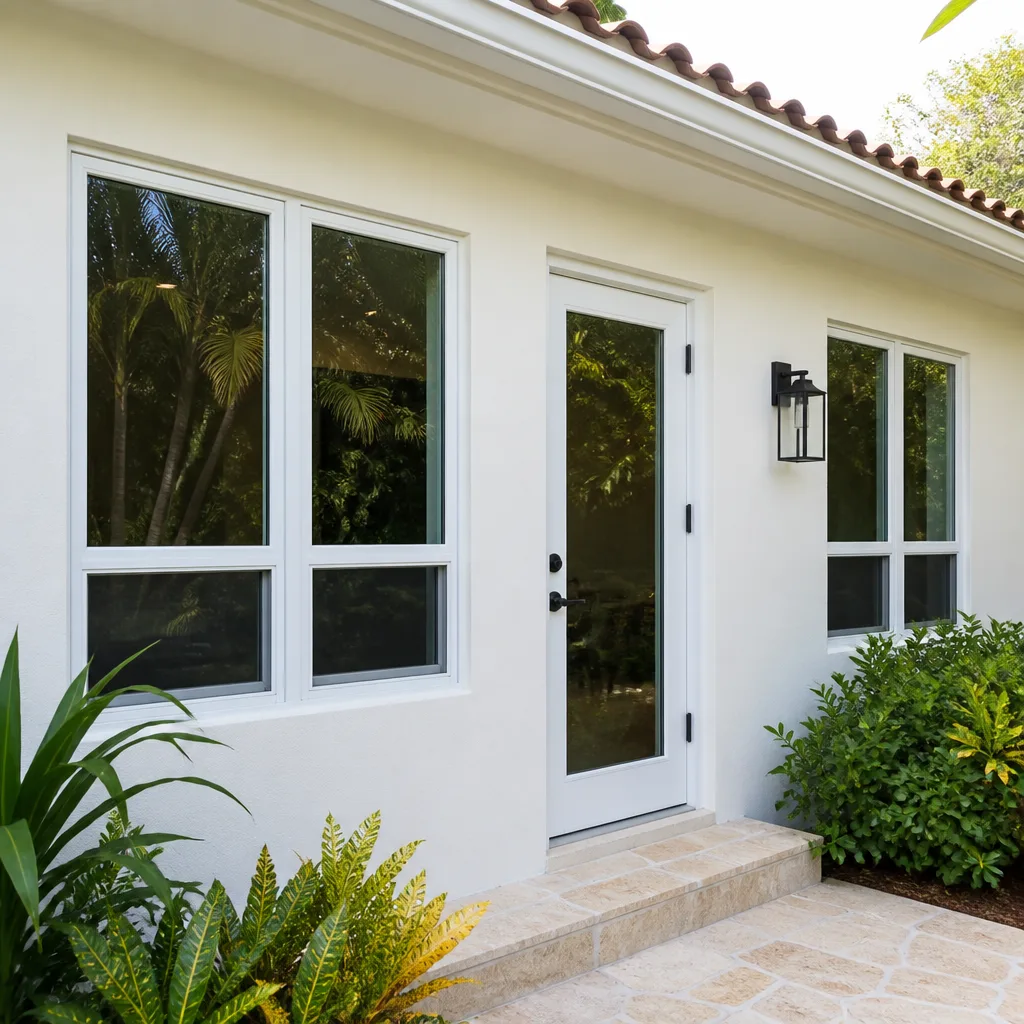 After
After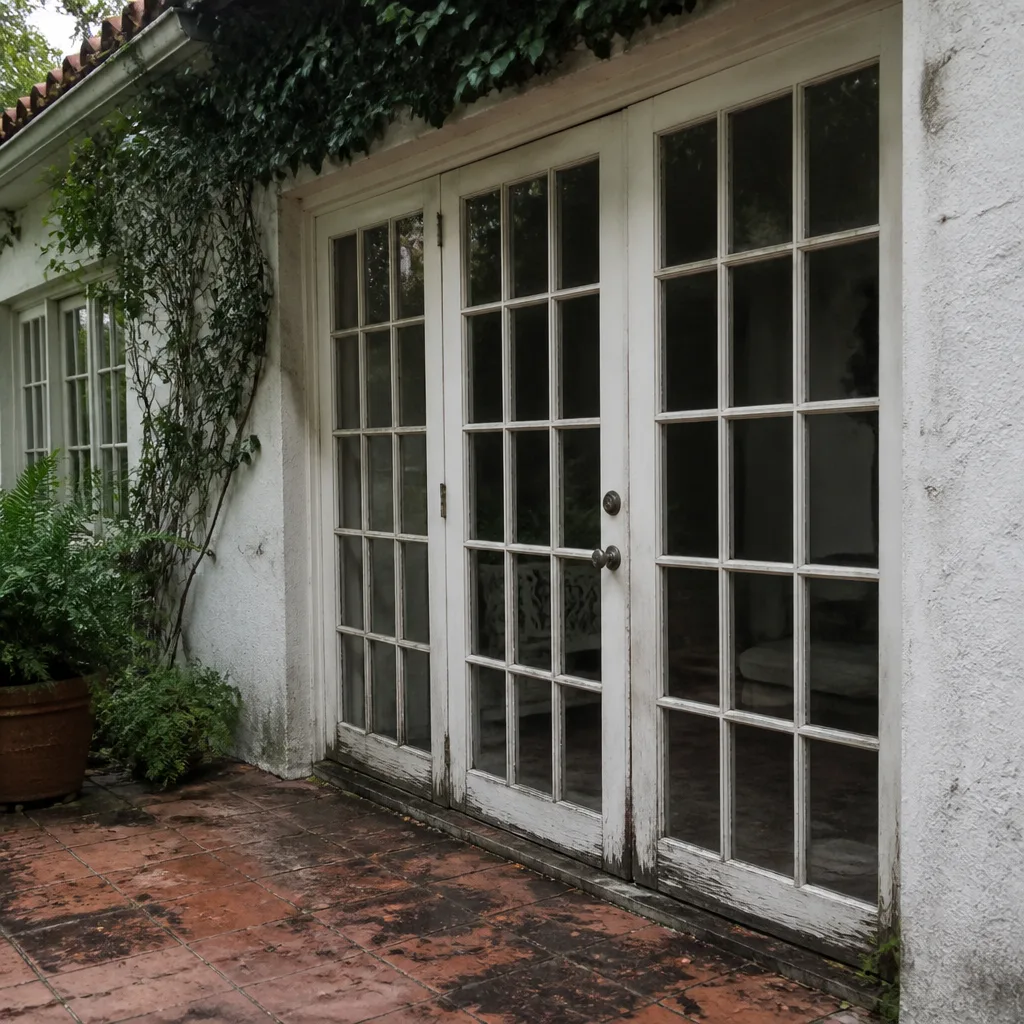 Before
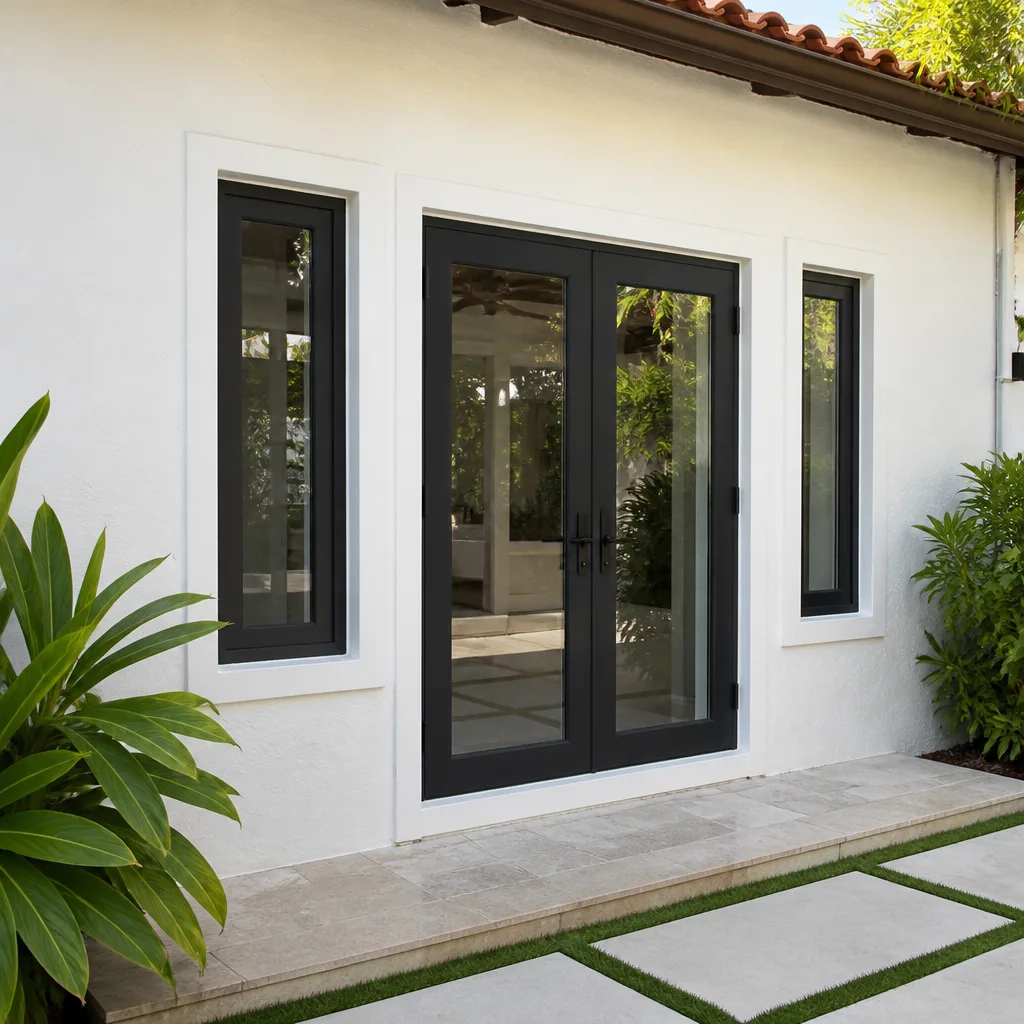 After
After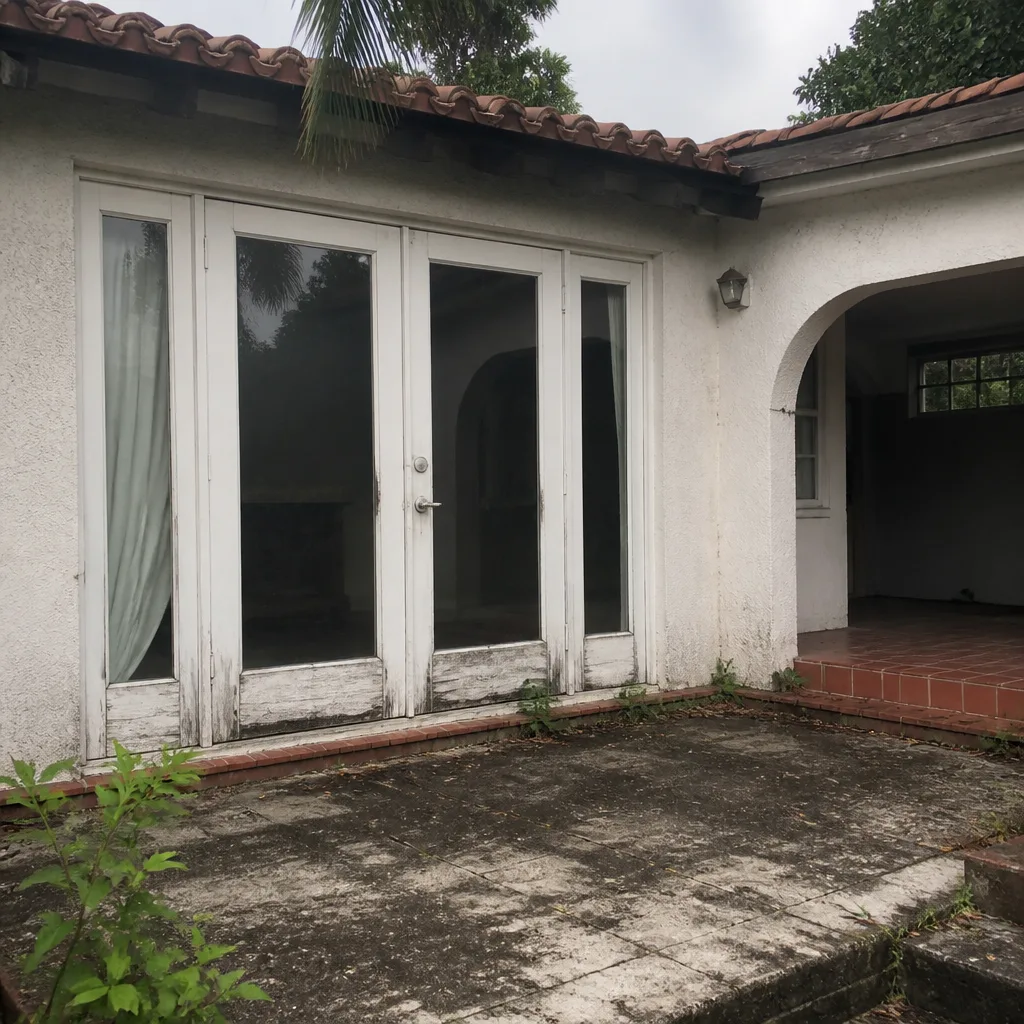 Before
 After
AfterDIY vs Professional Windows & Doors: The Coral Gables Homeowner’s Decision Guide
The window and door industry loses more money to botched do-it-yourself installs than to any storm that has ever rolled through Coral Gables. The manufacturers know it. The building department knows it. And any glazier who has been called in to pull out a homeowner’s weekend project can tell you the same story: the materials were decent, the intentions were good, and the flashing was wrong. This guide walks through the real differences between DIY and professional window and door work in Coral Gables, with specific numbers, code requirements, and the scenarios where one choice clearly beats the other.
Quick Answer
For most Coral Gables homeowners, professional installation is the right call for any window or door that affects weather sealing, structural load, hurricane protection, or a manufacturer’s warranty. DIY makes sense for a narrow set of cosmetic and interior jobs: recaulking interior trim, replacing hardware on an interior door, repainting a jamb, or touching up a sill. The honest dividing line is this: if the opening must keep water, wind, or an intruder out, the cost of a professional install is cheaper than the cost of a failed one.
Table of Contents
- What DIY Actually Costs in Coral Gables
- What Professional Installation Actually Costs
- Coral Gables Code and Permit Reality
- The Warranty Problem No One Talks About
- Impact Windows and Hurricane Protection: The DIY Line in the Sand
- Older Homes in Coral Gables: The Hidden Complexity
- Common Mistakes to Avoid
- When to Call a Professional
What DIY Actually Costs in Coral Gables
A mid-range double-hung window from a big-box store in the Miami area runs anywhere from $220 to $480, depending on glass package and frame material. A sliding glass door starts around $600 and goes up fast. Those are real numbers you can check today, and they make DIY look attractive at first glance. Then the real math starts.
The first hidden cost is the tools. Setting a window properly requires a level you trust, shims, a drill with enough torque, a caulking gun, backer rod, flashing tape, a pry bar, and for stucco homes, a masonry blade and patching material. If you own none of that, you are spending $200 to $400 before the first window comes out of the box. The second hidden cost is disposal. Coral Gables requires construction debris be hauled, not left at the curb for weekly pickup. A single window tear-out produces a surprising amount of material, and a full sliding door produces more. The third cost is the one most homeowners never budget for: the mistake. One misread flashing detail costs more to fix than the labor would have cost in the first place.
For the narrow jobs where DIY genuinely saves money, interior door hardware is the cleanest example. Replacing a worn door handle or adding a deadbolt to an interior passage door is a $30 to $90 afternoon project with almost no risk. Recaulking interior trim where it meets the sill is another legitimate one. Those projects do not touch the building envelope, and no permit is required. Everything beyond that gets harder fast.
What Professional Installation Actually Costs
Professional window replacement in Coral Gables runs between $700 and $1,800 per window installed, with the material, labor, flashing, and haul-away included. Door installation runs between $1,200 and $4,000 depending on the door system, with impact-rated doors at the higher end. Those ranges cover the spectrum from an entry-level vinyl window to a high-end impact window from a manufacturer like PGT or Simonton, and they reflect the Miami-Dade market specifically, which carries product approval and labor requirements that most of the country does not have.
What the homeowner is actually buying with that number is worth spelling out. The price includes product that carries a Miami-Dade or Florida Building Code product approval, a crew that knows how to flash an opening in a stucco wall so water running down the face of the house gets directed out instead of behind the wall, and a company that records both the manufacturer warranty and the workmanship warranty in writing. It also includes the permit, because in Coral Gables, a window or door replacement requires one. When a contractor tells you a permit is not needed on a window swap in this city, that is the moment to hang up the phone.
We quote manufacturer lines side by side on paper so the homeowner sees exactly what they are buying. A Milgard vinyl window next to a PGT impact window next to a Jeld-Wen wood-clad window, each with its own price and its own warranty duration. That is not a sales tactic. It is the only way a homeowner can make an honest comparison instead of guessing.
Coral Gables Code and Permit Reality
Coral Gables sits inside the High Velocity Hurricane Zone, the most demanding wind-load region in Florida’s building code. Every exterior window and door installed here must carry a product approval that matches the specific design pressures of the opening it is going into. Those pressures vary by house, by elevation, by roof shape, and by position on the structure. A window that works on the leeward side of a one-story house on Alhambra Circle is not automatically approved for the third-floor gable end of a home near the Biltmore. The product approval documents spell out the exact limits, and reading them requires some fluency.
The permit is not optional. Coral Gables requires a building permit for any replacement of exterior windows or doors, full stop. The city’s building department reviews the product approval, confirms the opening meets current code, and sends an inspector to check the installation. If a homeowner installs without a permit, the problems compound. Insurance claims get denied. The next home sale stalls. If the city discovers the work, the homeowner pays fines and still has to pull the permit retroactively, which usually requires opening the wall to prove the flashing was installed correctly. None of that is cheaper than doing it right the first time.
For the homeowner weighing DIY, this is the section to read carefully. Most DIYers are not pulling permits, which means most DIY window replacements in Coral Gables are, by the letter of the law, illegal construction. And the insurance implications are worse: post-storm claims have been denied outright when the insurer learns the window was a self-installed job without a permit.
The Warranty Problem No One Talks About
Manufacturer warranties on windows and doors are only as good as the installation. Every major manufacturer, including Jeld-Wen, PGT, Simonton, and Ply Gem, writes installation requirements into their warranty language. If the window is not installed to spec, the warranty is void before it ever begins. A homeowner who spends $900 on a window and installs it themselves may have no warranty at all, because the manufacturer has an easy out: “installed improperly.” That phrase has ended more warranty claims than any defect in glass or frame.
There are actually two warranty layers on a replacement window. The first is the manufacturer’s warranty, which covers the glass, the frame, the seal, and the hardware. The second is the workmanship warranty, which covers the installation itself, including the flashing, the caulking, the shimming, and the interior finish. A professional installation should deliver both layers in writing, with the durations stated. At TruePane Windows & Doors home we register both warranty layers before the truck leaves the driveway, and we keep it under The Keystone Standard: both manufacturer warranty layers registered in writing, durations stated, workmanship guaranteed for 90 days with no paperwork fights and no arguing. That is the minimum a homeowner should accept from any window or door contractor, and it is something a DIY installation can never provide.
Here is the practical version of all this. Write down the manufacturer warranty. Write down the workmanship warranty. Ask whoever does the work to put both on paper with the durations stated. If the person doing the work is you, there is no workmanship warranty. There is just you, re-caulking the same leak three summers from now.
Impact Windows and Hurricane Protection: The DIY Line in the Sand
Impact windows and doors in Coral Gables are not a DIY product. The reason has nothing to do with skill and everything to do with liability. An impact-rated window only performs its function when it is installed into an approved opening with the correct anchoring, the correct sealant, and the correct integration with the surrounding structure. The product approval on a PGT or CGI impact window is not a promise that the glass alone stops a 2×4 at 50 feet per second. It is a promise that the entire assembly, installed per the approval documents, passes the large-missile test. Install it wrong and the assembly is no longer approved. The insurance discount, the code compliance, and the storm protection all go out the window because the window no longer meets the tested assembly.
Homeowners in older Coral Gables homes have an additional issue: the openings themselves were not designed for impact products. A 1950s house near the Granada Golf Course may have framing that needs to be reinforced or resized before an impact window will fit at all. That is structural work, requiring an engineer’s letter and a permit, and it is outside the reach of any weekend project.
Impact windows are also heavy. A standard 3-foot-by-5-foot impact window can weigh 120 pounds or more. An impact sliding door can weigh 400 pounds. Lifting that into an opening, leveling it, shimming it, and anchoring it while keeping the frame square is a two-person job with the right equipment. Do not attempt this solo on an upper floor. The safety risk alone is enough to end the DIY conversation, and any honest tradesperson will tell you the same.
Older Homes in Coral Gables: The Hidden Complexity
Coral Gables has one of the richest inventories of pre-1960 housing in Miami-Dade County. The Spanish Revival homes, the Mediterranean estates, and the mid-century ranch houses all have character, and they all have openings that do not match modern window and door sizes. In our experience, nearly every older home we work on involves some degree of custom sizing, framing adjustment, or stucco repair around the opening. The homeowner who measures their existing window and orders a stock replacement from a catalog will discover, usually after the old window is out, that the rough opening is a half-inch out of square and the wall is a quarter-inch out of plumb. At that point the house is open to the weather and the homeowner is in trouble.
Here is a step-by-step of what a professional replacement looks like on an older Coral Gables home, because it helps to see the sequence:
- Measure the opening. Not just the visible frame, the full rough opening with the trim pulled back. We measure every opening twice, which catches the discrepancies that catalog purchases miss.
- Check the structure. Look for rot, termite damage, sagging headers, and out-of-square corners. Older homes hide these things behind the trim.
- Confirm product approval. Match the window or door to the Miami-Dade product approval for the specific opening, considering elevation, exposure, and design pressure.
- Pull the permit. Submit the product approval and the plans to Coral Gables, and schedule the inspection.
- Remove the old unit. Cut the exterior stucco cleanly, remove the old frame, and get the opening back to bare framing.
- Prep the opening. Address any framing repair, install the sill flashing, and apply the correct waterproofing to the rough opening.
- Set the new unit. Place, level, shim, and anchor the window or door to the approved fastener schedule. This is the step every DIY video skims past because it is the part that actually fails.
- Flash and seal. Apply the perimeter flashing and sealant layers in the correct order so water drains down and out, not in.
- Close it back up. Repair the stucco or trim, clean the glass, test the operation, and register the warranties in writing.
The sequence is not exotic. But each step has five ways to go wrong, and on a Miami house, water finds every one of them within two rainy seasons.
What a Professional Checks That a DIYer Does Not
The real value in a professional installation often comes down to the checks that happen before and during the work, not the act of setting the unit itself. A window can look straight and still be wrong in ways that take years to show. Here is what an experienced crew is watching for, and what a first-time DIYer does not know to look for.
- Sill slope and drainage. The sill must drain water outward and away from the wall cavity. A window set level but without proper sill flashing will hold water at the bottom corners, and rot follows.
- Perimeter seal against stucco. Stucco is porous. The seal between the window flange and the stucco needs the right materials and the right sequence, not just a bead of caulk pressed in with a thumb.
- Operable function after install. A double-hung that binds after installation means the frame was racked when it went in. The unit is not true. That is a warranty problem and an operation problem.
- Interior damage risk. Stucco removal shakes the wall. Baseboard, plaster, and tile near the opening can crack. A professional knows where to look and can answer for any damage caused during the work.
- Insulation and air gap at the rough opening. The space around the window frame should be filled, not left hollow. An air leak in a Coral Gables summer is a humidity problem, and humidity is a mold problem.
- Locking hardware alignment. A French door or a sliding door with locks that do not line up is a security issue. That gets caught before the job is done, not three weeks later when the homeowner notices it.
None of these checks require exotic tools. They require having seen a few hundred installations and knowing what failure looks like while it is still small enough to fix for free.
Common Mistakes to Avoid
- Ordering by visible frame size instead of rough opening. The window you can see is always smaller than the hole in the wall. Using the visible dimensions means the new unit is too small every time, and the gap gets filled with shims, caulk, and regret.
- Skipping the permit in Coral Gables. The city’s building department is not an optional checkpoint. Unpermitted window work shows up on the title, and it kills insurance claims and home sales.
- Installing a non-impact window in an impact-required opening. Not every window in an older Coral Gables home is currently impact-rated, and that is legal until the window is replaced. But the replacement must meet current code, which means impact-rated. Installing a cheaper non-impact unit is a code violation and an insurance liability.
- Flashing backwards. The purpose of flashing is to direct water down and out. Installed in the wrong sequence, it directs water into the wall. The order matters: sill first, then the sides, with the head flashing lapped over the side flashing at the top. Get it backward once and the mistake is invisible until the wall is stained.
- Choosing the cheapest window rather than the right window. A $200 window installed incorrectly costs more than an $800 window installed once. That is not sales talk. That is the arithmetic of having to buy the window twice and repair the wall in between.
- Trying to hang a heavy impact door solo. A 400-pound sliding door in an upper-floor opening is not a one-person job. Beyond the obvious injury risk, doors that heavy need to be set and adjusted carefully, and a solo installer will rush the alignment just to be done with it.
- Not registering the warranty. Some manufacturer warranties require registration within a set window after purchase. Skip it and the warranty shrinks. This applies to DIY and to cut-rate installs where no one mentions it.
When to Call a Professional
Call a professional for any exterior window or door replacement in Coral Gables, any impact window or door work, any installation that requires a permit, any job where the old unit is being removed and the wall opened, and any project where a manufacturer warranty is supposed to survive past the install date. Call a professional when the home is older and the opening is not a stock size, which describes most of the housing stock east of Red Road. And call when you want someone who measures every opening twice, quotes manufacturer lines side by side on paper, and registers both warranty layers before leaving the driveway. TruePane Windows & Doors offers free estimates in Coral Gables. Call (954) 507-3613 and a live person will answer, 24 hours a day, 7 days a week. No voicemail tree, no callback form.
Frequently Asked Questions
Professional window installation in Coral Gables typically runs $700 to $1,800 per window, with the material, labor, flashing, permit, and haul-away included. The range depends on the window type, size, and whether impact-rated glass is required. For an exact quote on your openings, call (954) 507-3613 for a free estimate, written line by line.
No. Coral Gables requires a permit for any exterior window or door replacement, and impact windows must be installed to the product approval specifications or the tested rating no longer applies. An unpermitted, self-installed impact window is a code violation that can lead to denied insurance claims. The permit and the approval are not optional add-ons; they are the product.
In most cases, yes. Major manufacturers including PGT, Jeld-Wen, Simonton, and Ply Gem write installation specifications into their warranty terms, and a self-installed unit that does not meet those specs carries no enforceable manufacturer warranty. The second warranty layer, workmanship, does not exist at all on a DIY job because there is no installer standing behind it.
A typical single window replacement takes half a day to a full day, including removal, setup, flashing, and interior finish. A full-house replacement of ten windows typically runs three to five working days, plus the time for city inspection scheduling. We find most Coral Gables homeowners prefer it done deliberately rather than quickly, and the permit inspection adds honest time to the schedule.
If the windows are being replaced, the new units need to meet current code for the opening, which in Coral Gables generally means impact-rated or otherwise code-approved protection. Shutters can serve as protection for intact existing windows, but replacement windows must meet the code that is in effect now, not the code from 1985. A professional can walk through what the opening actually requires before you spend money on the wrong product.
You should look for a company that registers both warranty layers in writing with durations stated, quotes products side by side on paper, stands behind the workmanship in writing, and answers the phone with a live person. Background-checked technicians, a local track record, and a company that plans to be in town thirty years from now are not extras in this industry. They are the minimum for work that has to last.
The Bottom Line
DIY has a legitimate place in window and door care, but it is small: interior hardware, interior trim, touch-up caulking, paint. Every job that touches the building envelope, the warranty, the insurance policy, or the hurricane code belongs in professional hands. Coral Gables sits in the most demanding wind-load region in the country, and the homes here are old enough that every opening has a surprise in it. The deciding question for any homeowner comes down to this: if the seal fails in year three, who answers the phone? A professional stands behind the work in writing. A DIY job stands behind nothing. Call (954) 507-3613 to schedule your free estimate, and we’ll measure every opening twice before we quote you a single number.
Written by Dale Kessler, Owner at TruePane Windows & Doors, serving Coral Gables since 2008.
Six Reasons Homeowners Choose TruePane Windows & Doors
Impact systems engineered to design pressures up to +/-100, matched to your wind zone - your openings hold when the storm arrives.
Low-E insulated impact glass from our manufacturer lines commonly cuts monthly cooling bills 20-30%.
Laminated impact glass shuts out up to 40% of outside noise - traffic, neighbors, weather.
Monitoring services run $30-90 a month. Laminated impact glass resists forced entry around the clock, with no subscription.
Florida homeowners average around 25% savings on the windstorm portion of their policy after protecting every opening - some homes qualify for more.
A full impact package upgrades curb appeal, buyer confidence and appraised value in one project.