
Last updated August 27, 2026
Free in-home measure and quote - PGT, CGI and CWS impact lines compared on your actual openings, style by style
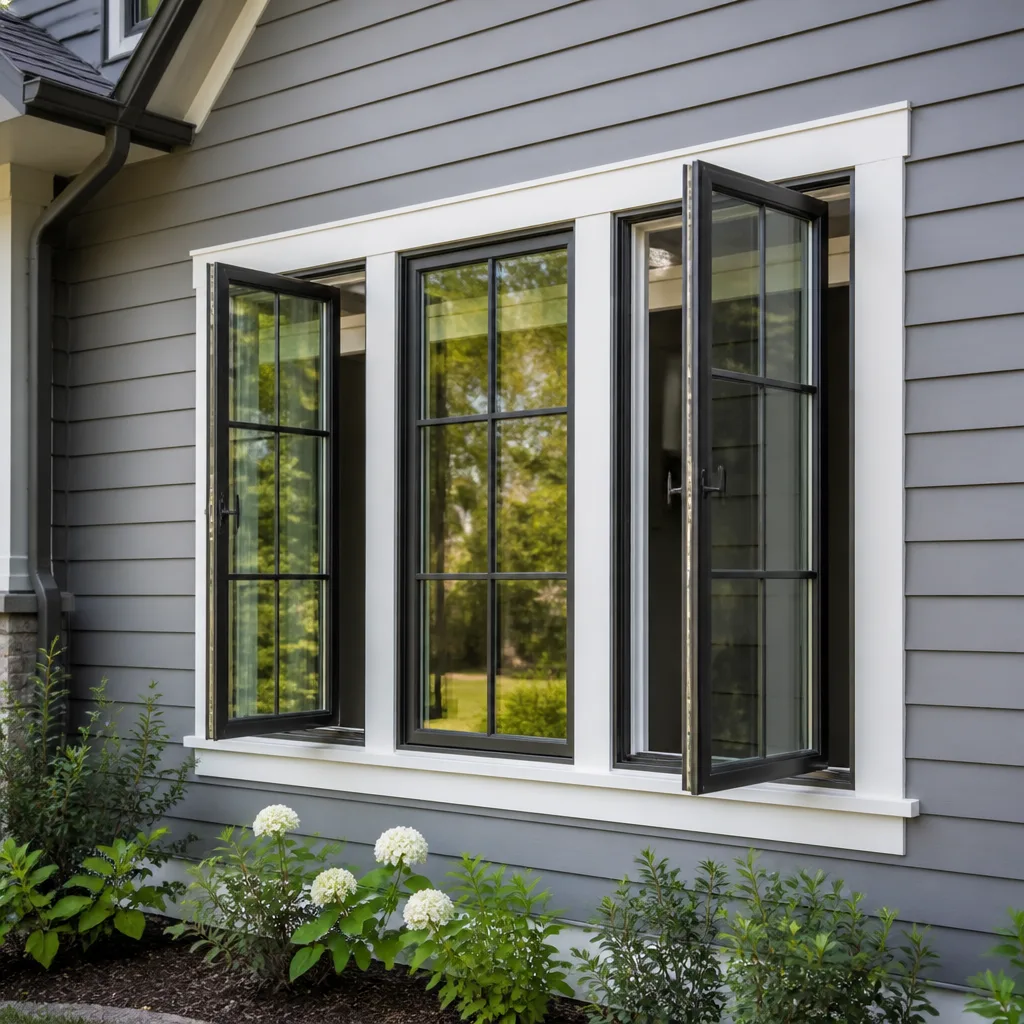
Sliding glass doors
Impact garage doorsPGTCGI
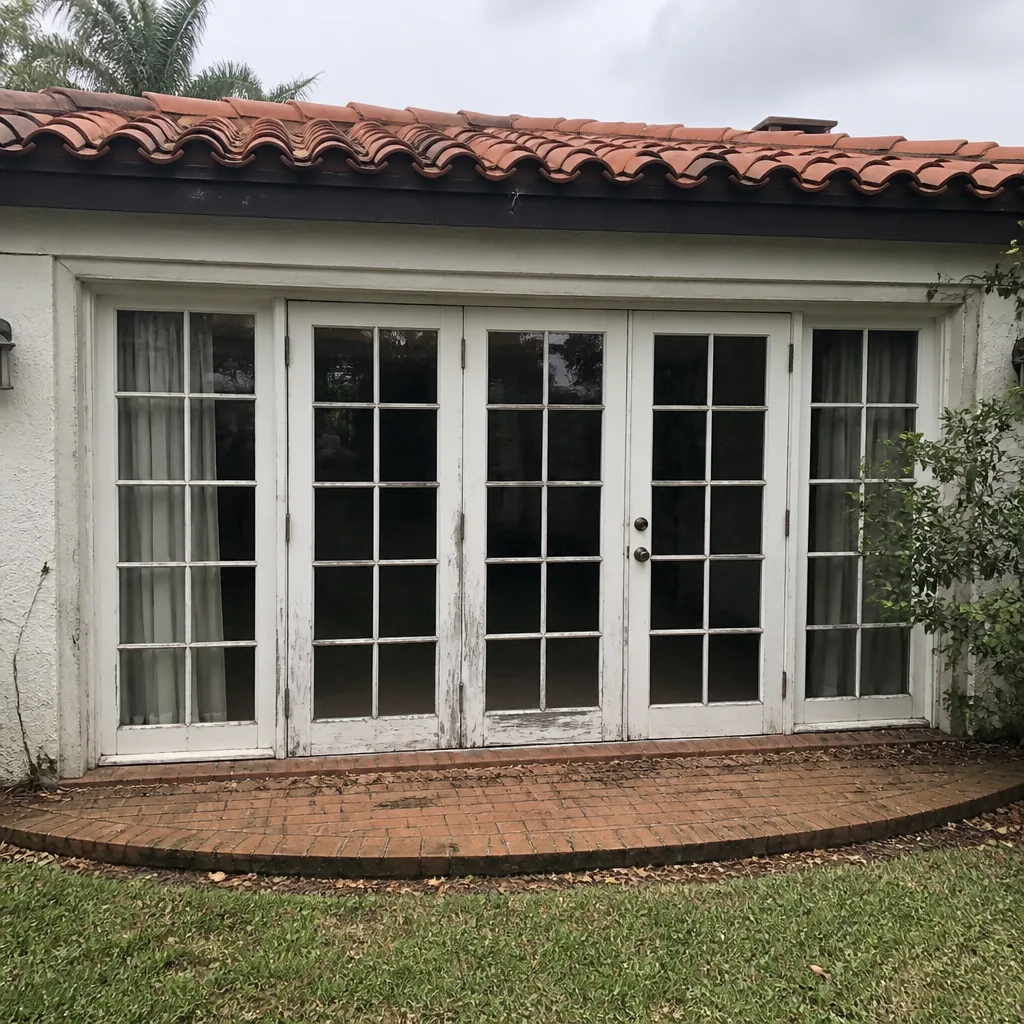 Before
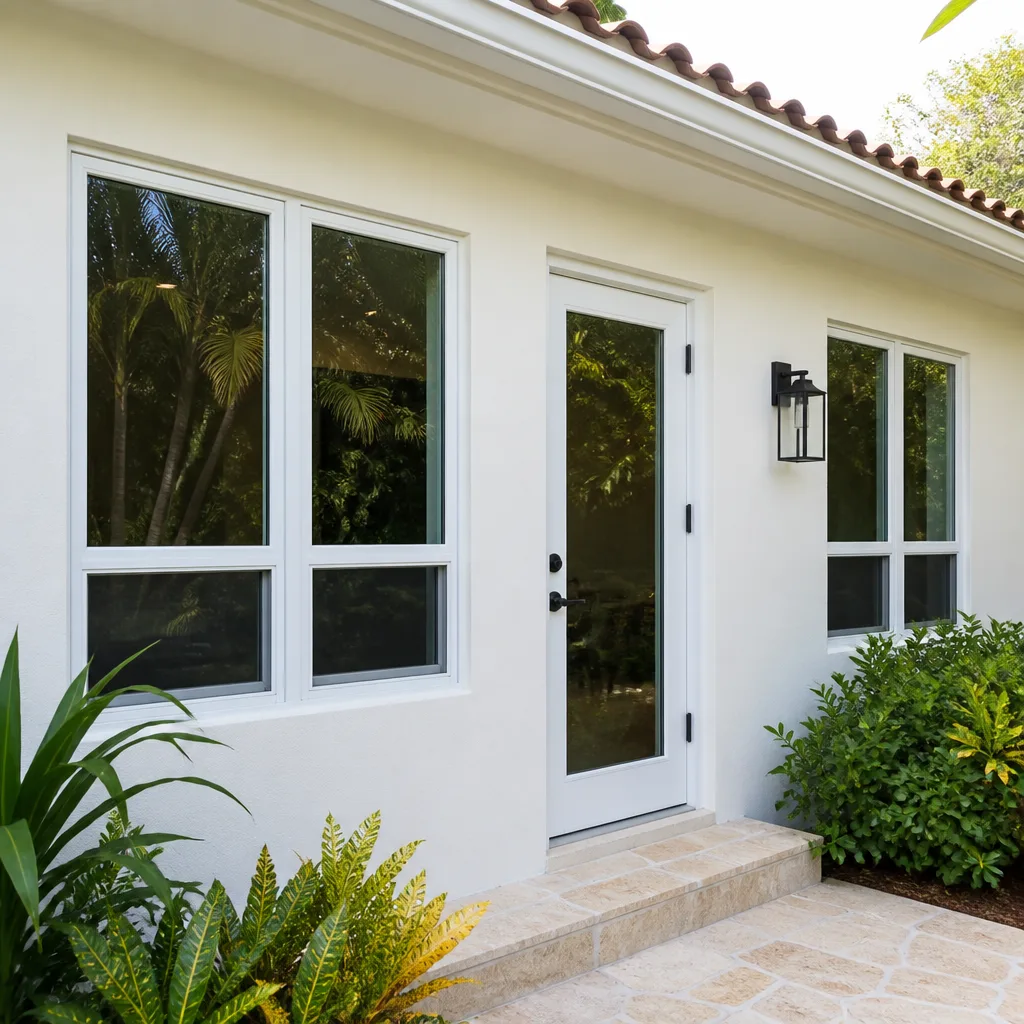 After
After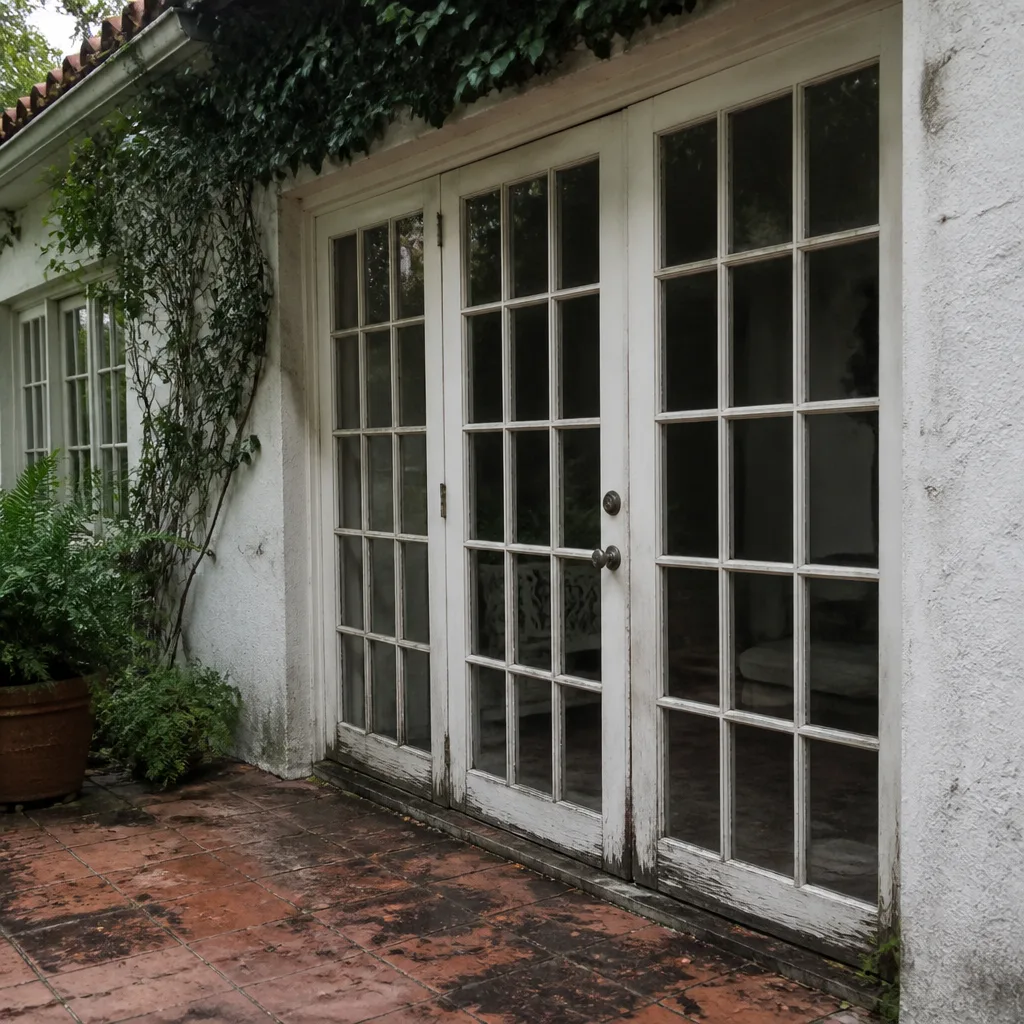 Before
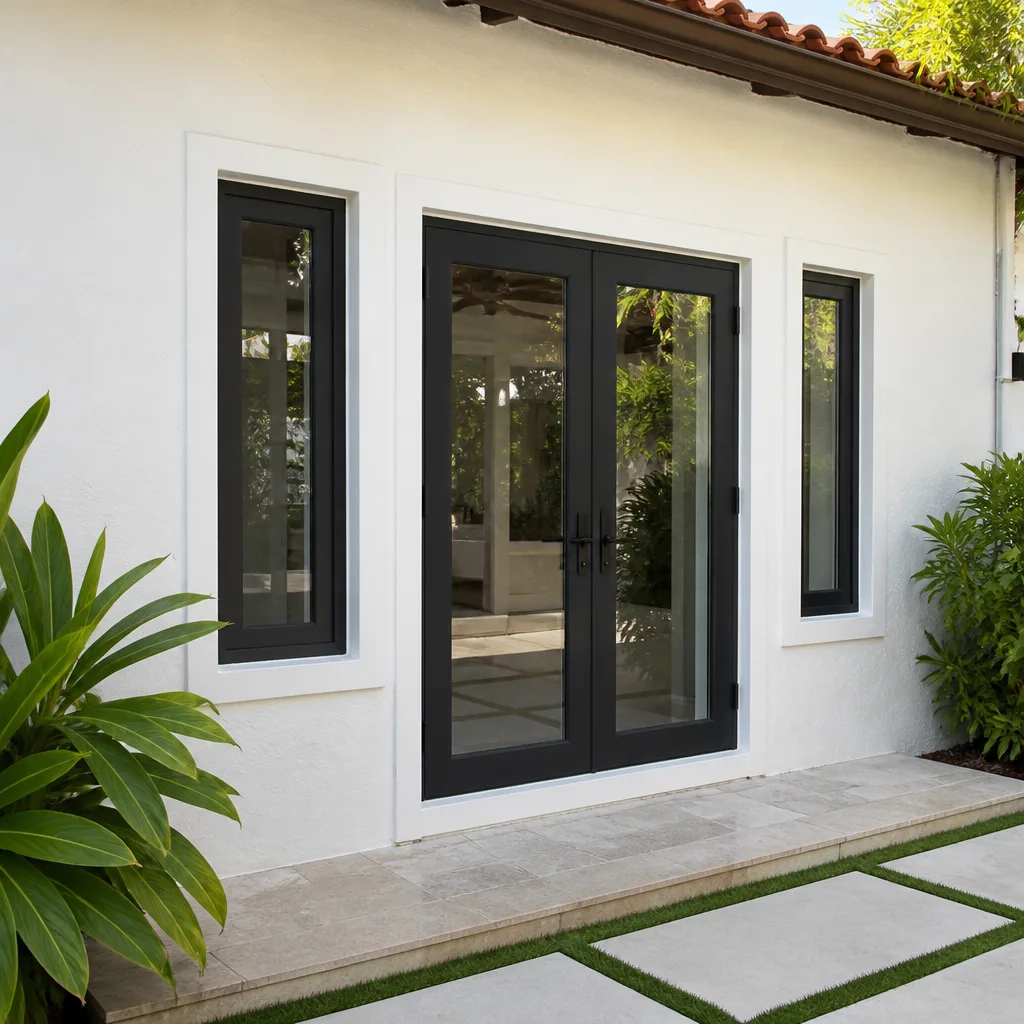 After
After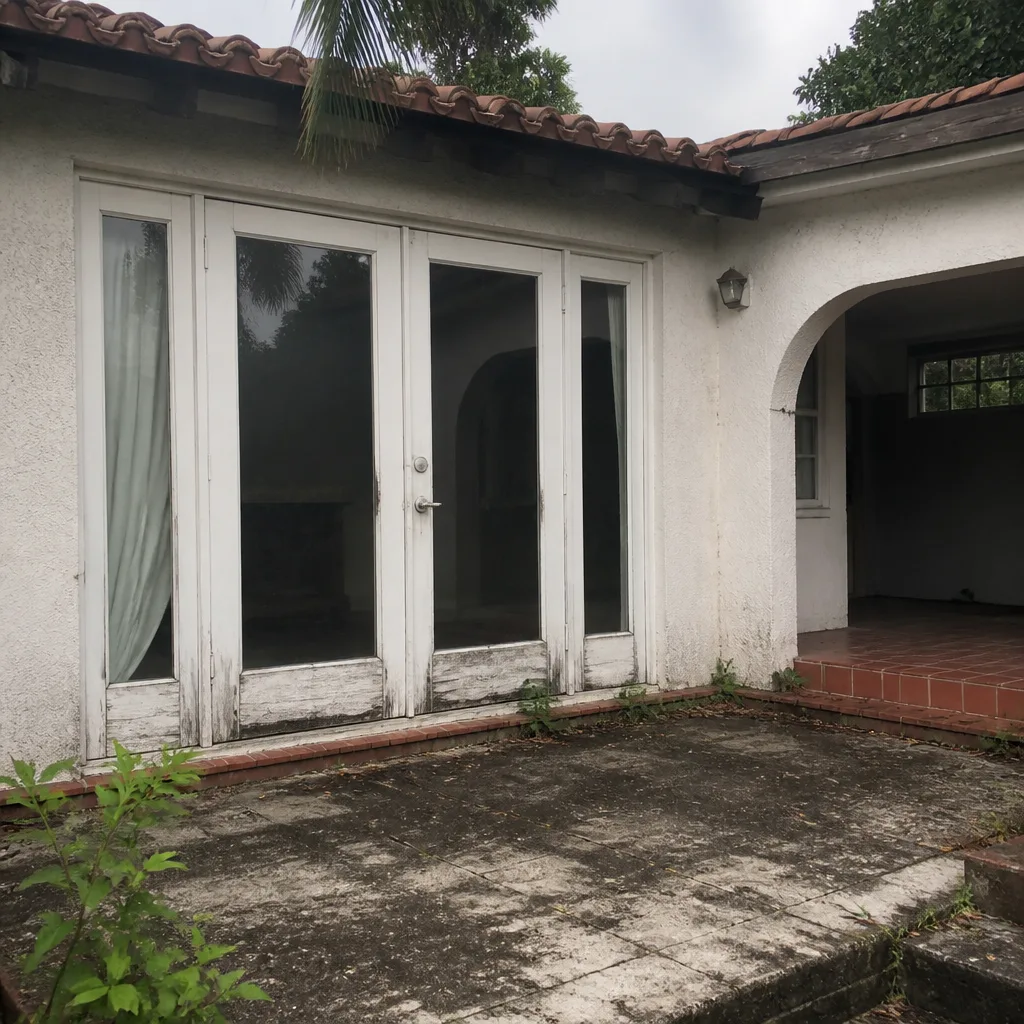 Before
 After
AfterSeasonal Windows & Doors Care for Coral Gables: Year-Round Homeowner’s Guide
Most Coral Gables homeowners don’t think about their windows and doors until something fails. By then, the repair is always more expensive than the maintenance would have been. A window that sticks through one humid summer, or a door that swells against its frame every September, is sending you a signal. This guide covers what to check each season, what you can handle yourself, what you should leave alone, and when a problem in Coral Gables means calling someone who has seen it before. It’s written for people who plan to stay in their homes for another twenty years.
Quick Answer
Coral Gables windows and doors need quarterly attention: clean tracks and check weep holes in spring, inspect weatherstripping and caulk before summer storms, lubricate rollers and hinges each fall, and check for condensation or salt-air corrosion every winter. Most maintenance is free and takes under an hour per opening. The expensive problems - rotted wood frames, fogged double panes, impact glass that no longer seals - need a glazier, and catching them early is the difference between a maintenance check and a $2,400 replacement.
Table of Contents
- Spring: Salt-Air Inspection and Weep Hole Clearing
- Summer: Storm Prep and Impact Glass Checks
- Fall: Lubrication and Alignment Before the Dry Season
- Winter: Condensation, Drafts, and Cooler-Month Diagnostics
- How Coral Gables Salt Air Actually Affects Windows and Doors
- Managing Moisture: The Hidden Cost of Coral Gables Humidity
- Energy Efficiency Through the Seasons
- When to Repair vs. When to Replace
Spring: Salt-Air Inspection and Weep Hole Clearing
In Coral Gables, spring is when you discover what the winter salt air did to your window hardware. Homes within two miles of the coast accumulate a fine layer of salt on aluminum frames, hinges, and screws. Salt is hygroscopic, so it pulls moisture from the air and holds it against metal. That’s why we see more pitted aluminum and corroded rollers in Coral Gables than homeowners expect. The fix starts with a spring walkthrough.
- Rinse exterior frames with fresh water. Use a garden hose, not a pressure washer. Pressure drives salt and grit into weep holes and behind weatherstripping.
- Look for white, chalky powder on aluminum. That’s the start of pitting. If it wipes off with a rag, it’s surface salt. If it leaves bare metal, you’ve lost the finish and need professional attention.
- Clear every weep hole. Weep holes are the small drainage channels at the bottom of sliding window tracks and door frames. In Coral Gables, they clog with salt crystals, sand, and the occasional lizard. A clogged weep hole means water sits in the track and eventually finds its way inside the wall.
- Test every lock and latch. Operate each window and door fully. If a lock is stiff, don’t force it. Corroded lock mechanisms snap when forced, and a snapped lock means a security problem until the hardware is replaced.
- Check caulk lines around exterior trim. Look for cracks, gaps, or caulk that has pulled away from the brick or stucco. Coral Gables humidity expands and contracts building materials; caulk fails in pinhead-sized openings that let driving rain in during summer storms.
This spring pass takes about five minutes per opening. For most homeowners, the whole house is under an hour. The problems you find this season are small. The problems you ignore become summer storm leaks.
Summer: Storm Prep and Impact Glass Checks
Summer in Coral Gables means three things: daily thunderstorms, the start of hurricane season, and windows that swell against their frames from humidity. All three are manageable if you know what to look for.
The first summer check is the easiest to skip: confirm your impact windows actually close and lock from the inside. We’ve lost count of how many calls we’ve taken many years where a homeowner discovered in August that a window they hadn’t opened since March had a warped track, a broken roller on one side, or a latch that no longer engaged. Impact glass that can’t be securely closed isn’t impact protection. In Coral Gables, where code requires either impact-rated openings or shutters on new construction and remodels, a window that won’t lock is a code compliance problem as well as a safety problem.
- Operate every window and door completely. Open fully, close fully, lock, unlock. Note any binding, grinding, or windows that require shoulder force to move.
- Check the weatherstripping. Press a piece of paper between the sash and frame, close the window, and try to pull the paper out. If it slides out easily, the seal is failing. In summer, that means air-conditioned air escaping and humid air entering.
- Inspect the sealant bead around each frame. Look specifically with a flashlight at the bottom corners. Water that gets past the exterior seal in a summer storm follows gravity and collects at corners, which is also where caulk fails first.
- Look at the screens. Torn screens in Coral Gables aren’t just a bug nuisance. They signal frame stress, especially on newer windows. If the screen frame is bent or the mesh is pulling loose, check that the window itself is still square.
If you find a window that binds only in the afternoon, when the sun has been on that side of the house, the sash has likely absorbed moisture and expanded. Sometimes opening it at night fixes the symptom, but the condition will return. That’s a frame or weatherstripping issue worth having assessed, not a routine maintenance item.
Fall: Lubrication and Alignment Before the Dry Season
By October, Coral Gables settles into its driest stretch of the year. Humidity drops, afternoon storms fade, and wood and composite door frames shrink slightly. This is the season we recommend lubrication and alignment. The work is straightforward, and it prevents the most common door complaint we hear every January: “the door doesn’t close like it used to.”
Lubricate rollers and hinges. Use a silicone-based lubricant on sliding door tracks, window rollers, and hinge pins. Silicone doesn’t attract dust the way oil-based lubricants do, which matters in Coral Gables where dry-season dust settles on everything. Spray lightly, wipe away the excess, and operate the opening several times to distribute the lubricant.
Check door alignment. With the dry season’s lower humidity, doors that swelled over summer will settle. Test each exterior door quickly. Close it and look at the gap around the frame. It should be even. If the door rubs at the top on the latch side, the hinges are likely sagging. If it rubs at the bottom, the door may have absorbed moisture and warped. A door that scrapes the floor will wear the threshold and eventually damage the door itself.
Adjust strike plates. If a door requires you to lift the handle or push firmly to latch, the strike plate has moved. Tighten the screws first, which solves half of all strike plate issues. If the latch still doesn’t catch cleanly, the strike plate needs to be repositioned. This is a fifteen-minute fix for a glazier and a recurring annoyance if left alone.
Fall is also the right time to inspect glass railing systems and patio door tracks for any debris accumulated over the rainy season. If you have a pool cage or patio enclosure, check the silicone where glass panels meet metal frames. Coral Gables pool areas see heavy chlorine exposure, and chlorine degrades sealant faster than rain will.
Winter: Condensation, Drafts, and Cooler-Month Diagnostics
The brief Coral Gables winter is the best time to diagnose air leaks and seal failures. Cooler outside temperatures make drafts obvious, and interior condensation patterns tell you more about your windows than any other observation.
Condensation inside the glass means a failed seal. When moisture appears between the panes of double-pane or impact glass, the insulating gas has escaped and the window no longer performs as rated. No amount of cleaning fixes it. The glass unit must be replaced. Often this is covered under the manufacturer’s warranty, which is exactly why both manufacturer warranty layers should be registered in writing. A homeowner who registered their windows properly can often replace a fogged sealed unit for a fraction of the cost of a new window.
Condensation on the room-side surface is usually indoor humidity, not a window failure. Coral Gables homes built before modern ventilation standards can trap humidity, especially on cooler nights when the AC runs less. If you see water beading on the inside of the glass in winter, run a dehumidifier and check bathroom and kitchen exhaust fans. If the condensation persists when indoor humidity is below 50%, the window’s thermal performance is worth evaluating.
Drafts are easiest to find on cool mornings. Move a damp hand slowly around each window and door frame. Cool air leaking in will be obvious against damp skin. Mark each spot with painter’s tape and address them: weatherstripping for moving parts, caulk for fixed joints, and new seals at the bottom of exterior doors.
Winter in Coral Gables is also the season of the salt-air creep. After a stormy autumn, aluminum frames can show new pitting by December. Run the same fresh-water rinse we recommend in spring, specifically along the bottom rails and any exposed screws.
How Coral Gables Salt Air Actually Affects Windows and Doors
Coral Gables sits far enough from the coast that many homeowners don’t consider salt exposure a factor. They should. Prevailing easterly winds carry salt aerosol well inland, and neighborhoods including Hammock Oaks, Snapper Creek, and The Kampong get enough salt deposition to corrode aluminum window hardware within five to ten years of installation.
Here’s what we’ve seen in Coral Gables, and it mirrors what the glazing trade knows about salt-air environments:
- Aluminum frames pit before they fail. Pitting starts as tiny white dots, then grows. Frame structural failure takes decades, but the hardware attached to the frame - screws, hinges, corner joints - corrodes fast because those components receive less protective finish.
- Stainless steel is not all equal. Hardware labeled stainless varies widely. We use marine-grade stainless on coastal installations in Coral Gables because 304 stainless will show rust spotting within a few years of salt exposure. 316 grade holds up.
- Salt accelerates sealant failure. Silicone and polyurethane sealants break down under UV exposure, and salt compounds the degradation. Bonds that should last 20 years often need attention in 8 to 10 in Coral Gables’ salt-adjacent air.
- Interior hardware suffers less than exterior, but not zero. Salt rides in on hands and shoes. Lock mechanisms on frequently-used doors, especially patio doors, benefit from a dry silicone lubricant twice a year.
If your home was built or your windows replaced more than 15 years ago no manufacturer protected Coral Gables hardware from salt air like they do now. Newer lines from PGT, Simonton, and Ply Gem include corrosion-resistant coatings and hardware designed for Florida’s coastal band, with ratings that vary by line and by distance-from-coast requirements. If you’re within range of salt deposition and shopping for replacements, that rating matters more than the color of the frame.
Managing Moisture: The Hidden Cost of Coral Gables Humidity
Humidity in Coral Gables runs above 65% most of the year, and in summer it can exceed 90% for weeks. Your windows and doors are the only barrier between that humidity and your conditioned interior. When they leak air, they leak moisture, and moisture is what turns a $200 weatherstripping problem into a $4,000 frame replacement.
The moisture challenge shows up in specific ways:
- Swollen wood and composite doors that bind in the frame. Most exterior doors are engineered to tolerate some humidity swings, but Coral Gables humidity exceeds design assumptions. Repeated swelling and drying cycles warp doors over a decade, worse on the east side where morning sun follows humid nights.
- Track corrosion on sliding doors. Water that sits in the track from summer storms never fully dries when humidity stays high. Rollers rust, tracks pit, and the door starts to grind. That grinding sound is metal on metal wear, and each cycle makes the next repair more expensive.
- Mold at window corners on the interior. If you see dark staining around window corners inside the house, moisture is migrating through a failed seal or past a compromised frame. The mold isn’t the problem; it’s a sign of where the real problem is.
- Fogged double-pane glass from seal failure. High interior humidity pulls moisture into any gap in the seal. Once moisture is inside the insulated glass unit, it never dries out, because the space between panes can’t breathe.
There’s one moisture-related maintenance practice worth doing year-round in Coral Gables: keep every window track and door threshold clean. Debris holds moisture against metal and against sealant beads. It’s a two-minute task per opening with a vacuum and a damp cloth, and it extends the life of every component it touches.
Energy Efficiency Through the Seasons
Windows and doors are the largest source of air leakage in most Coral Gables homes. The Florida Solar Energy Center has measured air infiltration accounting for up to 30% of cooling load in older houses. That’s not abstract; that’s your air conditioner working against your window seals.
Seasonal efficiency habits are simple:
- Spring and fall: open windows for ventilation when the humidity is below 60%. This reduces indoor-accumulated moisture and gives the window tracks and latches the regular use they need.
- Summer: keep blinds and shades drawn during the midday hours on east and west exposures. This reduces solar heat gain, which is the single biggest driver of AC load in Coral Gables summers. It has a secondary benefit too - lower surface temperatures on interior glass means less expansion stress on frames and seals.
- Winter: when the rare cool front comes through, open up the house and let the air run through. Beyond the pleasant change, it evacuates humidity that built up over the wet season.
If you’re considering replacement windows specifically for energy efficiency, the number that matters in Coral Gables is the Solar Heat Gain Coefficient, not just the U-factor. Lower SHGC means less heat comes through the glass, which matters more in a cooling-dominant climate than the insulation rating. We cite manufacturer specs side by side on paper, including SHGC and air infiltration numbers for lines like Jeld-Wen and PGT, because a window that’s great in Minnesota might be the wrong window on Old Cutler Road.
When to Repair vs. When to Replace
This is the question every Coral Gables homeowner eventually asks, and the answer is rarely a formula. But there are clear indicators.
Repair makes sense when:
- The frame is square and solid, but hardware has failed. Rollers, latches, hinges, and balances are replaceable parts, and replacing them can add ten more years of service to a good frame.
- Weatherstripping has compressed or torn, but the sash and frame are in good condition. This is a low-cost, high-impact repair.
- A sealed glass unit has fogged, but the frame is otherwise sound and still under manufacturer warranty. A glazier can replace the glass unit without replacing the window.
Replacement makes sense when:
- Frames show structural rot or significant aluminum pitting. Once the frame is compromised, hardware replacement is temporary; the next failure is already in motion.
- The window was installed more than 20 years ago and wasn’t impact-rated. Coral Gables building code now requires impact-rated openings or shutters for most new work and major renovations, and older non-rated windows are the weak point in every storm.
- Energy costs have climbed and the window’s sealing surfaces are irregular. A window that can’t seal properly will keep leaking conditioned air no matter how much caulk you apply.
- The door has warped beyond adjustment. Once a door slab warps, no hardware fix will make it close cleanly.
One caution from four decades in this trade: don’t repair a window that isn’t square. If the sash no longer sits in the frame evenly, or the corners and diagonals have shifted, the whole opening needs to be assessed. A replacement part installed in an out-of-square frame fails quickly, and that’s the kind of repair that makes a bad problem worse. As Dale Kessler has said since the early days: if the pane is not true, the job is not done.
Common Mistakes to Avoid
- Ignoring the weep holes year-round. They’re small, they’re hidden, and they’re the single most common cause of water damage we see around Coral Gables window openings. Clear them every spring and again in November.
- Using oil-based lubricants near the coast. Oil attracts and holds salt dust, turning a simple application into a grinding paste. Use dry silicone lubricant on everything.
- Forcing a stuck window or door. If it doesn’t operate with normal hand pressure, the cause is usually a failed roller, a swollen frame, or a misaligned track. Forcing it bends tracks, strips screws, and cracks glass.
- Caulking over old caulk. New sealant doesn’t bond to old, weathered sealant. Remove the old bead, clean the surface, and apply fresh. In Coral Gables humidity, a two-layer caulk job fails at the seam within one season.
- Replacing glass without addressing the frame. New glass in a failed frame is the most expensive short-term fix in the glazing trade.
- Not registering manufacturer warranties. Unregistered windows mean no warranty coverage when seals fog. Registering both warranty layers in writing, with durations stated, is the difference between a covered repair and a full-price replacement.
- Treating every window the same. North-facing windows in Coral Gables get little direct sun and hold moisture longer. North windows and west windows degrade through different mechanisms. The quarterly walk-through should notice which side is which.
When to Call a Professional
Call a glazier when you see condensation between panes, cracks in glass, significant frame pitting, a door that won’t latch without force, or any window or door that stops operating smoothly. These are not maintenance issues; they’re component failures with consequences. A failed seal means water is getting where it shouldn’t. A cracked pane in a storm-rated opening means the opening is compromised. TruePane Windows & Doors offers free estimates in Coral Gables - call (954) 507-3613 and a live person answers, day or night.
For most homeowners, the right time to call is earlier than feels necessary. A maintenance visit catches problems in the $89 range. Replacing a rotted frame catches you in the thousands. The math is not complicated.
Frequently Asked Questions
Check every window and door four times a year, once per season, using the seasonal checklists in this guide. In Coral Gables’s climate, quarterly attention catches salt-air corrosion, humidity swelling, and seal failure before the damage becomes structural. Most checks take under an hour for a typical house. Call (954) 507-3613 if you’d rather have a professional handle it - estimates are free.
A window that fogs between the panes has a failed seal; the insulating gas has escaped and humid air has entered the space between the glass. It’s most visible in winter because cooler glass makes condensation more obvious, but the failure happened earlier. A glazier can replace the insulated glass unit without replacing the whole window, and the repair is often covered by manufacturer warranty.
Yes. Impact windows are structurally strong, but their tracks, rollers, latches, and weatherstripping wear like any other window’s. The key maintenance is annual lubrication, track cleaning, and confirming the locks engage properly before hurricane season. An impact window that won’t lock isn’t impact protection. Call (954) 507-3613 for a maintenance visit in Coral Gables.
Most Coral Gables window repairs fall between $89 for a maintenance visit and $350 for hardware replacement like rollers, latches, and balances. Sealed glass unit replacement typically runs $250 to $650 per window depending on size and glass type. Replacing an entire window runs $900 to $2,400 in most Coral Gables homes depending on frame material, size, and impact requirements. Call (954) 507-3613 for an exact quote - estimates are free, and both warranty layers are registered in writing.
No. TruePane Windows & Doors provides upfront pricing in writing, and it doesn’t change once work is underway unless you ask for something different. Since 2008, we’ve operated under Dale Kessler’s rule: a square deal means no surprised line items on the final bill. That’s the TruePane Windows & Doors home standard, and it applies to every job in Coral Gables.
Yes. Coral Gables summer humidity expands wood and composite doors enough to bind against the frame. The cycle of annual swelling and drying gradually warps the door and wears the hinges and threshold. Lubrication and seasonal hardware adjustment can manage mild cases, but a door that binds every summer likely needs professional alignment or replacement. Call (954) 507-3613 to have it assessed in Coral Gables.
The Bottom Line
Windows and doors in Coral Gables are under constant pressure from salt air, humidity, and summer storms, and they respond to a simple rhythm: clean in spring, secure in summer, lubricate in fall, diagnose in winter. Most maintenance costs nothing but time. The expensive failures are almost always the result of deferred attention, not surprise. If you take one thing from this guide, take this: the components that protect your home from weather need more care than the home itself. Keep the weep holes clear, the tracks clean, and the seals honest, and your windows and doors will outlast your next roof. When a problem goes beyond your comfort level, TruePane Windows & Doors is a phone call away at (954) 507-3613 - a live person answers, and we’ve been serving Coral Gables since 2008.
Written by Dale Kessler, Owner at TruePane Windows & Doors, serving Coral Gables since 2008.
Six Reasons Homeowners Choose TruePane Windows & Doors
Impact systems engineered to design pressures up to +/-100, matched to your wind zone - your openings hold when the storm arrives.
Low-E insulated impact glass from our manufacturer lines commonly cuts monthly cooling bills 20-30%.
Laminated impact glass shuts out up to 40% of outside noise - traffic, neighbors, weather.
Monitoring services run $30-90 a month. Laminated impact glass resists forced entry around the clock, with no subscription.
Florida homeowners average around 25% savings on the windstorm portion of their policy after protecting every opening - some homes qualify for more.
A full impact package upgrades curb appeal, buyer confidence and appraised value in one project.