
Last updated August 27, 2026
Free in-home measure and quote - PGT, CGI and CWS impact lines compared on your actual openings, style by style
Sliding glass doors
Impact garage doorsPGTCGI
 Before
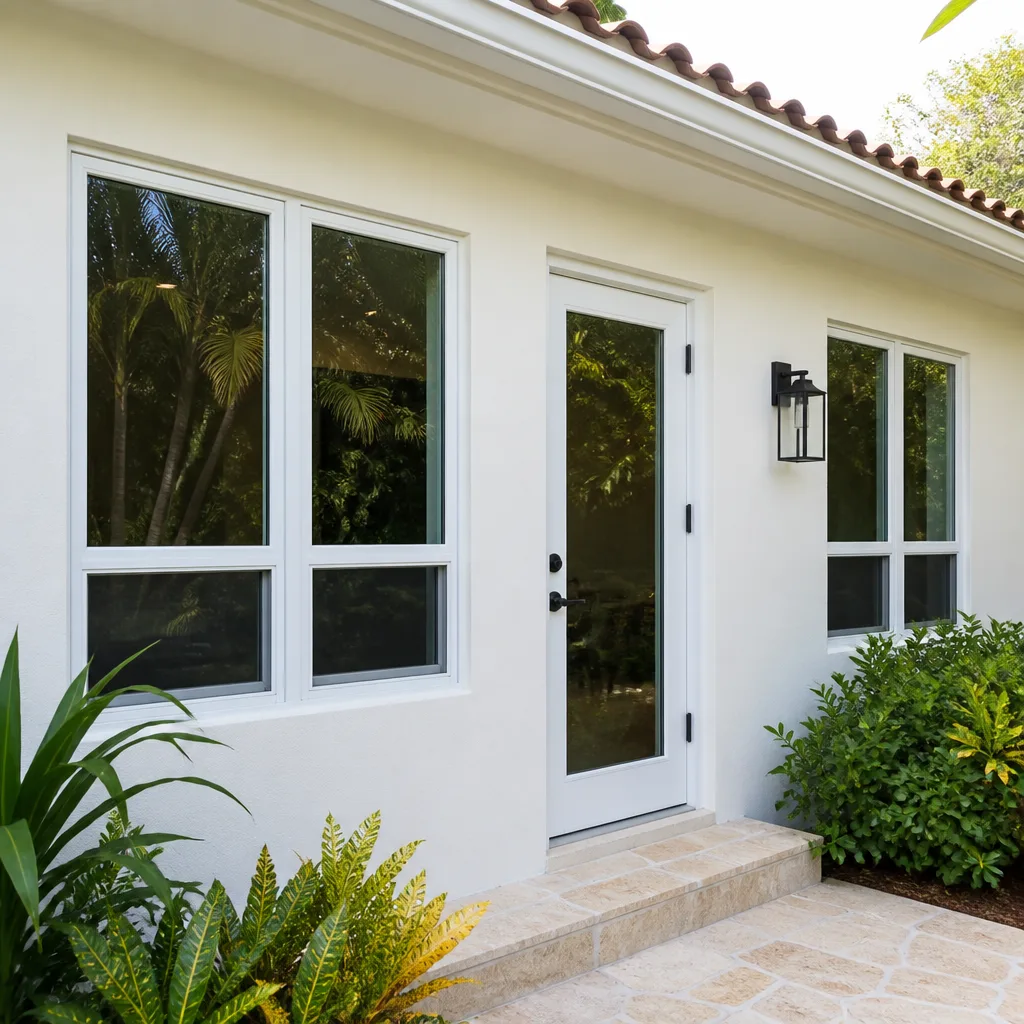 After
After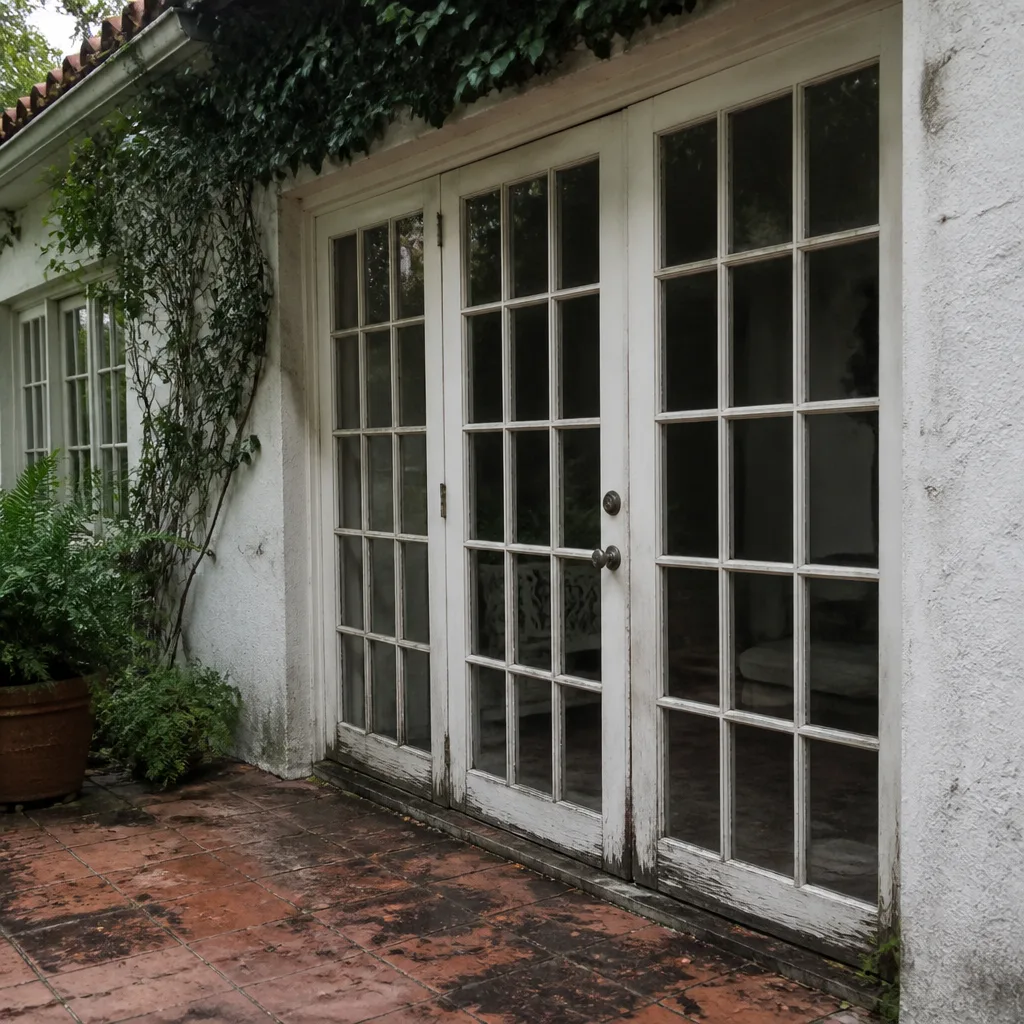 Before
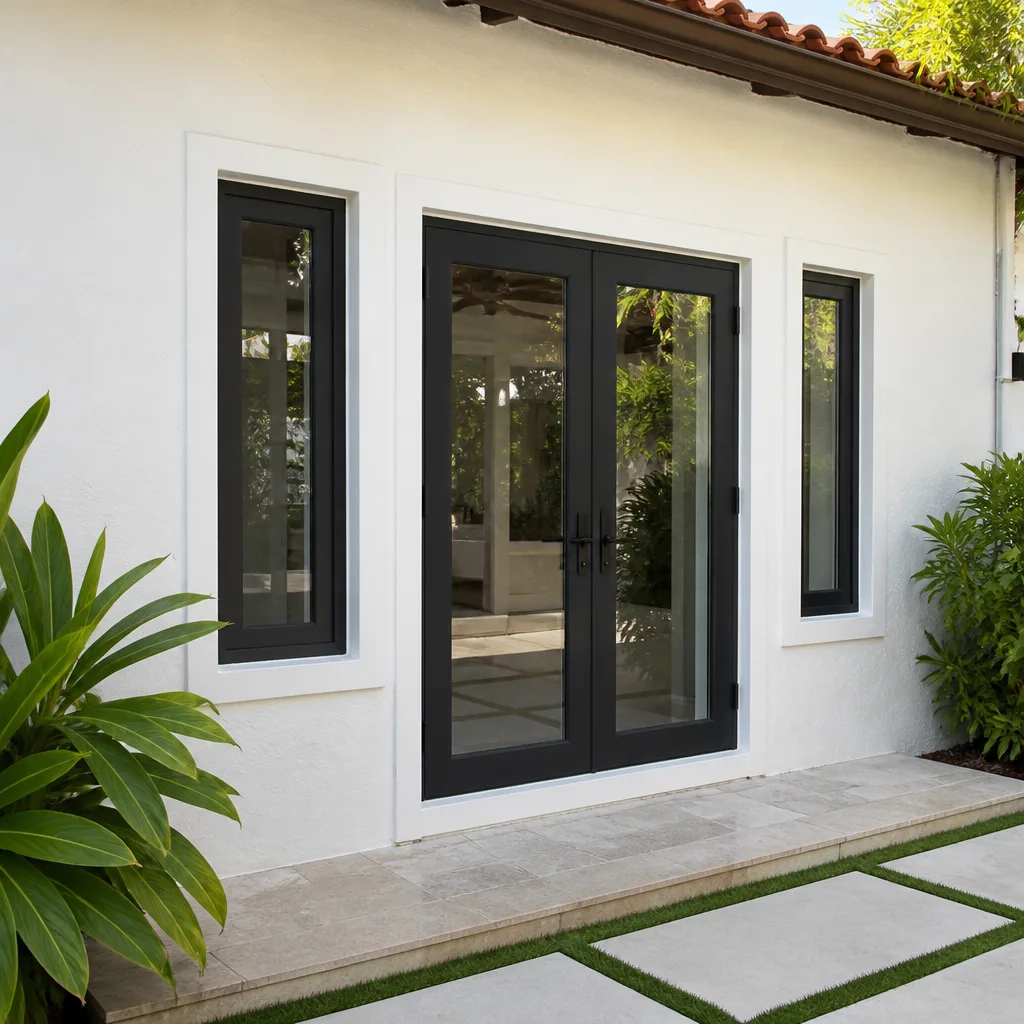 After
After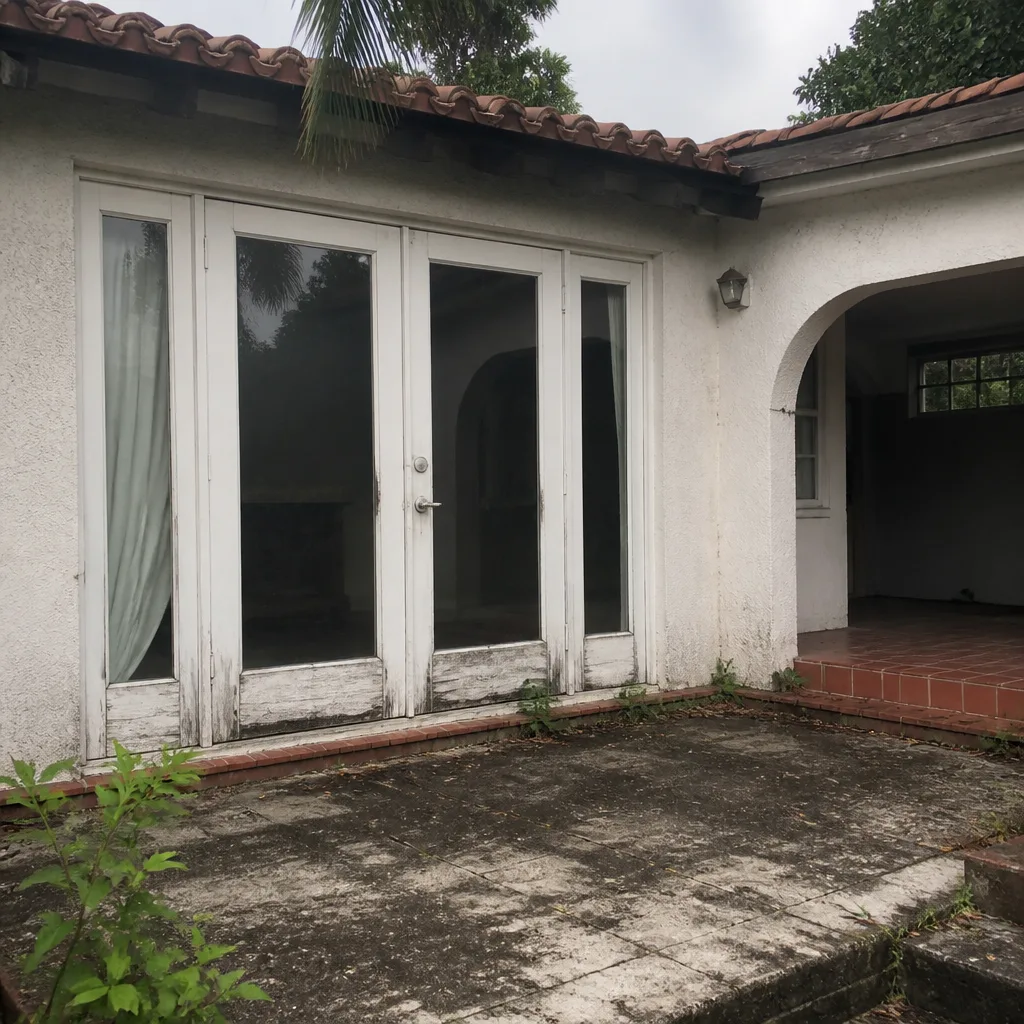 Before
 After
AfterWindows & Doors Permits, Codes & Inspections in FL: What You Need to Know
Here’s something most Florida homeowners don’t realize until the inspector is standing in their driveway: the permit for a window or door replacement can cost more than the labor of a single installation, and skipping it can void your homeowner’s insurance faster than any storm. In Coral Gables, where Mediterranean Revival homes sit next to mid-century ranches and 2000s concrete-block builds, the rules shift by zone, by product, and by hurricane rating. This guide covers what Florida actually requires, what Coral Gables enforces, what inspectors look for, and what happens when the paperwork is wrong. You’ll learn how to avoid the expensive mistakes we’ve watched homeowners make for over four decades.
Quick Answer
Most window and door replacements in Florida require a building permit, and almost all require products that meet High Velocity Hurricane Zone (HVHZ) or Miami-Dade County product approval standards. In Coral Gables, permits go through the city’s Building Division, inspections are required before you close up the wall, and unpermitted work can stall a home sale or trigger an insurance claim denial. Expect permit fees between $150 and $500 for a typical replacement project, with plan review and inspection costs added on top.
Table of Contents
- Why Florida Has Stricter Codes Than 47 Other States
- When You Need a Permit (and When You Don’t)
- Coral Gables Specific Requirements
- HVHZ and Miami-Dade Product Approvals Explained
- The Permit Process, Step by Step
- What Inspectors Actually Check
- What Permits and Inspections Cost in Florida
- Common Mistakes to Avoid
- When to Call a Professional
- Frequently Asked Questions
- The Bottom Line
Why Florida Has Stricter Codes Than 47 Other States
Florida’s building code is not a suggestion. It’s a response to Hurricane Andrew, which flattened tens of thousands of homes in 1992 and exposed construction practices that were, frankly, dangerous. In the years after Andrew, state legislators rebuilt the Florida Building Code from the ground up, and it’s now considered among the most rigorous in the country. For windows and doors, that means impact ratings, wind-load calculations, water infiltration standards, and product approval documentation that most other states have never heard of.
The short version: every exterior opening in a Florida home has to resist wind pressure, flying debris, and wind-driven rain at levels defined by where the home sits. A window that passes code in Ocala might be illegal in Coral Gables, because Coral Gables lies within the High Velocity Hurricane Zone, a designation shared only with Broward County and a handful of coastal municipalities. In practice, this means the city’s inspectors hold window and door installations to a standard that assumes a Category 5 storm could hit any year.
Dale Kessler, who founded TruePane Windows & Doors, puts it plainly: “Most homeowners think a window is a window. In Florida, a window is a structural component that has to hold the roof on and keep the house from pressurizing during a hurricane.”
We’ve watched building departments in Coral Gables reject product submissions because the Notice of Acceptance number was one digit off. That’s the level of scrutiny we’re talking about. Homeowners who’ve lived in their house for twenty years and remember Andrew, or Katrina, or Irma, understand why. The code is not bureaucratic red tape. It’s the difference between a house that sheds water and a house that loses its roof.
HVHZ and Miami-Dade Product Approvals Explained
If you live in Coral Gables, you’re in the High Velocity Hurricane Zone. This is a technical designation written into the Florida Building Code that applies to Miami-Dade County and part of Broward County. It requires windows and doors to meet stricter uplift, impact, and water-resistance standards than the rest of the state. The key document is a Miami-Dade County Notice of Acceptance, or NOA. Every window, door, skylight, and shutter installed in the HVHZ must carry a valid NOA, and the NOA must match the exact model, size, and glass configuration being installed.
Products without a Miami-Dade NOA are simply not legal in Coral Gables, no matter what the manufacturer’s marketing says. A homeowner who bought a “hurricane-rated” window online from a Texas supplier might discover, at inspection, that the product has no Florida approval at all. That means the window comes out, the new product goes in, and the homeowner pays twice.
We’ve sourced impact windows and doors from manufacturers like PGT, Simonton, and Ply Gem for years, and every line we carry is selected for its Florida approvals first. The NOA isn’t a marketing document. It’s a stamped, tested, recorded certification that tells the inspector exactly what wind pressure the product survived in a lab, and at what missile-impact speed. When you’re replacing windows in Coral Gables, that piece of paper matters as much as the glass itself.
When You Need a Permit (and When You Don’t)
The general rule in Florida: if you’re changing the size of an opening, altering the structure around it, or replacing an exterior window or door with a product that differs from the original, you need a permit. That covers most window and door replacement projects. The Florida Building Code lists certain minor repairs as exempt from permits, but the exemptions narrow significantly in the HVHZ.
Work that requires a permit in Coral Gables:
- Full window replacement, even same-size, same-style. Any change to an exterior opening requires a permit and inspection.
- Door replacement, including front doors, sliding patio doors, and garage entry doors, when the new product differs in material or impact rating from the original.
- Enlarging or moving an opening. This is structural work, period. It needs engineered drawings, a plan review, and a structural inspection.
- Installing impact windows or doors where non-impact products existed. The upgrade triggers a permit because the wall’s wind-load path changes.
- Replacing a sliding glass door with French doors or any change to the door’s operating style. The hinge and latch configuration affects the structure’s load path.
- Glass railing systems, courtyard enclosures, and any glazing within 36 inches of the floor if it’s in a guardrail or barrier position.
Work that may not require a permit:
- Glass replacement only in an existing sash or frame, where the frame stays in place and the glass itself is replaced. This falls under repair.
- Replacing weatherstripping, hardware, rollers, or locks on an existing door or window. No structural change, no permit.
- Caulking, sealing, and minor flashing repair around an existing window frame, provided the frame itself is not disturbed.
- Replacing a window screen or a screen door. Screens are not part of the building envelope.
When in doubt, call the Coral Gables Building Division. They answer the phone. We’ve watched too many homeowners do a “repair” that was actually a replacement, then try to sell the house and find out the title search flagged an unpermitted alteration. The cost of a retroactive permit is always higher than the cost of doing it right the first time.
Coral Gables Specific Requirements
Coral Gables is not just another Miami-Dade municipality. The city has its own zoning code, its own historic preservation ordinances, and its own building review process that layers additional requirements on top of the Florida Building Code. If your home is in a designated historic district, or if it’s a contributing structure in one of the city’s Mediterranean Revival neighborhoods, window and door changes may require a Certificate of Appropriateness before you even apply for a building permit.
The city also enforces strict aesthetic standards in certain neighborhoods. In areas like the French City Village, the Chinese Village, and the Biltmore section, the Architectural Review Board has to sign off on the product’s style, color, and sightlines before the Building Division will process the permit. We’ve helped homeowners in Coral Gables navigate these reviews, and the message is always the same: submit early, bring the manufacturer’s cut sheet, and expect a review cycle of two to four weeks.
Coral Gables also requires that all product documentation, including the Miami-Dade NOA, the energy performance label, and the manufacturer’s installation instructions, be attached to the permit application. Missing documentation is the number one reason permit applications stall. We assemble these documents as part of our standard process because they’re not optional, and the inspector’s office will not chase them down for you.
One more Gables-specific detail: the city has aggressive tree protection rules, and if a window or door replacement requires removing or pruning a protected tree during construction access, you may need a separate Tree Removal Permit. It’s the sort of thing a homeowner never sees coming, and it can add a week or more to the schedule.
The Permit Process, Step by Step
Here’s the flow for a typical window or door replacement in Coral Gables, from decision to final inspection. We’ve included timelines based on what we see from the city’s current review workload. Actual times vary with season and volume.
- Product selection and documentation. Choose the window or door, confirm the Miami-Dade NOA matches the exact configuration, and gather the manufacturer’s installation instructions, product approval drawings, and energy labels. If the home is in a historic district, this is also the time to check the Certificate of Appropriateness requirement.
- Permit application submission. The contractor or homeowner submits the permit application, drawings, and product documents through the Coral Gables Building Division’s online portal or in person. The application lists the scope, the product approvals, and the licensed contractor responsible for the work.
- Plan review. A plans examiner reviews the submission against the Florida Building Code and Coral Gables zoning requirements. For a straightforward same-size replacement, review may take a few days. For structural changes, expect one to three weeks.
- Permit issuance. Once approved, the permit is issued and the work can begin. The permit card must be posted on the job site, visible from the street.
- Rough inspection. For most window and door replacements, the inspector comes after the old unit is out and the new unit is set in the opening, but before the interior trim and exterior trim cover the nailing flanges, fasteners, and flashing. If the inspector can’t see it, they can’t approve it. In our experience, this is the inspection homeowners most often fail by covering too much.
- Final inspection. Once the installation is complete, including trim, caulking, and hardware, the inspector comes back for the final sign-off. This is when the permit is closed and the record reflects a compliant, permitted installation.
For whole-house window replacement in Coral Gables, we often schedule a pre-construction meeting with the inspector to walk the job before the first window comes out. It solves problems before they become stop-work orders.
What Inspectors Actually Check
Florida inspectors are not checking whether the window looks nice. They’re checking whether the product, the fasteners, the flashing, and the sealant match the approved documents, and whether the installation follows the manufacturer’s tested process. Here’s what they look at, in order of how often we see failures.
- Product approval match. The inspector reads the NOA number off the window’s label and checks it against the permit documents. Mismatched NOA equals failed inspection, full stop.
- Fastener type, size, and spacing. Impact windows and doors in the HVHZ require specific fasteners, usually stainless steel or hot-dipped galvanized, at spacing intervals defined by the NOA. A window set with the wrong screws or with fasteners too far apart will be rejected.
- Flashing and water-resistive barrier. The inspector checks that the opening is properly flashed, that the house wrap or building paper laps correctly with the new window’s nailing flange, and that there’s no path for wind-driven rain to get behind the frame. In Coral Gables, where afternoon thunderstorms are a summer constant, this matters more than most homeowners realize.
- Sealant and caulking continuity. The perimeter sealant bead must be continuous, properly tooled, and compatible with the window frame material and the wall surface. Gaps mean a correction notice.
- Egress and safety requirements. Bedroom windows must meet the Florida Building Code’s emergency escape and rescue opening requirements. If a replacement window reduces the clear opening below minimum, it fails. We measure every opening twice before the order goes in, and we’ve rarely seen a homeowner anticipate this requirement on their own.
- Structural connection at the sill and header. For replacement openings where the existing framing is compromised, the inspector may require additional blocking or a header repair before the window can be signed off.
The most common inspection failure we see in Coral Gables is not the product. It’s the flashing and fastener pattern, usually because the installer cut a corner the homeowner never sees. That’s exactly the kind of work The Keystone Standard exists to prevent: both manufacturer warranty layers registered in writing, durations stated, and a Done Right Promise that covers the workmanship if something gets flagged after the fact.
What Permits and Inspections Cost in Florida
Permit fees in Florida are set by each municipality, so what you pay in Coral Gables won’t match what a homeowner pays in Tampa or Orlando. Based on what we’ve seen from the Coral Gables Building Division, here’s a realistic breakdown for a typical window and door replacement project. These are ranges, not quotes, and the city adjusts its fee schedule regularly.
| Item | Typical Cost Range |
|---|---|
| Building permit (single opening replacement) | $150-$300 |
| Building permit (whole-house window replacement) | $400-$900 |
| Plan review fee (when required) | $100-$250 |
| Inspection fees (rough and final) | $75-$150 total |
| Certificate of Appropriateness (historic district) | $200-$600 |
| Contractor’s permit expediting and document prep | $150-$400 |
These costs are in addition to the windows and doors themselves, and in addition to installation labor. For a whole-house replacement in Coral Gables with 10 to 15 openings, homeowners should budget $1,000 to $1,500 for permits, reviews, and inspections before the first window is ordered. It’s not a number anyone likes, and it’s also the cheapest insurance against an unpermitted-construction insurance claim denial, which can cost hundreds of thousands of dollars.
Common Mistakes to Avoid
- Skipping the permit because “the window is the same size.” In the HVHZ, same-size replacement still requires a permit and inspection. The city will find out eventually, usually when you try to sell the house in Coral Gables and the title search flags unpermitted work.
- Buying windows online without checking the NOA. A product card that says “hurricane rated” means nothing if the unit doesn’t carry a valid Miami-Dade County Notice of Acceptance. If the inspector can’t verify the approval, the window comes out.
- Hiding the fasteners and flashing before the rough inspection. The inspector needs to see how the window was anchored and flashed. Once the trim and stucco go on, there’s no way to verify the work. Call the inspection first, trim second.
- Ignoring the Certificate of Appropriateness in a Coral Gables historic district. The Building Division won’t issue the permit without the architectural review sign-off when the property is in a designated district, and the review board meets on its own schedule.
- Choosing a contractor who doesn’t pull the permit in their own name. Florida law requires the licensed contractor performing the work to pull the permit. A contractor who asks the homeowner to pull the permit is usually unlicensed, and unlicensed work carries no warranty protection and no legal recourse.
- Assuming a standard homeowner’s insurance policy covers unpermitted work. After a storm, an adjuster will look for the permit records. If the windows were replaced without permits, the claim can be denied outright. We’ve seen it happen in Coral Gables, and the homeowner rarely has any recourse.
- Ordering custom windows before the permit is approved. If the city flags a product during plan review, the custom order is already in production and can’t be returned. Submit first, order second.
When to Call a Professional
A homeowner can legally replace a window in Florida if they pull the permit, follow the manufacturer’s installation instructions to the letter, and pass inspection. In practice, that rarely ends well. We’ve been called to redo homeowner-installed windows in Coral Gables where the product was sound but the flashing leaked, the fasteners were wrong, and the inspector had already issued a stop-work order. The windows had to come back out, the wall repaired, and the job redone at twice the cost of doing it right the first time.
Call a licensed contractor when the project involves more than one or two openings, when the home is in a historic district, when structural work is required, or when you simply don’t want to spend your weekends reading flashing details and fastener schedules. TruePane Windows & Doors offers free estimates in Coral Gables. Call (954) 507-3613, and a live person answers the phone every time.
Frequently Asked Questions
Yes, in most Florida municipalities, including Coral Gables, any exterior window replacement requires a building permit, even if the new window is the same size as the old one. Replacing only the glass within an existing sash typically does not require a permit, but replacing the entire window unit does. If you’re unsure about your specific project, call the Coral Gables Building Division directly to confirm. For a fast answer, call (954) 507-3613 and we’ll tell you what the city requires for your address.
A Miami-Dade Notice of Acceptance (NOA) is the official product approval document that certifies a window or door has been tested and approved for use in the High Velocity Hurricane Zone. In Coral Gables, every exterior window and door must carry a valid NOA matching the exact product configuration installed. Without it, the inspector will fail the installation and the product must be removed. We only specify manufacturers like PGT, Simonton, and Ply Gem whose NOA documentation is current and verifiable.
For a typical replacement project in Coral Gables, permit fees generally fall between $150 and $500, with whole-house replacements running $400 to $900, plus plan review and inspection costs if required. Historic district properties in Coral Gables may also require a Certificate of Appropriateness from the Architectural Review Board, which carries its own fee. Call (954) 507-3613 for an exact breakdown based on your project scope. Estimates are free.
Unpermitted window replacement can trigger a stop-work order, a fine, and a requirement to obtain an after-the-fact permit, which costs more and may require opening up the wall to confirm the installation. If you sell the house in Coral Gables, the title search will likely flag the unpermitted work and the buyer’s lender may refuse financing until it’s resolved. If you file an insurance claim for storm damage and the adjuster finds the windows were unpermitted, the claim can be denied. The risk is not worth the savings.
For a straightforward same-size window replacement, Coral Gables Building Division plan review usually takes a few days to a week, and inspections are scheduled within a day or two of request. For structural changes or historic district properties, the process can stretch to three to six weeks because of architectural review requirements. We tell our Coral Gables clients to expect two to four weeks from permit application to final inspection for a typical whole-house replacement.
The permit type is the same, but the documentation requirements are stricter. Impact windows in Coral Gables must carry a Miami-Dade NOA proving they meet the HVHZ Missile Impact and cyclic pressure testing standards, and the inspector will verify the NOA number on the product label against the permit. Standard non-impact windows may be permitted in some limited situations, but most Coral Gables replacement work moves toward impact-rated products because of insurance premium savings and resale value.
The Bottom Line
Windows and doors in Florida are regulated like structural systems because that’s what they are. In Coral Gables, the combination of HVHZ product approval requirements, city zoning review, historic preservation rules, and rigorous inspection standards means the paperwork matters as much as the installation. The homeowner who understands the process, budgets for permits and inspections, and works with a licensed contractor who does the job to code will pass inspection the first time and never think about it again. The homeowner who skips the permit will eventually deal with it, usually at the worst possible moment and always at a higher cost. If the pane is not true, the job is not done, and in Florida, that includes the paperwork.
When you’re ready to talk about your windows and doors, call TruePane Windows & Doors at (954) 507-3613 for a free estimate. We’re in Coral Gables, we’ve been serving these communities since 2008, and a live person answers the phone 24 hours a day, 7 days a week. We stand behind it.
Written by Dale Kessler, Owner at TruePane Windows & Doors, serving Coral Gables since 2008.
Six Reasons Homeowners Choose TruePane Windows & Doors
Impact systems engineered to design pressures up to +/-100, matched to your wind zone - your openings hold when the storm arrives.
Low-E insulated impact glass from our manufacturer lines commonly cuts monthly cooling bills 20-30%.
Laminated impact glass shuts out up to 40% of outside noise - traffic, neighbors, weather.
Monitoring services run $30-90 a month. Laminated impact glass resists forced entry around the clock, with no subscription.
Florida homeowners average around 25% savings on the windstorm portion of their policy after protecting every opening - some homes qualify for more.
A full impact package upgrades curb appeal, buyer confidence and appraised value in one project.