
Last updated August 27, 2026
Free in-home measure and quote - PGT, CGI and CWS impact lines compared on your actual openings, style by style
Sliding glass doors
Impact garage doorsPGTCGI
 Before
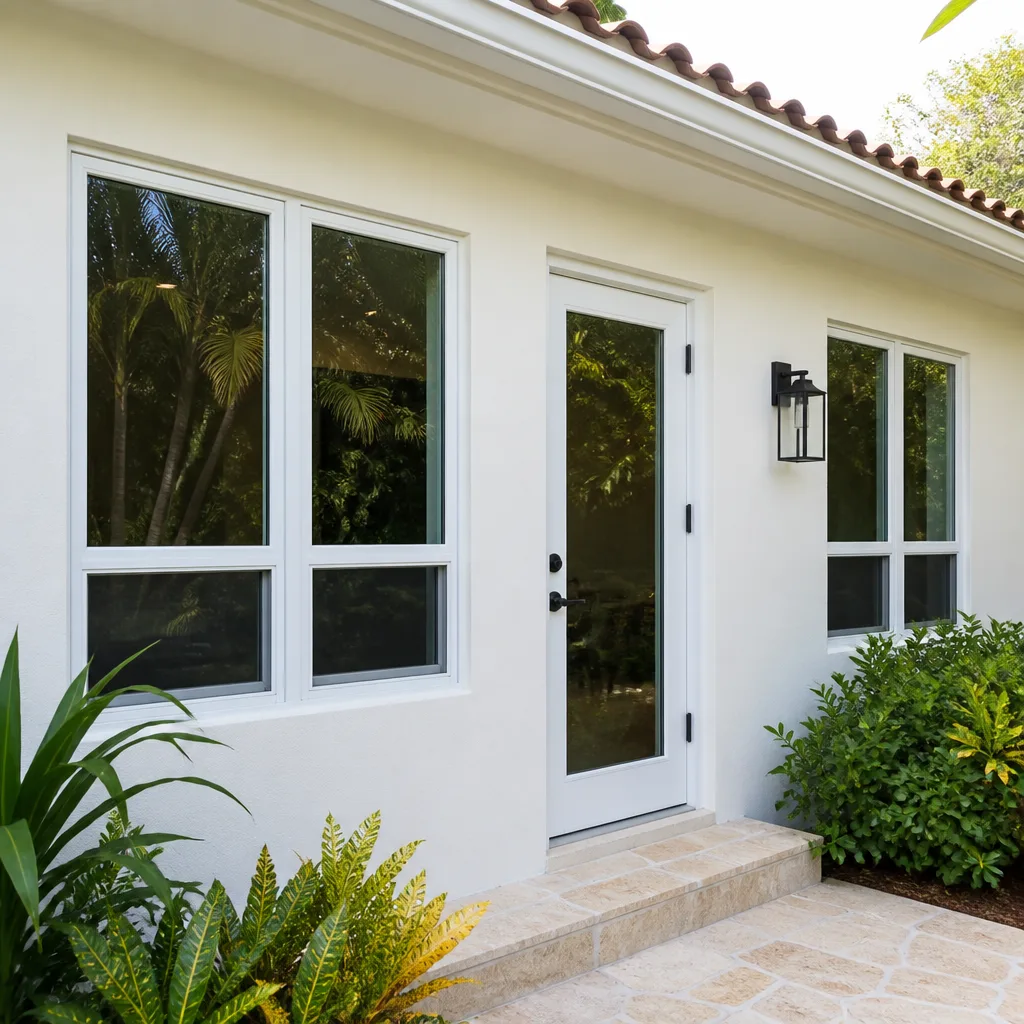 After
After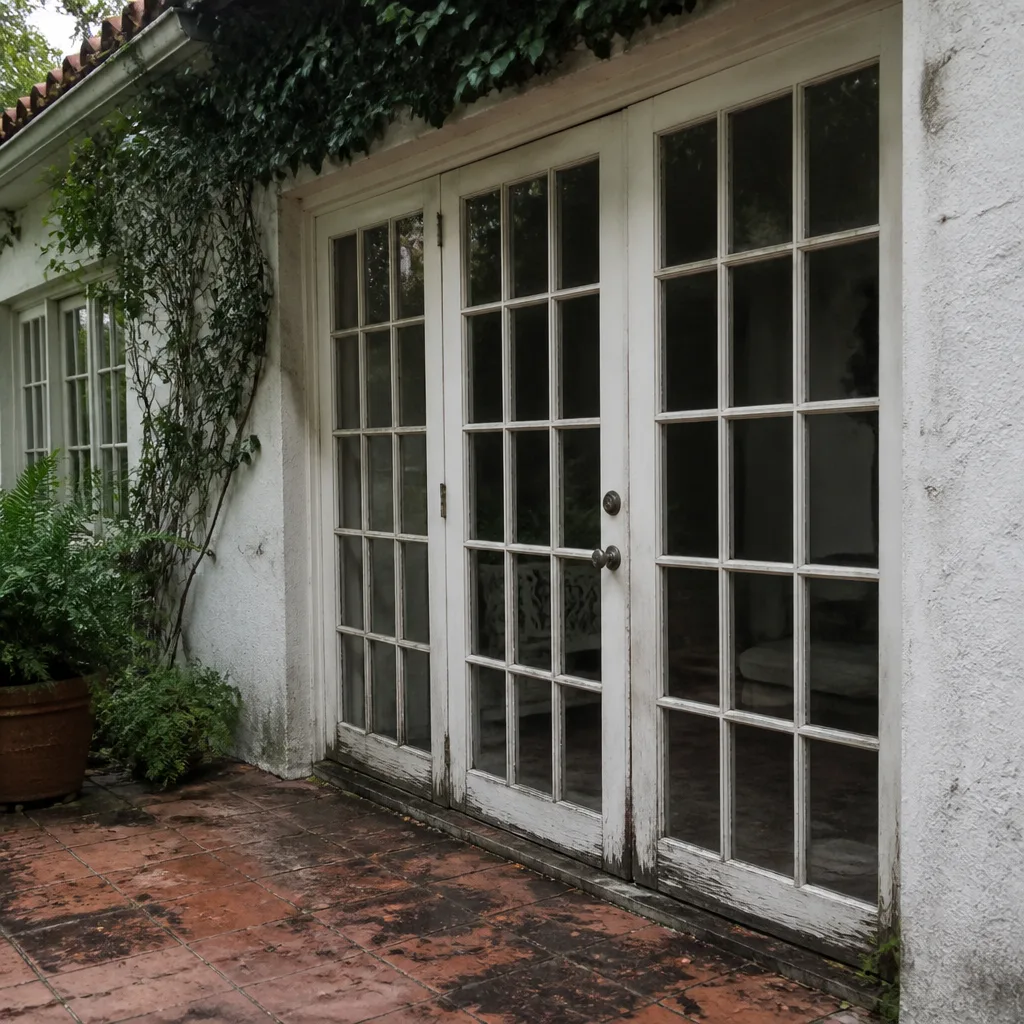 Before
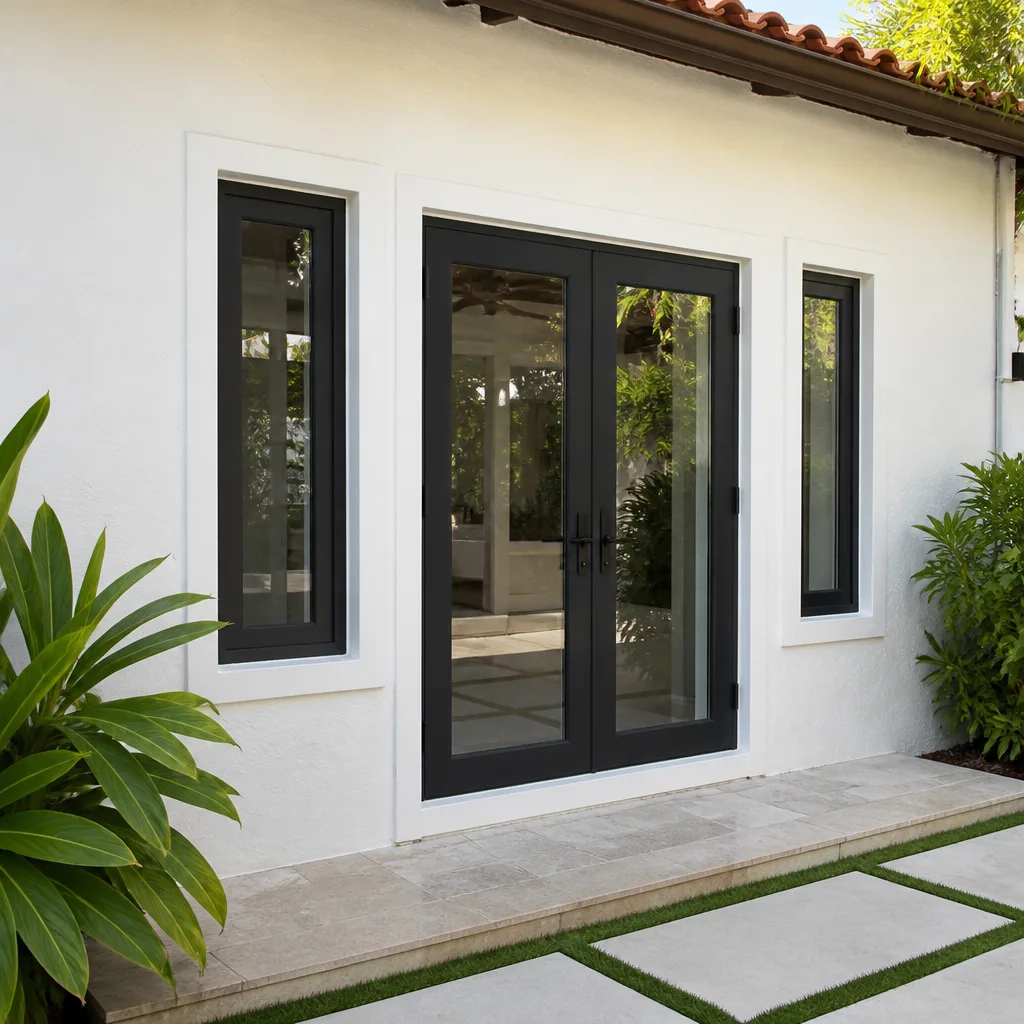 After
After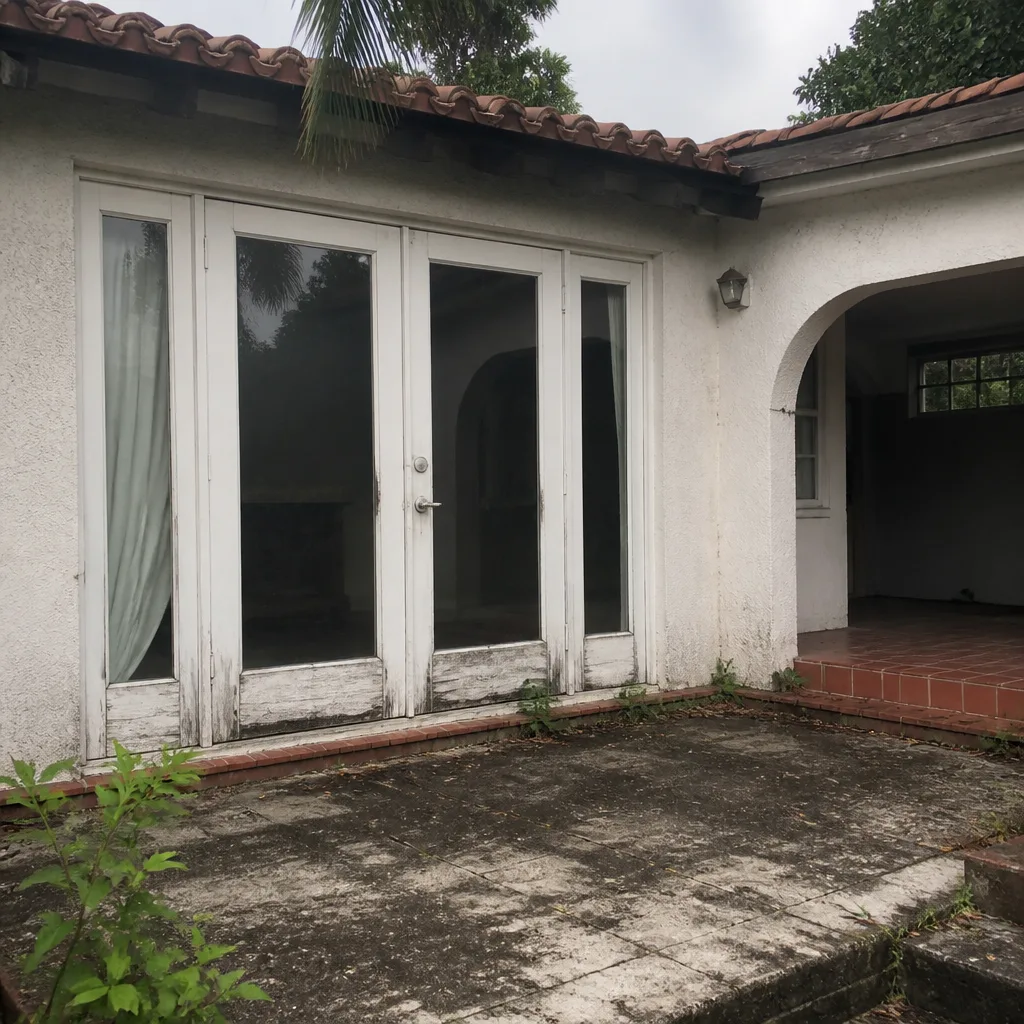 Before
 After
AfterWindows & Doors Warning Signs: A Coral Gables Homeowner’s Reference Guide
Most homeowners in Coral Gables don’t replace a window because they want to. They replace it because something started failing quietly, months or sometimes years before they noticed. A hairline crack along a sill, a door that only binds in August, condensation that shows up between two panes of glass and never quite goes away. The truth is, windows and doors talk. They give warning signs long before they fail outright, and learning to read those signs is the difference between a simple repair and a five-figure replacement. This guide walks through the warning signs that matter most in South Florida’s climate, what they mean, and when they’re worth acting on.
Quick Answer
The most common window and door warning signs in Coral Gables are fogging between glass panes, difficulty opening or closing, drafts you can feel near the frame, visible rot or warping on wood components, and rising energy bills without another explanation. Any one of these is worth investigating, and two or more together usually means the unit is nearing the end of its service life.
Table of Contents
- Fogging and Condensation Between Panes
- Drafts and Air Leakage
- Windows and Doors That Stick, Drag, or Won’t Latch
- Water Stains, Rot, and Termite Clues
- Impact Glass and Hurricane Code Warning Signs
- Energy Bills Creeping Up Without Explanation
- Noise, Sun Damage, and Fading
- When Age Alone Is a Warning Sign
Fogging and Condensation Between Panes
If you’ve got a window in your Coral Gables living room that looks foggy no matter how many times you wipe the inside surface, the problem isn’t dirt. It’s a failed seal. Double-pane and triple-pane windows are built with a sealed air space between the glass layers, and that seal is what keeps insulating gas in and humid outside air out. Once the seal fails, moisture creeps in, condenses on the glass, and leaves a haze you cannot clean away because it’s on the inside of the unit.
We see this constantly in older Coral Gables homes, especially ones built in the 1970s and 1980s when double-pane windows were first becoming standard. The average seal life is somewhere between ten and twenty years depending on the manufacturer and how much direct sun the unit gets. Windows on the west side of a house, the side that takes the full brunt of afternoon Florida sun, tend to fail first. Heat makes the glass expand and contract, and over time that movement stresses the seal until it gives.
What fogging tells you is that the window has lost part of its insulating value. It will never perform as well as it did, even if the cosmetic haze doesn’t bother you all that much. The good news is that for many window lines, including Jeld-Wen and Simonton units, a failed seal can be addressed with what’s called an IGU replacement, which is industry shorthand for insulated glass unit. You keep the frame, and the glass assembly gets swapped out. It’s a fraction of the cost of a full window replacement and usually takes less than a day.
The number to remember: if the fog is between the panes, it’s a seal failure. If the condensation is on the room side of the glass, that’s a humidity issue inside the house, and it’s worth looking at ventilation before you spend money on glass.
Drafts and Air Leakage
Drafty windows are the warning sign most homeowners notice but also the one they most often talk themselves out of. You feel a warm breeze near the window in July and think, well, it’s Miami. What do I expect? But a properly sealed and installed window should not let air through when it’s closed and locked. If you can feel air moving around the perimeter of a closed window or door, something has failed: weatherstripping, sash seals, or in the worst case, the installation itself.
In Coral Gables, drafts cost you twice. They let hot humid air in during the long cooling season, which makes your air handler work harder and run longer. And they let conditioned air out, which means you’re paying to cool the landscaping. The Department of Energy has estimated that windows account for roughly 25 to 30 percent of residential heating and cooling energy use, and a significant portion of that is leakage around frames and sashes rather than through the glass itself.
The simple test is to hold a lit incense stick or a thin piece of tissue near the window frame on a breezy day. If the smoke wavers or the tissue moves, you have an air leak. On older wood windows in Gables neighborhoods like Riviera and Country Club, we often find that the weatherstripping has long since compressed flat, and the sash no longer seats tightly against the frame. On newer windows, drafts usually mean the install was out of square or the unit itself has warped.
Weatherstripping is replaceable and inexpensive. A warped frame or a failed installation is a bigger problem, and patching weatherstripping over it won’t fix the underlying issue. If you’ve replaced weatherstripping within the last few years and still feel a draft, the conversation needs to move to the window itself or the way it was set in the opening.
Windows and Doors That Stick, Drag, or Won’t Latch
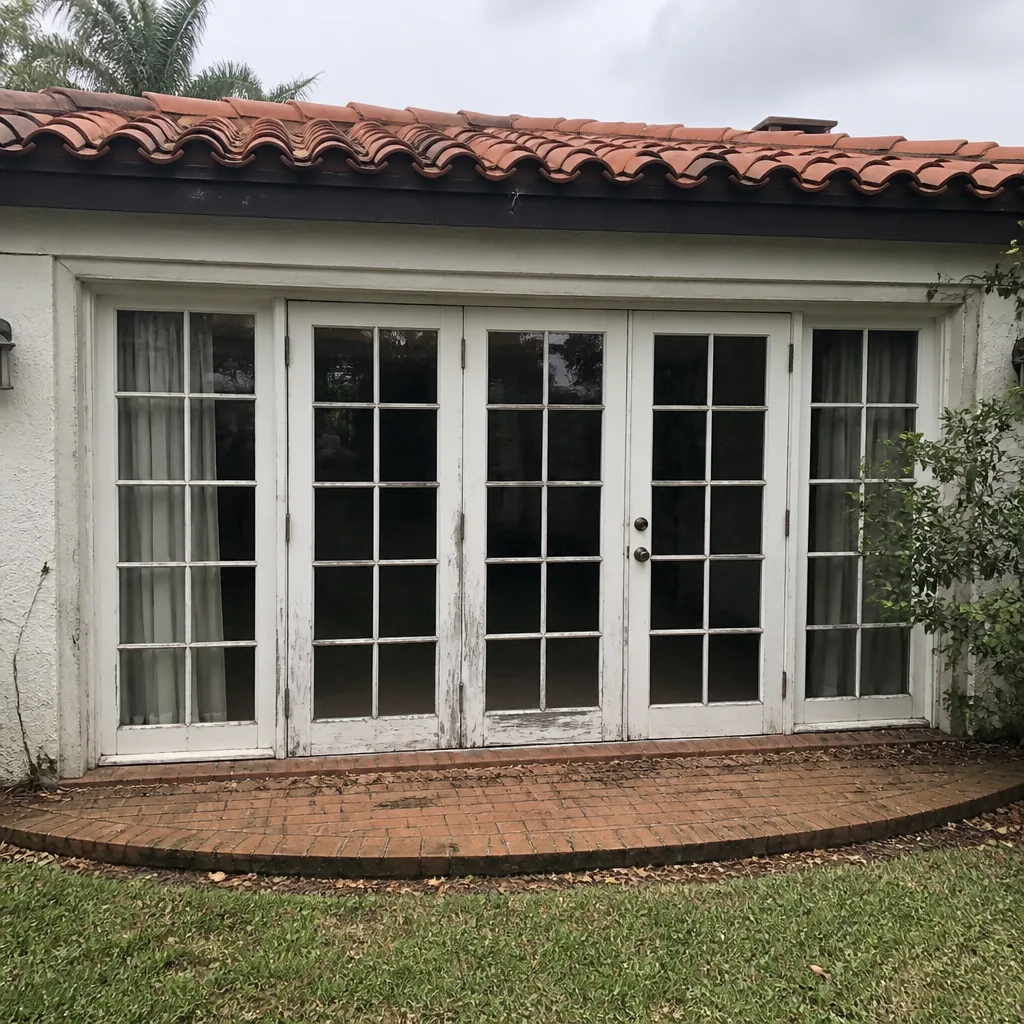
In our experience serving TruePane Windows & Doors home customers across Coral Gables, the most common call we get this time of year is about doors that suddenly won’t close right. A French door to the patio that scrapes the floor. A front door that needs a shoulder to seat the deadbolt. A window that’s been painted shut for a decade, or one that slides halfway and then grabs.
Some of this is seasonal. Wood swells in humidity, and South Florida has more of it than almost anywhere in the country. A door that sticks in August but operates fine in January may simply be a wood door doing what wood does. But there’s a difference between a little seasonal snugness and a door that has shifted permanently. If the problem shows up and never goes away, or if you can see daylight around the edges of a closed door, that’s not humidity. That’s a frame that’s out of square, hinges that are pulling, or a slab that has warped beyond adjustment.
Here’s the sequence we follow, and it’s a good one for any homeowner to know:
- Check the hinge screws first. Loose or stripped screws let the door sag, and the fix is cheap.
- Look at the reveal, the gap between the door edge and the frame. It should be even, roughly an eighth of an inch, all the way around. A door that’s tight at the top latch side and wide at the bottom is sagging.
- Test the latch. If the deadbolt no longer lines up with the strike plate without lifting the door, the door has moved in the frame.
- On sliding windows and doors, check the rollers. Worn rollers make the unit drag, and forcing it chews up the track.
Windows that won’t open at all are more than a nuisance; in some cases they’re a safety problem. A bedroom window that’s painted shut or stuck closed is a second-egress issue. When the weather warm, being unable to open a window reduces ventilation and can make a room feel stale and humid. Ply Gem and PGT both make modern replacement windows with tilt-in sashes and easy-glide hardware that operate with two fingers, which is a level of usability that older windows simply don’t have.
Water Stains, Rot, and Termite Clues
Water stains around a window or door frame are the warning sign you should never ignore, because they mean water has been getting where it shouldn’t, and it’s been doing it long enough to leave a mark. In Coral Gables, where summer storms can drop an inch of rain in an afternoon, a window that leaks even a little bit during a driven rain is a problem waiting to become a much bigger one.
Start by looking at the drywall around the window and the wall below it. Stains that appear after a heavy storm point to a leak in the window flashing or the sealant bead around the exterior trim. Stains that grow slowly over time, even during dry weather, may indicate a plumbing leak in the wall. Either way, the damage compounds, because moisture in a wall cavity feeds mold and softens framing lumber.
On wood window and door frames, look for soft spots. Press gently with a screwdriver handle along the bottom of the frame and the sill. If the wood gives, or if paint is blistering and peeling in one concentrated area, that’s rot. In coastal South Florida, rot around windows usually starts where water pools on a sill or where a screen track traps debris against the wood. It’s also worth knowing that wood rot and termite damage often look similar, and termites are drawn to damp wood. If you find soft, crumbling wood around a window frame, have it identified before you repair it. You don’t want to patch over termite damage and call it done.
Here’s what to check, in order of importance:
- Interior drywall stains around the window or door opening, especially below corners
- Exterior caulking that’s cracked, pulled away from the frame, or missing entirely
- Wood trim that feels soft or spongy, or paint that’s bubbling
- Any sign of fine sawdust or mud tubes below a wood window, both of which are termite indicators
The fix depends on where the water is entering. Caulking can be scraped out and replaced in an afternoon. Flashing problems require removing the exterior trim and sometimes the window itself. Rot repair on a wood window is often possible if it’s caught early, but once rot gets into the wall framing, you’re looking at a much larger job.
Impact Glass and Hurricane Code Warning Signs
Coral Gables sits in a high-velocity hurricane zone, and the building code here is serious about impact protection. Homes built or substantially remodeled after the mid-1990s are generally required to have either impact-rated windows and doors or code-approved shutters. If your home has impact glass, there are a few specific warning signs to watch for.
First, check the labels. Impact-rated glass carries a permanent marking, usually etched into a corner of the glass, that identifies the manufacturer, the impact standard it meets, and often the product line. If you can’t find a label, or if the label has been painted over or scraped off, you may not have impact glass at all. Some homes have standard windows with a film applied, which is not the same thing and does not meet code as a stand-alone solution.
Second, check the condition of the laminate layer. Impact glass is made with a plastic interlayer sandwiched between two panes, and that interlayer is what holds the glass together if something hits it. If you see a window with a crack that has spread but the glass has stayed in place, the impact layer did its job, and the unit needs replacement but not emergency boarding. If you see the glass beginning to separate from the interlayer along the edges, that’s a sign the unit is aging and may not perform as rated.
Third, check the installation. Impact protection only works if the window or door is anchored correctly to the surrounding structure. We’ve removed impact windows in Coral Gables that were set with a few dabs of sealant and whatever screws were in the truck. That’s not a code-compliant installation, and it’s not something a visual inspection from the street will catch. If your impact windows are newer but you have gaps between the frame and the rough opening, or if the frames flex when you press on them, get the install looked at by someone who knows the current Florida Building Code.
For homeowners with PGT or CGI impact products, the good news is that these manufacturers build their frames and glass assemblies to work as a system. But they only perform as a system if the installer set them square, plumb, and anchored according to the product’s written installation instructions. If you’re not sure whether your windows are actually impact-rated, the glass label is the first place to look, followed by the permit paperwork from when they were installed.
Energy Bills Creeping Up Without Explanation
Rising energy costs get blamed on a lot of things: the utility company, the heat, the old air conditioner. But if your usage has gone up without a matching change in the weather or your habits, look at the windows and doors. Single-pane glass, aluminum frames without thermal breaks, and worn-out seals all let heat in and force your cooling system to run longer cycles.
Aluminum-framed windows are common in older Coral Gables homes, and they’re notorious for conducting heat. Touch an aluminum window frame on the west side of the house at 4:00 in the afternoon in August, and it will feel warm to the touch. That frame is acting as a heat radiator, transferring outside heat directly into the room. Newer window designs use materials like vinyl or fiberglass or thermally broken aluminum, which interrupt that heat path and make a measurable difference.
Energy efficiency in windows is measured with two numbers, and they’re worth knowing before you shop:
- U-factor measures how well the window insulates against heat flow. Lower is better, and in South Florida, a U-factor of 0.40 or lower is a good target.
- Solar Heat Gain Coefficient (SHGC) measures how much solar heat the window lets through. Lower is better for cooling climates, and a SHGC of 0.25 or lower performs well in Coral Gables.
If your current windows are single-pane, you’re looking at a U-factor of around 1.0 or higher, which means they insulate about as well as an open window with a screen. Moving to a modern double-pane unit with low-E glass typically cuts heat gain through the glass by half or more, and that shows up directly on the electric bill. One caveat: if you’re replacing windows for energy savings, make sure the rest of the house is doing its part. An uninsulated attic or a leaky duct system will eat whatever savings the windows produce.
Noise, Sun Damage, and Fading
Two warning signs that don’t show up on a utility bill are noise and fading. If you live on a busy Coral Gables street and the sound of traffic has gotten noticeably louder over the years, it may not be that traffic increased. It may be that your windows were never designed to block much sound in the first place, or that their seals have degraded to the point where they let more noise through.
Single-pane windows block very little sound. Double-pane windows with mismatched glass thicknesses, or with laminated glass, block considerably more. If you’re replacing windows in a noise-sensitive location, ask about STC ratings. A standard double-pane window will have an STC around 26 to 28. A window with laminated glass can push into the mid-30s, which is a meaningful difference for the human ear.
Fading is a quieter warning sign, and it’s one that hits people who didn’t think they had a window problem. UV light streaming through old clear glass bleaches fabrics, fades wood floors, and ages furniture unevenly. If the rug under your south-facing window is a different color than the rug in the hallway, the glass is doing very little to filter UV. Modern low-E coatings block a substantial portion of UV rays, which is why newer windows are one of the cheapest ways to protect interior furnishings. And before you ask, yes, the light still comes through. Low-E glass cuts the harmful portion of the spectrum, not the visible light you actually want.
In our experience, fading is also one of the most common reasons Coral Gables homeowners finally decide to replace windows they’ve been nursing along for years. It’s not a dramatic problem. It’s a slow, steady, undeniable one.
When Age Alone Is a Warning Sign
Most windows are not designed to last forever, and in South Florida’s climate, they age faster than they would somewhere milder. The combination of intense sun, salt air near the coast, high humidity, and hurricane-force wind events takes a toll on frames, seals, and hardware that a window in a temperate climate never faces.
Here’s a general age guide for window types common in Coral Gables:
| Window Type | Typical Service Life | Watch For |
|---|---|---|
| Aluminum single-pane | 20 to 30 years | Corrosion at corners, failed glazing tape, warped sashes |
| Vinyl double-pane | 25 to 35 years | Seal failure, sash sag, brittle weatherstripping |
| Wood double-pane | 20 to 30 years with maintenance | Rot at sills, paint failure, termite damage |
| Impact-rated (any frame material) | Generally 25+ years, but seals may fail sooner | Interlayer separation, anchor corrosion |
If your windows are within five years of the bottom of their expected range, plan ahead. The best time to replace windows in South Florida is before they fail, not after. You’ll have more product options, more flexibility on scheduling, and you won’t be making decisions under the pressure of a leak or a hurricane watch.
One more thing worth knowing: replacement windows in Coral Gables trigger the current building code, which means any new window must meet today’s wind load and impact requirements. That’s not a penalty. It’s a feature. The code has gotten stricter since your old windows went in for good reason, and modern impact-rated units are vastly better products than what was available twenty-five years ago.
Common Mistakes to Avoid
- Ignoring a fogged window because it still opens and closes. A failed seal means the unit has lost insulating performance, and the longer it goes unreplaced, the more likely the frame absorbs moisture and deteriorates.
- Caulking over rotting wood and calling it fixed. Caulk seals air gaps, but it does not restore structural integrity. If the wood underneath is soft, the rot continues behind the caulk.
- Replacing the glass but keeping a warped or out-of-square frame. In Coral Gables, where corrosion and humidity attack frames, the frame and the glass should be evaluated together. New glass in a bad frame is a short-lived repair.
- Choosing the cheapest replacement window to save money up front. A poor-quality window set poorly will cost more over its shorter life than a mid-grade window installed correctly the first time.
- Assuming a window with a crack is no longer providing impact protection. Impact glass is designed to crack but stay in place. However, once cracked, it does need replacement, and the protection it offers is reduced until it’s swapped.
- Waiting until hurricane season to think about window replacement. Installers book out weeks in advance during peak season. The time to address window problems in Coral Gables is the dry season, when the weather cooperates and scheduling is flexible.
- Judging a window’s condition by looking at the interior side only. The exterior side of the frame, the sealant bead, and the weep holes tell you more about how the window is aging than the side you see from the couch.
When to Call a Professional
Some window and door problems are obvious and urgent: water pouring through a closed window during a storm, an impact window that’s cracked through the laminate, a door that won’t latch at all. Others are slower and easier to rationalize away. The rule we tell homeowners is simple: if a warning sign has been there for more than a season, stop watching it and get it looked at. Most window and door issues do not improve on their own.
Call a professional when the window is fogged between panes, when drafts persist after weatherstripping replacement, when wood is soft or termites are suspected, when the glass carries an impact label you can’t verify, or when the windows have simply outlived their expected service life. TruePane Windows & Doors offers free estimates in Coral Gables. Call (954) 507-3613 and we’ll send a background-checked technician to measure, inspect, and give you a written quote with no pressure and no surprise line items.
Frequently Asked Questions
A standard window replacement in Coral Gables typically runs between $600 and $1,800 per window installed, depending on size, frame material, glass package, and whether impact-rated glass is required. A glass-only IGU replacement for a failed seal is often less, usually in the $250 to $600 range per unit. Call (954) 507-3613 for an exact quote, estimates are free.
That depends on the age and condition of the frame. A fogged window with a solid frame under fifteen years old is usually a good candidate for glass replacement, which costs a fraction of a full window swap. A fogged window twenty-five years old with a worn frame is better served by replacement. Call (954) 507-3613 and we’ll give you an honest read.
If you’re replacing windows, the current Florida Building Code generally requires impact-rated products or code-approved shutters for any new installation in high-velocity hurricane zones, which includes Coral Gables. If you’re not replacing, you’re not required to upgrade. Call (954) 507-3613 to talk through what the code means for your specific house.
Impact windows in the Coral Gables climate generally last twenty-five years or more, but the glass seals can fail sooner, usually in the ten-to-twenty-year range. The frames and laminate layer hold up well; it’s the insulating seal that gives out first. Call (954) 507-3613 to schedule a seal inspection.
Most sticking doors can be repaired. Hinge adjustments, strike plate repositioning, and roller replacements solve the majority of cases we see in Coral Gables. Replacement is warranted when the door slab itself has warped or the frame is so far out of square that adjustment won’t bring it back. Call (954) 507-3613 and ask about our maintenance check.
Yes, if your current windows are single-pane or have failed seals. Moving to double-pane low-E glass with a U-factor of 0.40 or lower and SHGC of 0.25 or lower can cut heat gain through the glass by half or more, which reduces cooling load. Call (954) 507-3613 for a no-pressure energy assessment.
The Bottom Line
Windows and doors fail gradually in Coral Gables, and the warning signs are there long before the failure becomes obvious. Fog between panes, drafts, doors that stick, water stains, rising bills, and fading fabrics all point toward the same conclusion: these components have a service life, and yours may be nearing the end of it. The good news is that early attention saves money. Glass replacement costs less than full window replacement. Rot repair caught early costs less than wall framing repair. A door adjusted now costs less than a door replaced in August. If you’ve noticed any of the warning signs in this guide, call (954) 507-3613. We’ve been serving Coral Gables since 2008, and we stand behind every job we do.
Written by Dale Kessler, Owner at TruePane Windows & Doors, serving Coral Gables since 2008.
Six Reasons Homeowners Choose TruePane Windows & Doors
Impact systems engineered to design pressures up to +/-100, matched to your wind zone - your openings hold when the storm arrives.
Low-E insulated impact glass from our manufacturer lines commonly cuts monthly cooling bills 20-30%.
Laminated impact glass shuts out up to 40% of outside noise - traffic, neighbors, weather.
Monitoring services run $30-90 a month. Laminated impact glass resists forced entry around the clock, with no subscription.
Florida homeowners average around 25% savings on the windstorm portion of their policy after protecting every opening - some homes qualify for more.
A full impact package upgrades curb appeal, buyer confidence and appraised value in one project.