
Free in-home measure and quote - PGT, CGI and CWS impact lines compared on your actual openings, style by style
Sliding glass doors
Impact garage doorsPGTCGI
 Before
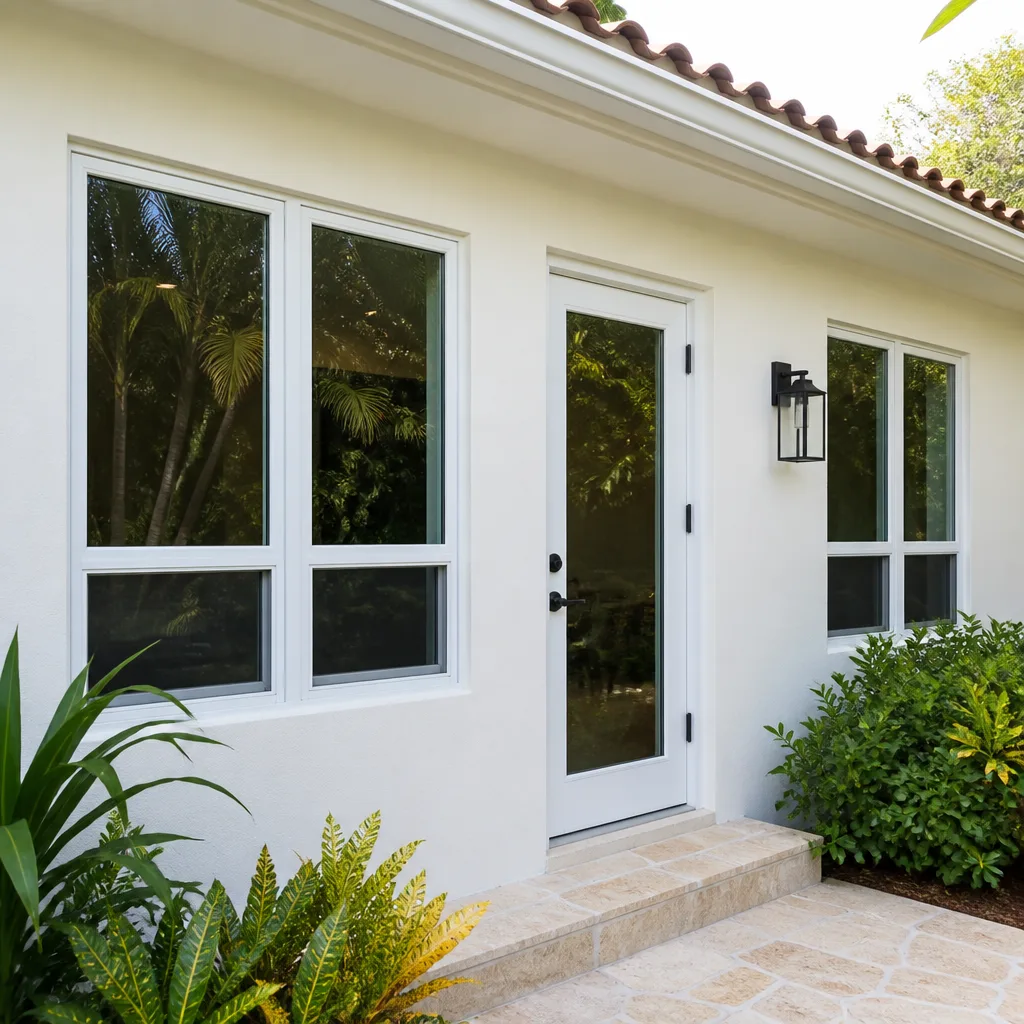 After
After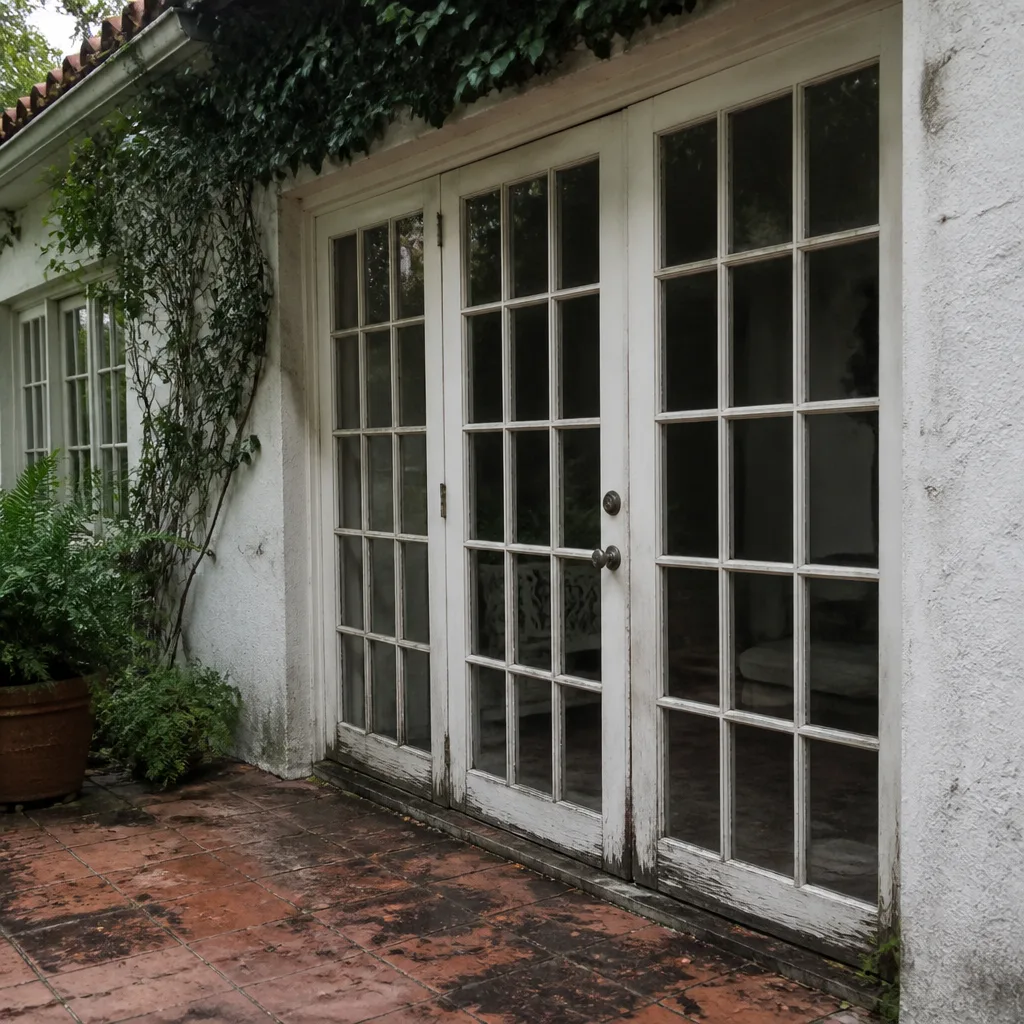 Before
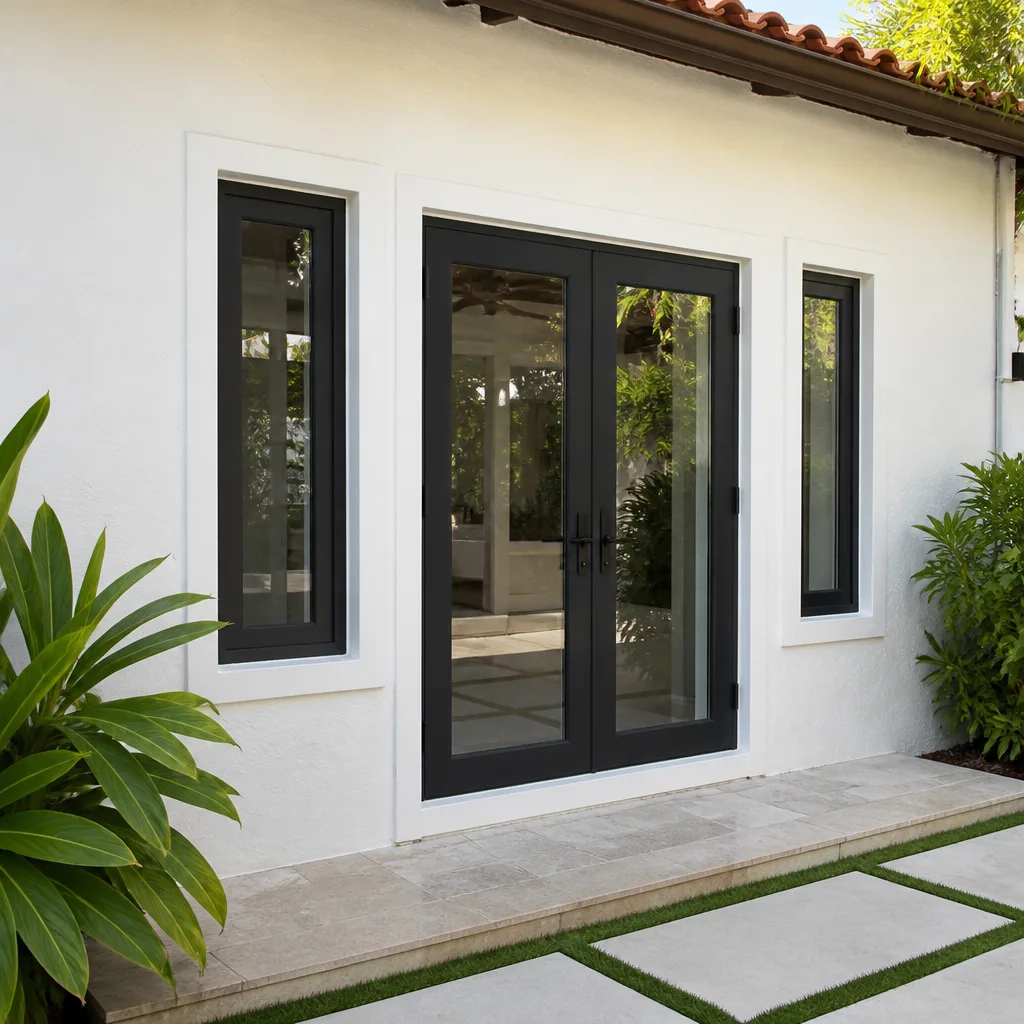 After
After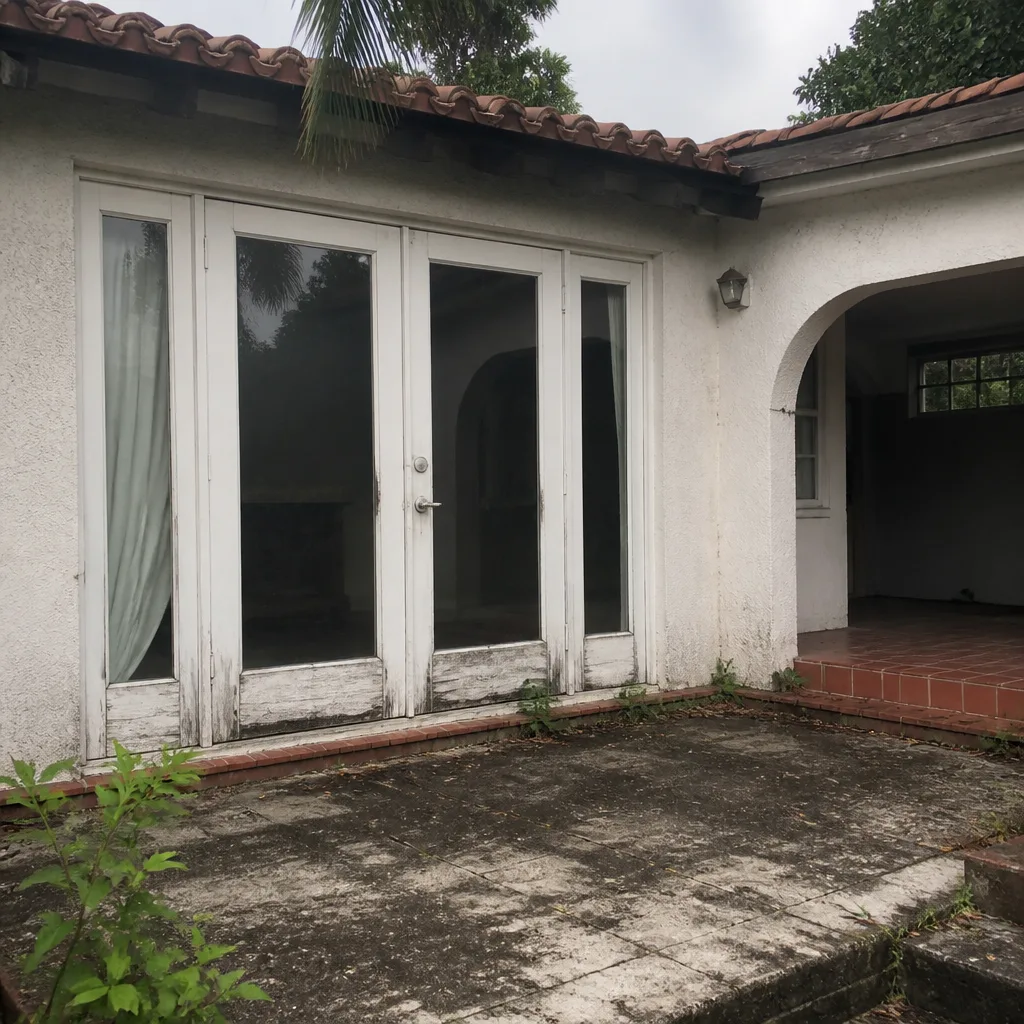 Before
 After
AfterHow to Measure a Window for Replacement in Coral Gables: The Numbers That Actually Matter
To measure a window for replacement, you need three numbers: the width and height of the rough opening, taken from the inside edges of the frame at three separate points each, plus the depth of the opening from the interior drywall to the exterior stucco. Write down the smallest width and smallest height, not the average. In Coral Gables, that depth measurement matters more than it does almost anywhere else in Florida, because 1920s and 1930s masonry walls run thicker than modern framing and the wrong depth will leave you with a window that sits proud of the stucco or buried inside it.
If you’d rather hand the tape measure to someone who does this every week, we’ll come out and measure for free. Call (954) 507-3613 and a live person answers, day or night.
Why Measuring in Coral Gables Is Different from Measuring Anywhere Else
Coral Gables is the only city in South Florida where every exterior window replacement has to clear two separate gatekeepers before the first screw comes out of the frame. Miami-Dade County’s High-Velocity Hurricane Zone rules require a Notice of Acceptance, or NOA, on every unit. That part is true countywide. But Coral Gables layers its own Board of Architects review on top, and that board enforces the city’s 1920s Mediterranean Revival character with real authority. We’ve watched code-compliant impact windows get flagged for frame widths, muntin patterns, and finish colors that didn’t match the original elevation. Standard white vinyl, which passes everywhere else in the county, is effectively dead on arrival in most Coral Gables neighborhoods.
What that means for measuring: you aren’t just measuring a hole in a wall. You’re measuring an opening that has to accept a window capable of passing both a structural review and an aesthetic review. That affects frame depth, reveal, and even the way we order muntin configurations to match the original steel casement profiles common in the city’s older homes.
What You’re Actually Measuring
Start inside, not outside. Use a metal tape measure, not a cloth one. You’re looking for the rough opening, which is the space between the framing studs, not the visible glass. On an older masonry home in Coral Gables, that often means measuring between the interior casing edges, because the original window may be set in a deep jamb with plaster returns.
Take the width at the top, middle, and bottom. Take the height at the left, middle, and right. Record all six numbers. The replacement window is sized off the smallest width and the smallest height, because a window only fits if it clears the tightest point. Then measure the depth, from the inside face of the interior trim to the outside face of the exterior stucco or sheathing. On a Mediterranean Revival house from the 1920s, that depth can run six to ten inches, sometimes more, because the walls are solid concrete block or coral rock, not wood studs with a cavity.
One of our technicians, who trained under Dale Kessler and measures every opening twice before ordering anything, has a rule he repeats on nearly every Coral Gables job: “Measure the depth three times, because you only get to be wrong once.” He means it. A window ordered at the wrong depth either sits too far out and breaks the stucco reveal, or too far in and leaves an interior gap that has to be shimmed and cased more than it should.
The Board of Architects Problem You Can’t Measure with a Tape
Here’s what the generic measuring guides don’t tell you. You can take flawless measurements and still end up with a window that Coral Gables makes you pull out. The Board of Architects reviews the product, not just the opening. They look at the frame profile, the finish, the muntin pattern, and whether the whole assembly respects the original architectural intent of the house.
That’s why measurement in Coral Gables includes a step nobody writes about in DIY articles: measuring what the existing window looks like, not just how big it is. We photograph the original casements, note the frame width, the muntin bar profile, and the color before we ever order a replacement. Then we match it. On homes where the original steel casements are still in place, that often means ordering custom aluminum windows through lines like ES Windows or CGI, specified to replicate the slender sightlines the Board expects. It costs more than a stock vinyl unit from a big-box store, and it’s the only way the job gets approved the first time.
If it is not in writing, it is not a guarantee. That’s why we put the Board of Architects compliance path in the quote, so the homeowner knows before they sign what the approval process looks like.
Step-by-Step: How to Measure a Window for Replacement
- Clear the area. Move curtains, blinds, or furniture back far enough to reach all four corners with a tape.
- Measure the width in three places. Top, middle, bottom, from inside edge of the jamb to inside edge of the jamb. Use the smallest number.
- Measure the height in three places. Left, middle, right, from the sill to the top jamb. Use the smallest number.
- Measure the depth. This is the one people skip. It runs from the interior trim face to the exterior stucco face. On Coral Gables masonry homes, expect anywhere from six to ten inches.
- Note the existing window’s profile. Frame width, muntin pattern, finish color. Photograph it. This matters for Board of Architects review in Coral Gables more than it does anywhere else.
- Note the condition of the surrounding wall. Look for cracks in the stucco, water staining below the sill, and rust on steel casement frames. Those affect how much repair work has to happen before the new window goes in.
- Write everything down. Exact fractions, not approximations. A sixteenth of an inch matters when you’re ordering a custom aluminum unit with an eight-week lead time.
After you’ve got the numbers, the real decision starts. A replacement window in a Coral Gables masonry home often requires more than a stock unit. Salt air from Biscayne Bay corrodes hardware and seals faster than inland installations, so we specify marine-grade finishes on frames and stainless hardware as standard practice. A cheaper window with a standard finish will show pitting in its hardware within a few years that close to the water.
What a Coral Gables Measurement Tells You About Cost
Measurements drive cost in ways that surprise people. A standard single-hung opening in a wood-frame house is straightforward. A 1920s arched opening in coral rock is not. The arch has to be templated, not measured with a tape. The frame depth has to be specified exactly. The finish has to clear the Board. None of that shows up on a generic measuring guide.
Here’s a realistic range for what we see in Coral Gables, based on the measurements and the review path:
| Window Type | Typical Installed Range (Coral Gables) | What the Measurement Affects |
|---|---|---|
| Standard impact single-hung (vinyl, non-historic district) | $900-$1,600 per opening | Width, height, depth, squareness |
| Custom aluminum casement, replica profile for Board review | $2,200-$4,200 per opening | Muntin pattern, frame width, finish, depth against masonry |
| Arched-top window requiring templating | $3,000-$6,000 per opening | Arch radius, spring line, jamb depth, masonry condition |
| Full replacement including stucco repair and sill work | $1,800-$3,200 per opening | Wall thickness, existing flashing, water intrusion signs |
These are installed ranges, not product-only prices. The spread reflects what the measurements reveal: a square opening with standard depth prices differently from an out-of-square masonry opening that needs custom sizing and stucco work. We quote manufacturer lines side by side on paper so you can see exactly what you’re paying for, and both warranty layers get registered in writing before our truck leaves your driveway. That’s what we mean by a square deal.
If you’re weighing repair against replacement, the measurements usually settle the question. A rotted wood sash in an otherwise sound masonry opening can sometimes be rebuilt. A corroded steel casement from 1930 that’s out of square by three-eighths of an inch is a replacement, not a repair. We’ll tell you which one you have after we look at the numbers, not before.
Common Measuring Mistakes We See on Coral Gables Jobs
Most of our work in Coral Gables starts with a homeowner who already measured, ordered a window, and then found out it wouldn’t pass review or wouldn’t fit the depth of the wall. The mistakes are consistent:
- Measuring to the visible glass instead of the jamb edge. The rough opening is always larger than the glass. Measuring to the glass gives you a window that’s too small.
- Averaging three width measurements instead of using the smallest. An average hides an out-of-square opening. The smallest number is the only one that matters for fit.
- Skipping depth entirely. This is the one that kills Coral Gables jobs. A standard 3¼-inch frame depth in a wall that needs 6½ inches means a window that sits wrong, period.
- Ordering a stock window before checking Board of Architects requirements. Code-approved is not the same as Coral Gables-approved. We’ve seen homeowners pull a Miami-Dade permit, install a fully NOA-certified window, and then get flagged for a finish color. You can’t un-install that cheaply.
- Using a cloth tape. It stretches. Use a metal tape. A sixteenth of an inch is enough to change a custom order from a clean fit to a callback.
Dale Kessler grew up measuring storefronts and sidelights around the Miracle Mile with his father before he was old enough to carry the caulk gun unsupervised. That’s the standard we work to. We measure every opening twice, quote every option in writing, and we don’t leave until the window holds plumb and passes a water test. If the pane is not true, the job is not done.
When to Hand This to a Pro
You can measure a simple, square, non-historic window yourself and get close enough. But if you’re in Coral Gables and the house was built before 1950, or the opening is arched, or the frame depth exceeds five inches, or you’re in a neighborhood where the Board of Architects takes an active interest, the measurements are only the beginning. The approval path, the material selection, and the installation technique all matter as much as the tape numbers.
That’s where Window Installation done right matters. We’ve been setting windows in Coral Gables long enough to know what the Board will ask for before they ask for it, and we order to match. If you’d rather have the measurements done by someone who’s already been through the review process a hundred times, Window Installation in Coral Gables is what we do every week. We’ll come out, measure every opening, photograph the existing profiles, and put the whole plan on paper before you spend a dollar.
FAQs
Measure the width and height from the inside edges of the frame at three points each, write down the smallest numbers, and measure the depth from the interior trim to the exterior stucco. Skip the depth and you’ve got a window that won’t sit right in the wall.
Measure from the inside, because the rough opening is framed from the interior and the jamb edges are cleaner and easier to read. Exterior measurements are useful for confirming depth, not for sizing the unit.
Yes. Every window has to carry a Miami-Dade NOA for the High-Velocity Hurricane Zone, and in most of Coral Gables it also has to clear the Board of Architects, which reviews frame profiles, finishes, and muntin patterns against the city’s Mediterranean Revival standards. That’s why the measuring process includes photographing the original windows, not just recording dimensions.
It depends on what the measurements and a close look at the frame reveal. A sound opening with a failed seal can often be reglazed. A corroded steel casement or an out-of-square masonry opening is a replacement. Call (954) 507-3613 and we’ll tell you straight which category yours falls into.
If you’d rather have your windows measured by someone who’s been doing it in Coral Gables for over four decades, call (954) 507-3613. No charge for the assessment, no pressure to sign, and a live person answers every time.
Written by Dale Kessler, Owner, TruePane Windows & Doors at TruePane Windows & Doors, serving Coral Gables, FL.
Six Reasons Homeowners Choose TruePane Windows & Doors
Impact systems engineered to design pressures up to +/-100, matched to your wind zone - your openings hold when the storm arrives.
Low-E insulated impact glass from our manufacturer lines commonly cuts monthly cooling bills 20-30%.
Laminated impact glass shuts out up to 40% of outside noise - traffic, neighbors, weather.
Monitoring services run $30-90 a month. Laminated impact glass resists forced entry around the clock, with no subscription.
Florida homeowners average around 25% savings on the windstorm portion of their policy after protecting every opening - some homes qualify for more.
A full impact package upgrades curb appeal, buyer confidence and appraised value in one project.