
Free in-home measure and quote - PGT, CGI and CWS impact lines compared on your actual openings, style by style
Sliding glass doors
Impact garage doorsPGTCGI
 Before
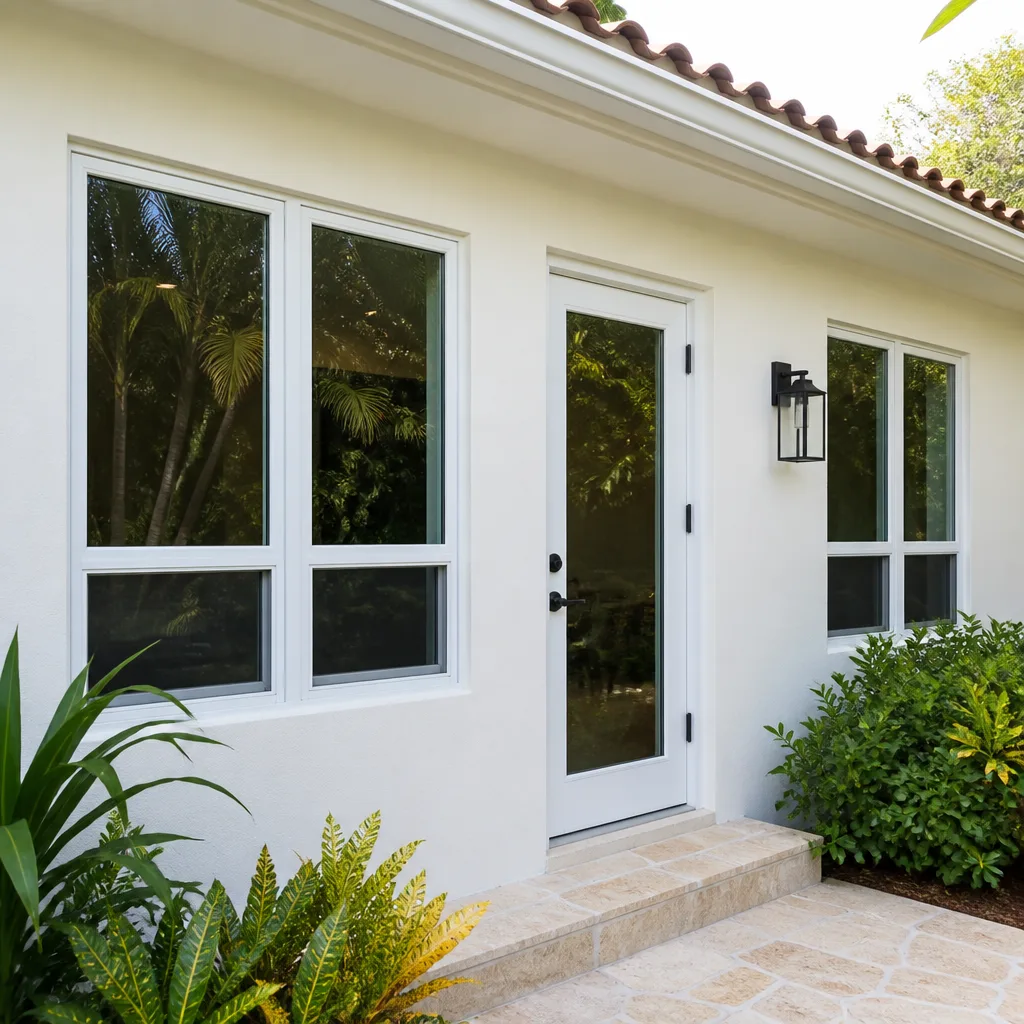 After
After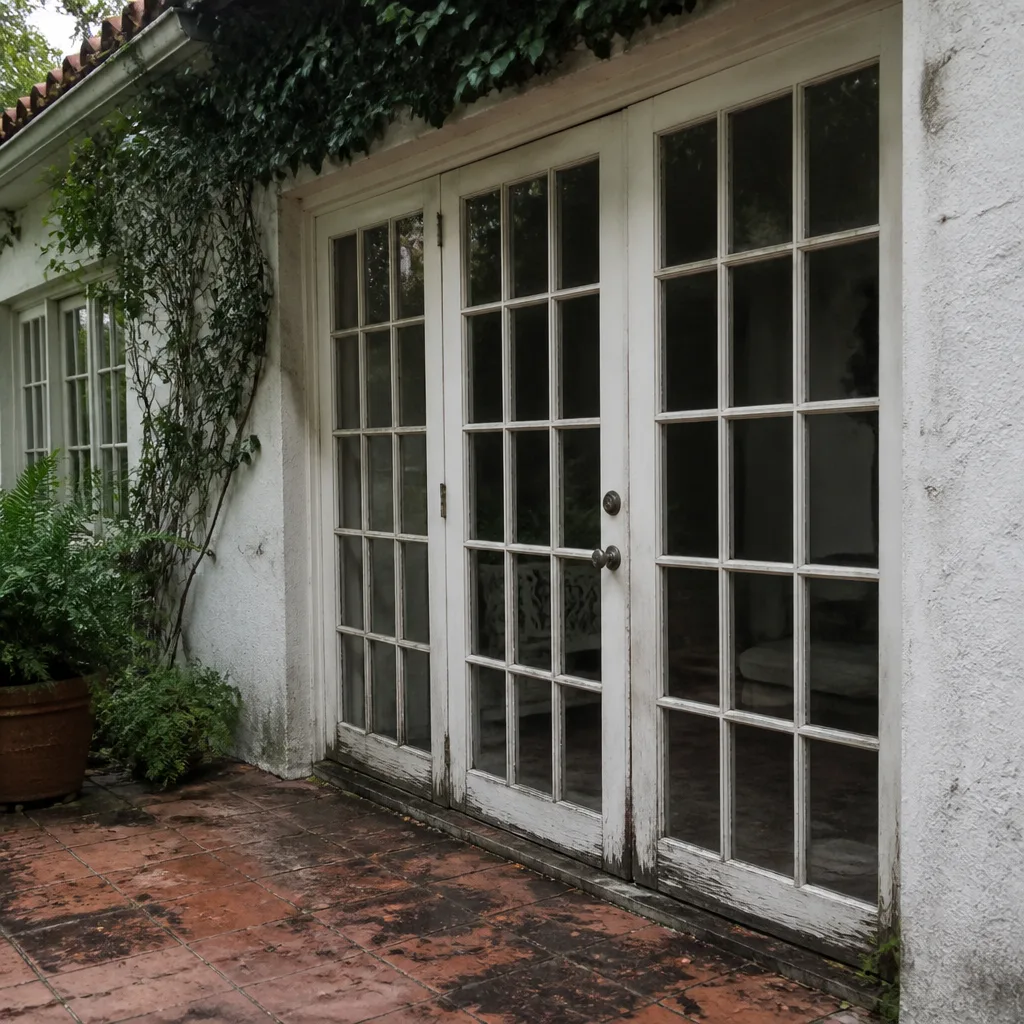 Before
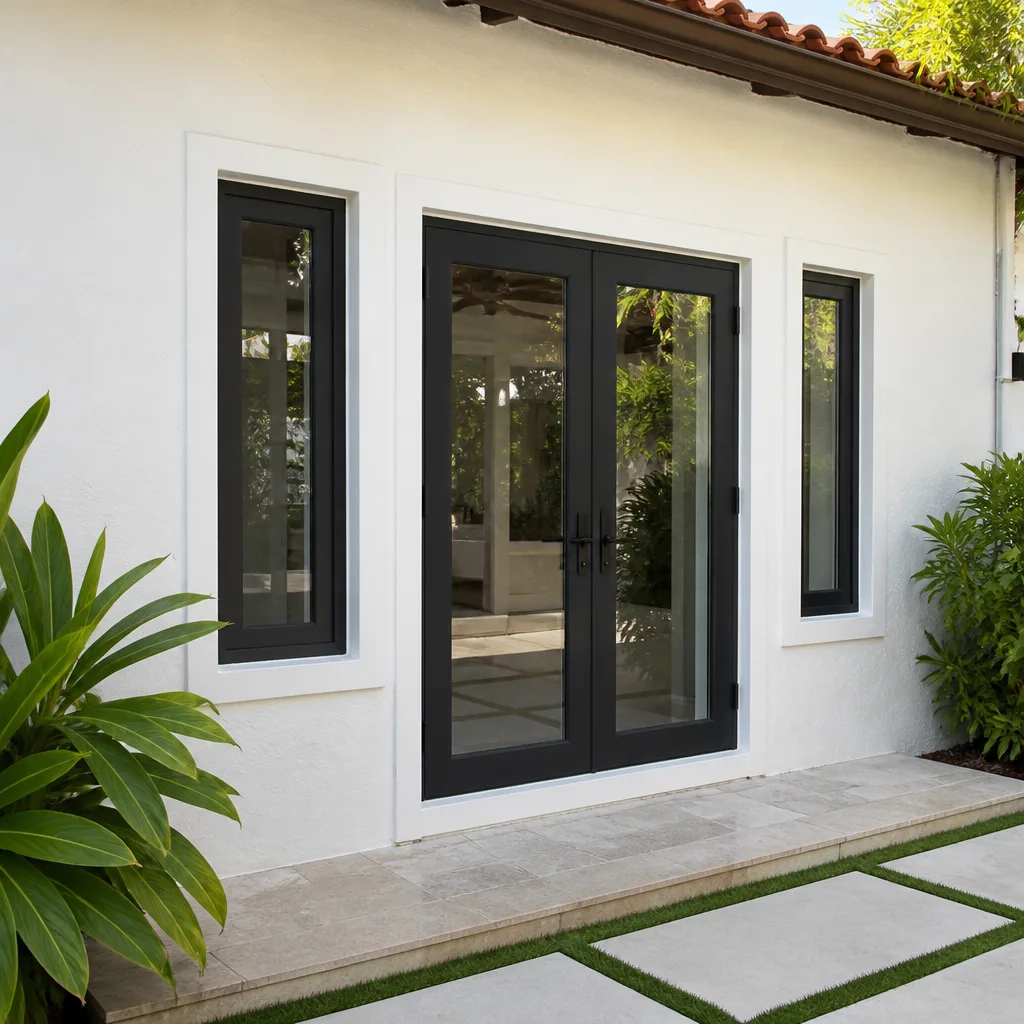 After
After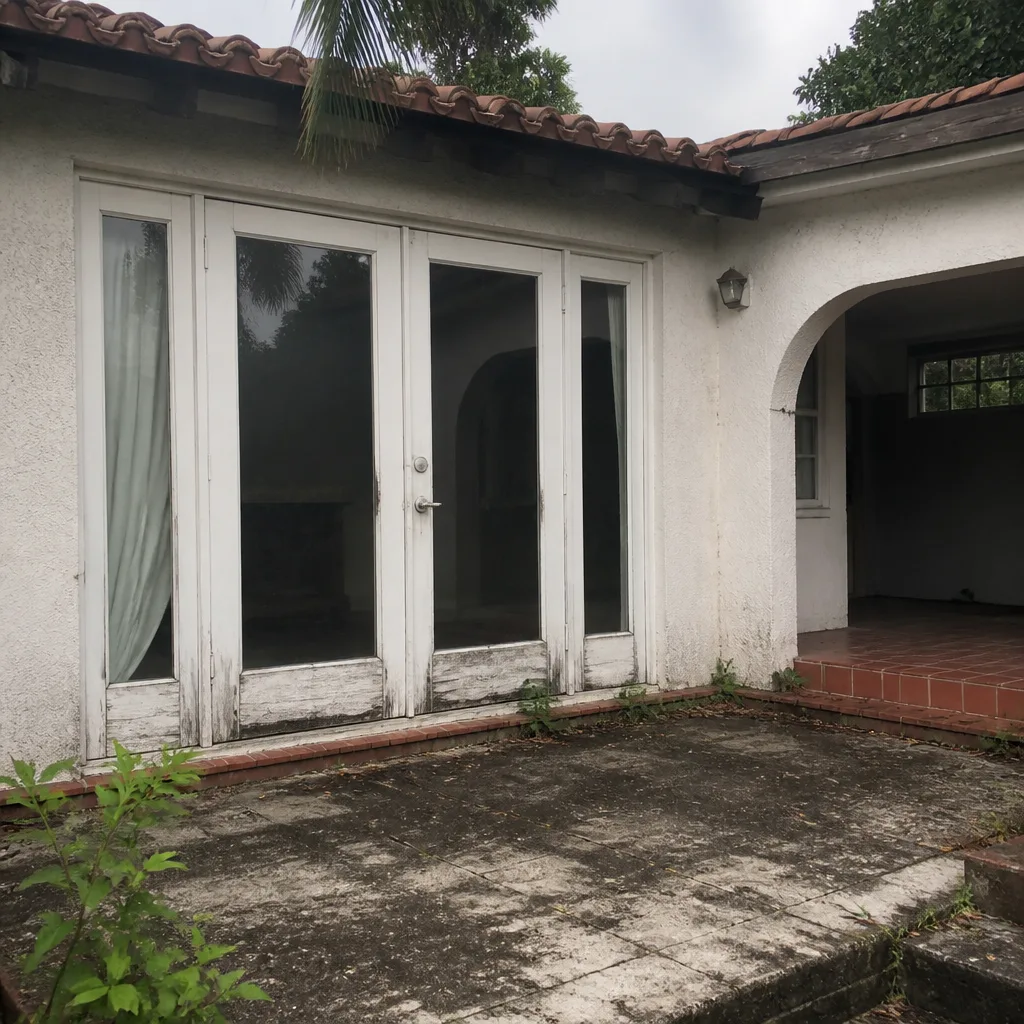 Before
 After
AfterWhat Is Low-E Glass? A Straight Answer for Coral Gables Homeowners
Low-E glass is window glass with a microscopically thin, transparent metallic coating that reflects heat back to its source while letting light pass through. In Coral Gables, that coating is doing two jobs at once: bouncing South Florida’s solar heat off the pane before it gets inside, and hanging onto your air-conditioned air instead of letting it bleed back out. If you’re deciding whether it’s worth the cost on a house built in the 1940s with original single-pane windows, the short version is yes, and here’s the practical side of it. (954) 507-3613 is the number to call if you want to talk specifics.
How It Works, Without the Physics Lecture
Low-E is short for low emissivity. Emissivity is a material’s habit of radiating heat away from itself. Ordinary window glass has a high emissivity, so whatever heat touches it, it sends back into the room or out toward the yard. A low-E coating changes that habit.
Held up against your house, the coating sits on the inside face of the outer pane. It reflects long-wave infrared heat back where it came from. In July, that means the sun’s heat bounces back outside. In January, the heat your furnace generated bounces back inside. Visible light passes through almost untouched, which is why a good low-E window doesn’t look tinted unless a tint was added as a separate feature.
The coating is applied at the glass factory, baked onto the surface as a fraction of a micron, roughly a thousandth the thickness of a human hair. You won’t feel it with a fingertip, and you won’t peel it off with a razor blade. If someone offers to apply low-E film as a retrofit, understand that’s a different product category. Real low-E glass comes out of the factory with the coating already fused to the pane.
What to Look For on the Glass Sticker
Every manufacturer has its own brand name and its own tweak on the recipe. What matters on the job site is the set of numbers printed on the temporary label stuck to the glass.
- U-Factor: how well the window resists heat flow. Lower is better. In Coral Gables, a good low-E double-pane unit lands between 0.28 and 0.35.
- Solar Heat Gain Coefficient (SHGC): how much solar heat enters through the glass. Lower is better for our climate. Aim for 0.25 or less on south and west exposures.
- Visible Light Transmittance (VT): how much daylight comes through. A reading of 0.45 to 0.70 keeps interiors bright without inviting glare.
If the supplier can’t produce those numbers printed on the glass spec sheet, walk away. We’ve re-measured jobs in Coral Gables where a homeowner was told they got low-E glass and the sticker said otherwise. If it is not in writing, it is not a guarantee, it is just a conversation.
Why Coral Gables Makes Low-E Glass Work Harder
Every glazing product in this city is measured against a climate that punishes weak materials faster than almost anywhere in the country. Coral Gables sits fully inside Miami-Dade County’s High-Velocity Hurricane Zone, so windows here must clear a Miami-Dade Notice of Acceptance and resist wind-borne debris at speeds most of the country never designs to. But the sun is just as relentless as the wind. A low-E coating on an impact-rated laminated unit does the thermal work while the impact laminate does the structural work. The two aren’t the same thing, and nobody should sell you one as if it covers the other.
Add the salt air off Biscayne Bay and you get another reason the glass stack matters. Condensation that behaves in Chicago won’t behave here. Humidity and brackish air push through micro-gaps in old frames and attack the edge seals of panes, which is exactly where low-E coatings fail first when a unit was installed out of square or the seal wasn’t bedded properly. We’ve replaced fogged units in the Biltmore area and up toward Snapper Creek where the original install looked clean from the outside, but the argon gas was gone and the coating had oxidized along the bottom edge within five years.
The Coral Gables Catch in 2026
Here’s the local complication most national window guides never mention. In much of Miami-Dade, someone can swap original windows for standard white vinyl impact units and call the project done. Coral Gables runs different. The City’s Board of Architects enforces the 1920s Mediterranean Revival character, and they routinely flag replacement windows whose frame profiles, finish colors, or divided-light patterns don’t hold the original look.
This matters to the low-E conversation because the glass package you choose has to ride inside a frame the Board will actually approve. We’ve stood alongside homeowners at review who spent months selecting a window line only to learn that the aluminum-to-glass sightline was too wide or the bronze finish clashed with the coral rock façade. The energy performance was never the objection. The profile was.
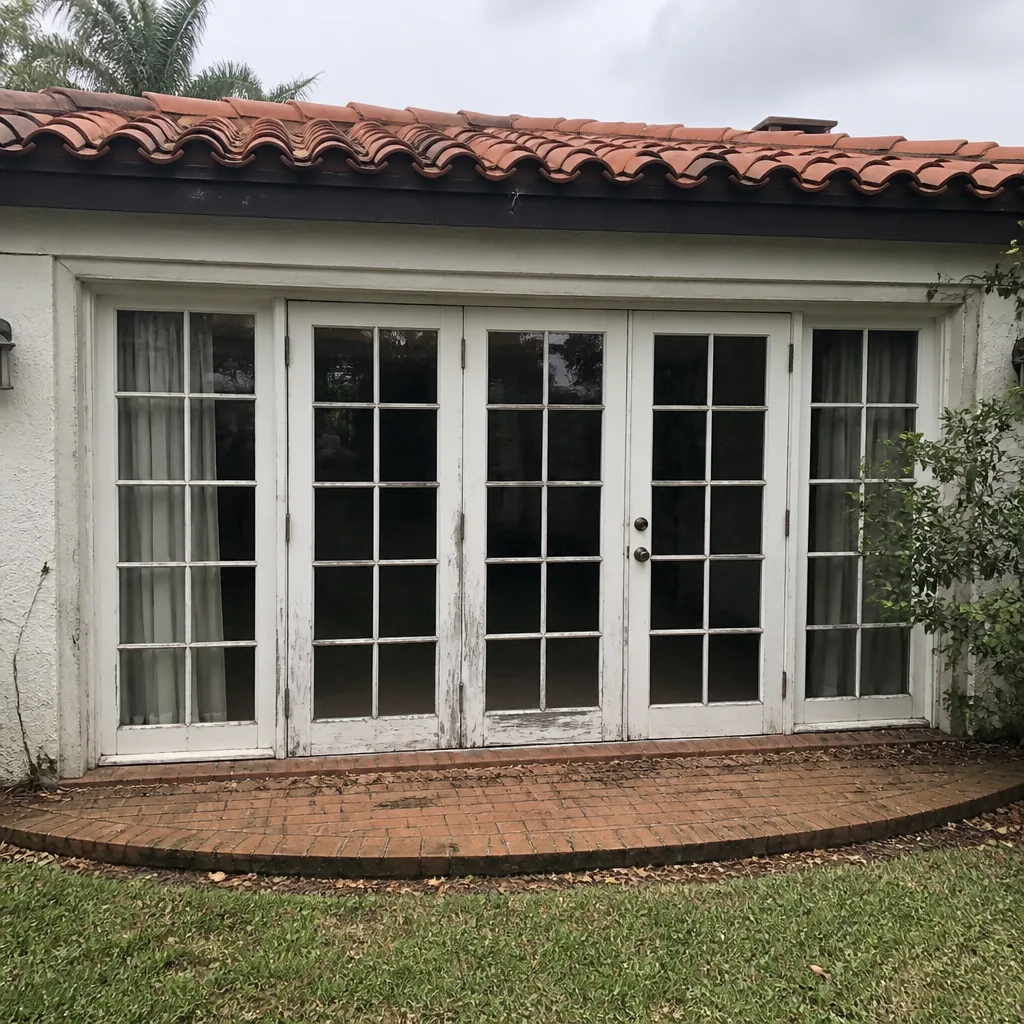
For a 1930s masonry home with deep wall reveals and original steel casements, the fix often lands on custom aluminum windows that mimic the slender sightlines while carrying modern low-E glass and an NOA. The wall opening depths require careful measurement, and the glass is ordered to fit a non-standard size, so these are not off-the-shelf box-store units. That’s work we’ve done in the neighborhoods between Miracle Mile and the Granada district, and the difference shows at the first July electric bill and the next window inspection.
A subset of fabricators build exactly this kind of unit. We’ve ordered low-E custom profiles from ES Windows, ECO Window Systems, and Mr-Glass for Coral Gables jobs because their standard frames, or their willingness to modify them, hold up through the Board’s review where mass-market lines often don’t.
Cost Ranges in Coral Gables for Low-E Glass Work
Homeowners ask us for numbers before they ask us to schedule. Fair enough. A square deal means knowing the range before the ladder goes up.
- Full-frame replacement, custom aluminum, low-E impact glass: $1,600-$2,900 per opening, installed and permitted.
- Insert replacement into existing sound frames, low-E non-impact glass: $700-$1,400 per opening.
- Sealed-unit-only replacement (new low-E glass in an existing sash): $350-$800 per pane, depending on size and shape.
- Arched or fixed specialty low-E units for Mediterranean Revival openings: $950-$2,200 per opening.
These ranges reflect what we’ve installed in Coral Gables, where the Board’s review adds a step most nearby municipalities don’t require. Glass thickness, annealed versus heat-strengthened laminate, frame material, and access all move the number. The estimate we give is written, includes the permit and the warranty registrations, and doesn’t change because the attic access was tight.
How to Compare Low-E Glass Before You Buy
Lots of window people can talk about coatings. Most of that talk won’t help you choose. Here’s the comparison that matters in Coral Gables.
Ask about the Low-E surface number. There are two common positions: surface two (the inside face of the outer pane) and surface three (the outside face of the inner pane). In our climate, surface two handles solar heat; surface three adds a little winter comfort at a slight cost in light. If you’re running air conditioning nine months a year, surface two matters most.
Ask about the inert-gas fill. Argon or krypton fills slow heat transfer between the panes. Argon is standard and does the job here. Krypton buys a modest improvement at a steep cost and matters more in northern cold climates, so a krypton upsell in Coral Gables is rarely money well spent.
Ask what the frame is made of. A low-E glass package set in a heat-conducting aluminum frame loses part of its benefit. Marine-grade thermally broken aluminum adds cost and lasts decades in salt air without pitting. If the frame isn’t specified for a coastal HVHZ environment, the glass is carrying the frame’s weakness.
Low-E Glass and Whole-House Energy Performance
The right coating helps, but it works best when the rest of the opening is built to match. We’ve measured windows in 1930s Mediterranean Revival homes where the original bronze hardware was in good shape, but the frame had shifted out of square over nine decades and air moved around the sash. Put low-E glass in an opening that leaks air around the edges and you’re still losing conditioned air, just through a better-looking leak.
This is where TruePane’s Energy-Efficient Windows work starts to matter in Coral Gables. We look at the whole opening before quoting the glass: reveal depth, framing material behind the stucco, how the sill drains, what the Board of Architects is likely to care about. Dale Kessler grew up around the Miracle Mile watching his father re-glaze storefronts and noticed early that the jobs that held up were the ones measured carefully and set true, not the ones rushed through with a bigger caulk bead. That habit carries into every window we quote.
We note it because a low-E upgrade was occasionally the wrong call. On a 1920s cottage with single-glazed steel casements and thick masonry walls, the original windows, restored and re-glazed with new weatherstripping, sometimes outperform a hasty replacement installed out of square in a rush. State the comparison on paper, and the homeowner can see what they’re buying. We show manufacturer lines side by side; the numbers settle the argument.
FAQs
So long as the house runs air conditioning most of the year, yes. The added expense, typically $100 to $300 per window over clear double-pane glass, typically pays for itself within several years here through reduced cooling load. Let a local pro show you the math for your specific windows, call (954) 507-3613 for help computing it.
One of the standard low-E coatings filters most of the sun’s UV radiation before it reaches your fabrics and floors, which is valuable in Coral Gables where south and west exposures can fade upholstery within a few seasons. That protection is a secondary benefit, not a replacement for treating delicate textiles.
You can reduce heat gain by applying a slightly reflective window film to the inside face of existing glass, which may carry a modest emissivity benefit but remains distinct from factory-baked low-E glass. When in doubt, we can inspect whether your existing windows make a stronger case for film, seal repair, or replacement.
Low-E glass cleans like regular glass using a soft cloth and a mild soap-and-water solution, because the coating is sealed inside the glazing unit rather than exposed on the room-side surface where it could be scratched by standard cleaning. If the glass is hazy between the panes, the seal has failed and cleaning won’t correct it, so contact TruePane to assess the seal.
If you’d rather have it looked at, TruePane Windows & Doors offers a no-pressure assessment in Coral Gables, call (954) 507-3613.
Written by Dale Kessler, Owner, TruePane Windows & Doors at TruePane Windows & Doors, serving Coral Gables, FL.
Six Reasons Homeowners Choose TruePane Windows & Doors
Impact systems engineered to design pressures up to +/-100, matched to your wind zone - your openings hold when the storm arrives.
Low-E insulated impact glass from our manufacturer lines commonly cuts monthly cooling bills 20-30%.
Laminated impact glass shuts out up to 40% of outside noise - traffic, neighbors, weather.
Monitoring services run $30-90 a month. Laminated impact glass resists forced entry around the clock, with no subscription.
Florida homeowners average around 25% savings on the windstorm portion of their policy after protecting every opening - some homes qualify for more.
A full impact package upgrades curb appeal, buyer confidence and appraised value in one project.