
Free in-home measure and quote - PGT, CGI and CWS impact lines compared on your actual openings, style by style
Sliding glass doors
Impact garage doorsPGTCGI
 Before
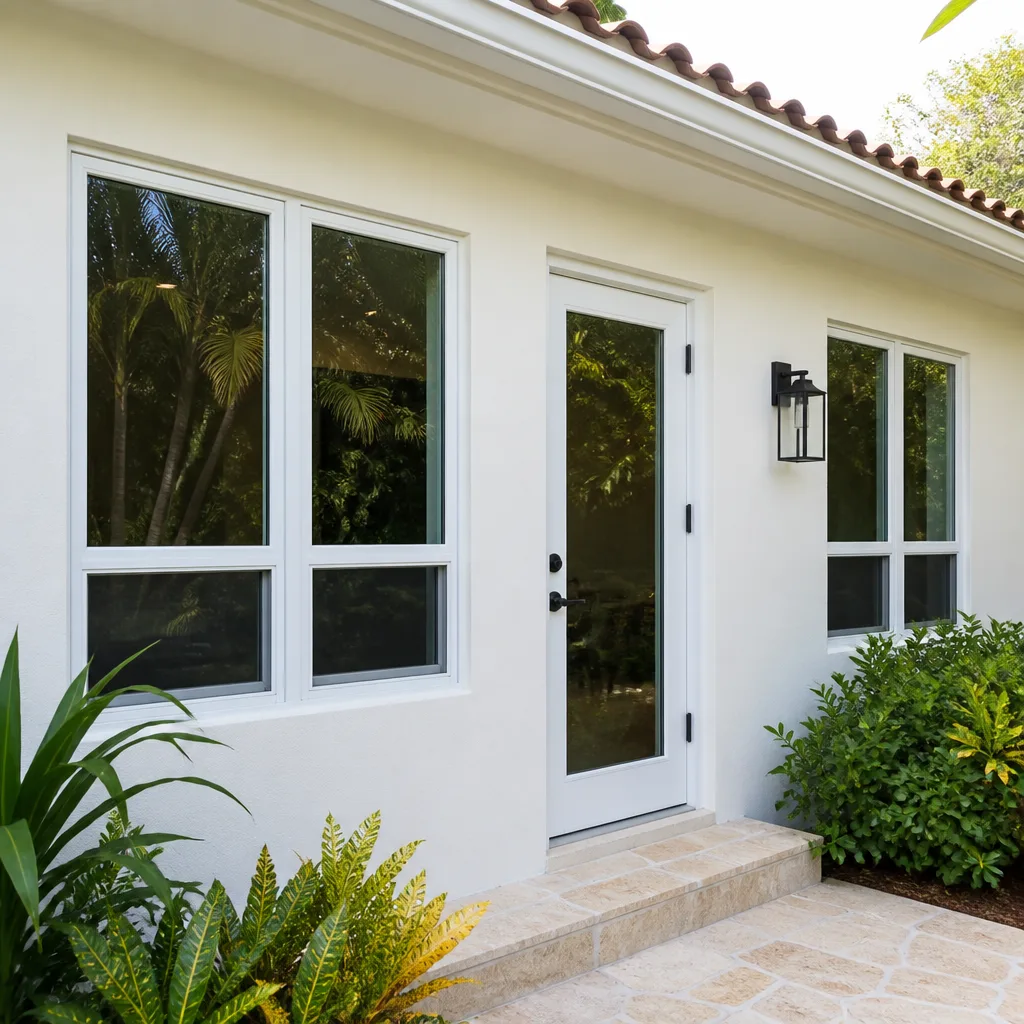 After
After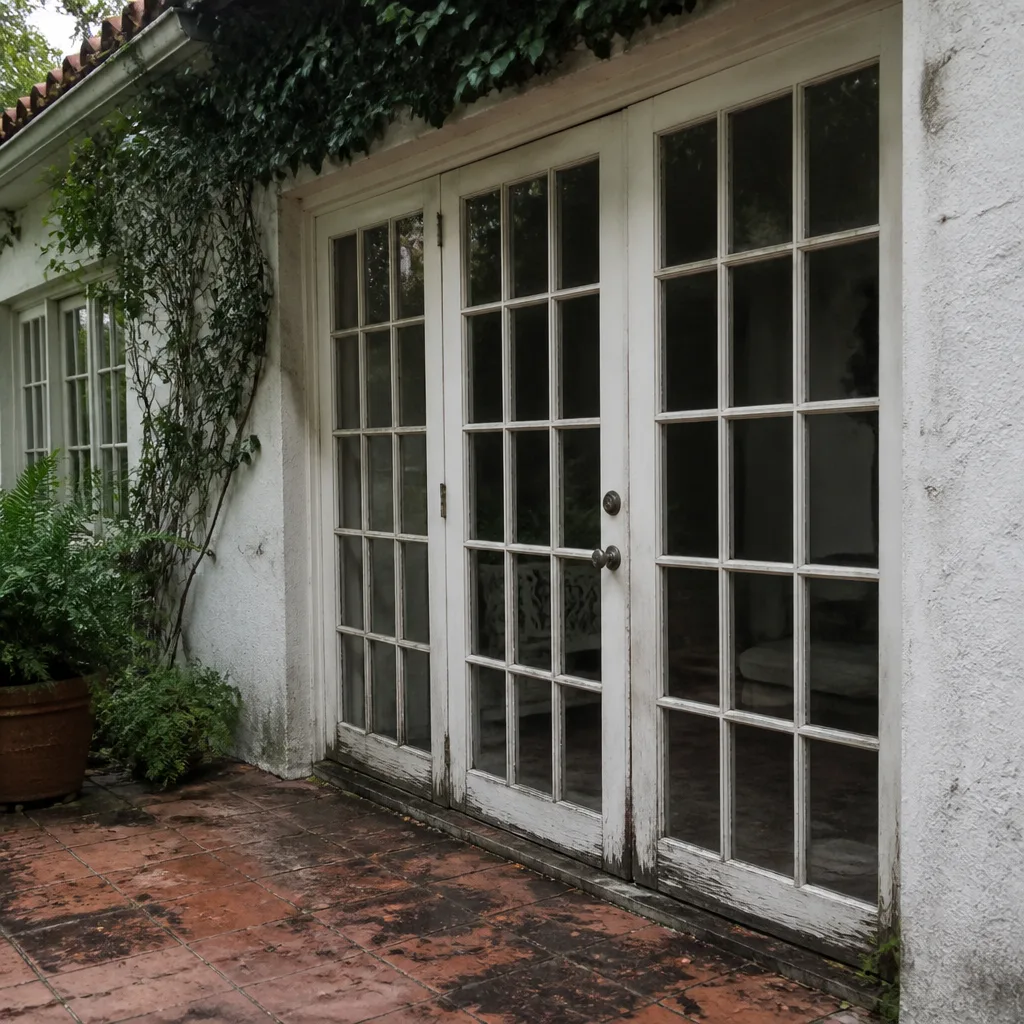 Before
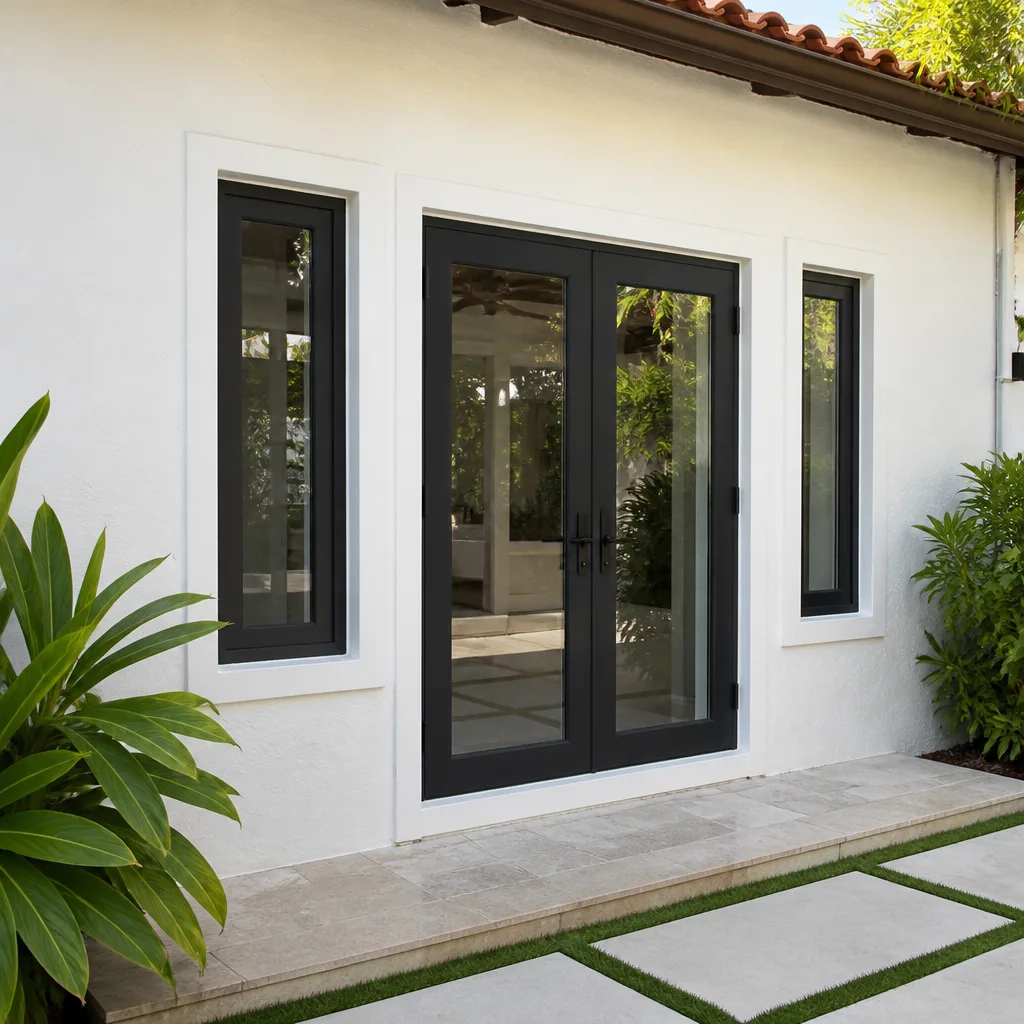 After
After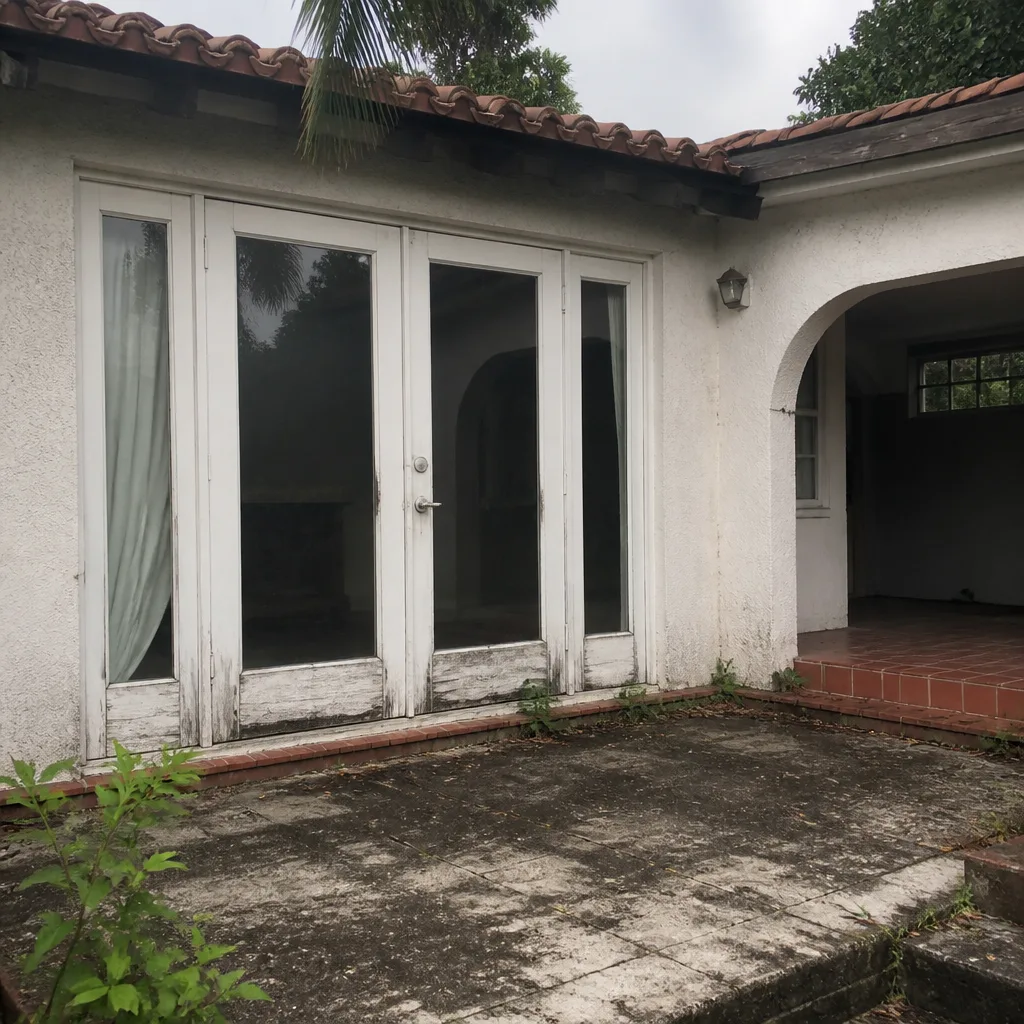 Before
 After
AfterWindow Design Pressure Ratings in Coral Gables: What the Numbers Actually Mean
A window design pressure (DP) rating tells you how much wind force, measured in pounds per square foot (psf), a window can withstand before it fails structurally. In Coral Gables, where Miami-Dade High-Velocity Hurricane Zone (HVHZ) rules apply, you’ll almost always need windows rated at DP 50 or higher, and the specific number your home requires depends on your exact location, building height, and wall exposure. A window with a DP 70 rating has been tested to survive sustained winds near 165 mph with gusts pushing harder, though the real-world number varies by size and configuration. If you’re replacing windows anywhere in Coral Gables, understanding this rating isn’t optional reading; it’s the number that decides whether your permit gets approved and whether your glass holds when the next storm tracks through Biscayne Bay. Call us at (954) 507-3613 and we’ll explain exactly which rating your specific home needs.
What a DP Rating Is and Is Not
Most homeowners see “DP 50” stamped on a window spec sheet and assume it means the window survives 50 mph winds. That’s not how it works. A DP 50 window handles wind pressure equivalent to roughly 130 mph gusts under Miami-Dade testing protocols. The DP number represents pressure in pounds per square foot, not miles per hour, and the conversion isn’t linear. A DP 70 window, common in Coral Gables high-exposure zones, corresponds to roughly 170 mph wind conditions.
Here’s the breakdown we give every homeowner in Coral Gables before they sign a window order:
- DP 40: Minimum for most inland Florida homes, rarely acceptable in Coral Gables except for small, protected window openings far from the coast.
- DP 50: Standard for many Coral Gables single-family homes on interior lots, especially first-floor windows with limited wind exposure.
- DP 60: Required frequently for second-story windows, corner lots, and homes closer to Biscayne Bay where wind accelerates over open water.
- DP 70+: Common for high-exposure gable ends, large picture windows, and any opening within a short distance of the bay front. Some manufacturer lines we install, including CGI and ES Windows, offer elevated DP ratings as standard rather than upgrade pricing.
Dale Kessler, owner of TruePane Windows & Doors, learned to read DP requirements from his father’s shop table before he carried a caulk gun unsupervised. We don’t guess at these numbers. We pull your property’s specific wind load requirements from Miami-Dade’s prescriptive methods before we quote a single unit.
Why Coral Gables Makes DP Ratings More Complicated Than Anywhere Else in Florida
Coral Gables sits inside the strictest hurricane glazing zone in the United States. Every exterior window or door must carry a Miami-Dade Notice of Acceptance (NOA), which certifies the specific window model, size, and configuration passed HVHZ testing. That’s the county requirement. But Coral Gables adds a second layer most homeowners don’t discover until their permit stalls: the Board of Architects.
Here’s the practical effect we see on job sites throughout the Gables. A homeowner selects a fully NOA-certified impact window with a DP 60 rating. The permit goes in. The Board of Architects reviews it and rejects the window because the frame profile is too wide for the home’s original Mediterranean Revival character, or the muntin pattern doesn’t match the 1930s steel casement look the street is known for. Now the homeowner has a code-compliant window that cannot be installed, and they’re back at the showroom looking for a narrower-profile unit that still meets the same wind rating.
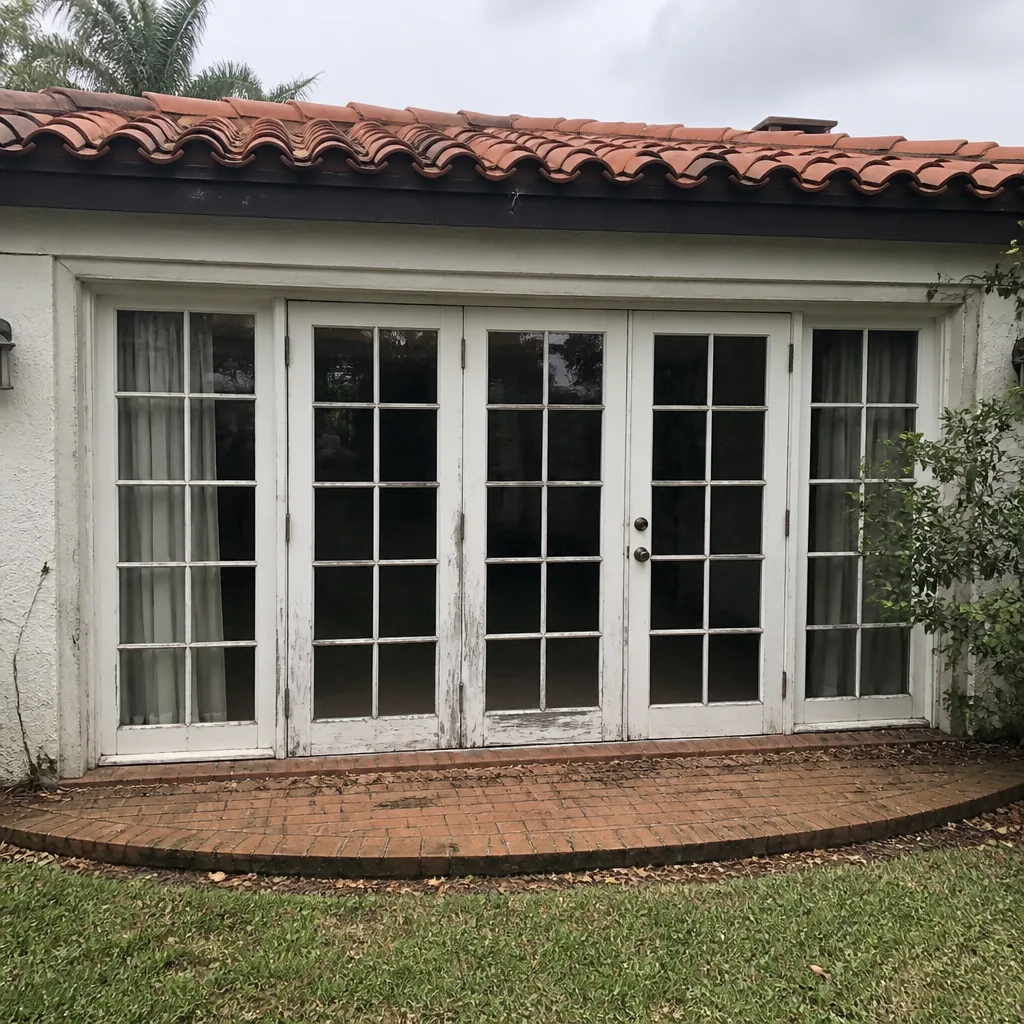
This happens often enough that we treat Board of Architects review as the first step on every Coral Gables job, not a formality afterward. The dominant housing stock here is 1920s-1940s masonry: concrete block, coral rock, and stucco with deep window reveals and arched openings. Those thick walls create non-standard rough opening depths. A standard impact window frame may not seat properly without custom depth extensions, and swapping a wood double-hung for a modern aluminum casement changes how the building reads from the street. The DP rating doesn’t change because the architect says no; you need a unit that satisfies both the wind load math and the architectural review, and not every manufacturer builds windows that do both well.
How Design Pressure Testing Actually Works
Window manufacturers don’t just claim a DP number. Each window line gets tested in a laboratory under controlled pressure. The test mounts the window in a wall assembly, seals it, then applies positive and negative pressure cycles. The window must hold at 1.5 times its design pressure for at least 10 seconds without structural failure, which is the safety factor built into the code. A DP 50 window gets tested to 75 psf during that brief hold.
Then comes the water test. At a fraction of the DP rating, the lab sprays water at the window while maintaining pressure. If water penetrates the interior plane, the window fails regardless of its structural numbers. In Coral Gables, where salt air has been corroding window seals and hardware for decades before any hurricane arrives, that water resistance matters more than the structural rating for day-to-day performance. A window that handles DP 60 structural load but leaks at DP 15 under wind-driven rain will fail in this climate within a few seasons.
Biscayne Bay’s proximity adds real consequence to seal selection and frame material. Marine-grade aluminum finishes and proper thermal breaks aren’t upsell items here; they’re the difference between hardware that functions in five years and hardware that seizes in two. We’ve pulled out more than a few windows in the Biltmore and Hammock areas that were code-rated on paper but failing in the field due to material choices that ignored salt air reality. If you’re replacing original steel casements or wood windows, material selection matters as much as the DP number printed on the sticker.
What DP Rating Your Coral Gables Home Likely Needs
The quick reference below covers common scenarios in Coral Gables, though we always verify against current Miami-Dade wind load maps before ordering. Your home’s exact roof height, wall orientation, and yard exposure move these numbers up or down:
| Home Condition | Common Minimum DP Rating | Notes |
|---|---|---|
| Single-story, interior lot, protected walls | DP 40-50 | Lowest common rating in Coral Gables; rarely applies on bay-facing streets. |
| Single-story, corner lot, moderate exposure | DP 50-60 | Corner homes catch wind from two directions simultaneously. |
| Two-story, gable ends, open lot | DP 60-70 | Upper-floor windows experience higher wind speeds than ground level. |
| Within one mile of Biscayne Bay | DP 70+ | Wind accelerates over open water; salt air demands marine-grade finishes. |
These are starting points, not final answers. A deep front yard and a full mature oak canopy can meaningfully reduce wind exposure on the north wall. A second-story bedroom window facing an open golf course can require more than the chart suggests. That’s where our side-by-side quotes help: we show you the exact DP rating, the NOA number, and the manufacturer’s warranty terms on paper for each option, so you’re comparing windows, not trusting a verbal estimate.
One thing we tell every Coral Gables homeowner: the DP rating matters only if the window is installed plumb, sealed correctly, and seated in an opening that hasn’t been compromised by forty years of stucco patching and salt air. A DP 70 window installed out of true will tear its own anchors in a storm. Our technicians measure every aperture twice, shim to manufacturer spec, and run a water test before cleanup. That’s the standard that earned us a place on this block for over 20 years, and it’s the same standard we apply whether we’re replacing one bathroom window or every opening on the house. It’s also why we recommend a direct look at our Impact Windows & Doors in Coral Gables work, which shows exactly how we handle the architectural review and HVHZ paperwork, and why we always recommend starting with a call to our office rather than an online form.
The Keystone Standard we work under is straightforward: both manufacturer warranty layers registered in writing before our truck leaves the driveway, durations stated on the invoice, and our Done Right Promise covering the labor. If a window sags, binds, or leaks within that window, we fix it without arguing. If the pane is not true, the job is not done. For years of community service, that rule has been our entire warranty philosophy, and it applies just as squarely to a $400 bathroom window as it does to a full-house impact package.
FAQs
A DP rating tells you the maximum uniform wind pressure, in pounds per square foot, that a window can withstand before structural failure, and in Coral Gables it’s the primary number Miami-Dade uses to issue your permit. The rating also flows from the specific window size and configuration, so a DP 50 rating on a 3-foot by 5-foot window doesn’t automatically apply to a 6-foot by 6-foot version of the same model. Call (954) 507-3613 and we’ll confirm the exact DP your home’s wind load calculation requires.
In Coral Gables you need Miami-Dade NOA-approved impact windows or an approved shutter system regardless of DP rating, because HVHZ rules require impact protection on every exterior opening. The DP rating and the impact rating are separate tests; a window can have a high DP number but still fail the large-missile impact test if it’s not specifically built as an impact unit. We install impact-rated windows from CGI, ES Windows, and ECO Window Systems that carry both, and we’ll explain which combination fits your home and your Board of Architects review.
A window with a high DP rating can still fail if it’s installed incorrectly, if the wall opening has deteriorated from salt air, or if the seals and hardware have corroded due to years of Biscayne Bay exposure. The rating measures laboratory performance, not installation quality; a window set out of plumb or anchored into crumbling stucco won’t hold its design pressure when the storm actually loads it. That’s why our crew measures every opening twice and water-tests the finished install before we call the job done.
Homes within one mile of Biscayne Bay in Coral Gables typically require DP 60 to DP 70+ windows depending on wall exposure, roof height, and yard shielding, with the highest numbers applying to gable ends, second stories, and openings facing open water. Salt air corrosion also makes marine-grade aluminum frames and stainless hardware a practical necessity, not an optional upgrade, even if the code minimum DP is technically lower. We can pull your specific wind load requirement from Miami-Dade records before you commit to a quote.
If you’d rather have the numbers explained in person, TruePane Windows & Doors offers a no-pressure assessment in Coral Gables, including the DP rating your specific home needs without guessing. Call (954) 507-3613 for a free estimate. If it is not in writing, it is not a guarantee, it is just a conversation. We’ll put yours on paper. And while you’re at it, if you are planning a larger exterior project, our home page covers the full range of services we bring to this community, from impact-rated replacements to custom window fabrication for historic Mediterranean Revival houses.
Written by Dale Kessler, Owner, TruePane Windows & Doors at TruePane Windows & Doors, serving Coral Gables, FL.
Six Reasons Homeowners Choose TruePane Windows & Doors
Impact systems engineered to design pressures up to +/-100, matched to your wind zone - your openings hold when the storm arrives.
Low-E insulated impact glass from our manufacturer lines commonly cuts monthly cooling bills 20-30%.
Laminated impact glass shuts out up to 40% of outside noise - traffic, neighbors, weather.
Monitoring services run $30-90 a month. Laminated impact glass resists forced entry around the clock, with no subscription.
Florida homeowners average around 25% savings on the windstorm portion of their policy after protecting every opening - some homes qualify for more.
A full impact package upgrades curb appeal, buyer confidence and appraised value in one project.